

Adobo is the easy part. Figuring out what goes next to it is where I stall.
Chicken adobo is salty, tangy, garlicky, and heavy on sauce, so the sides have to do a specific job: soak it up, cut through it, or reset your palate between bites. Get that right and the plate works. Get it wrong and everything tastes like soy sauce.
I'm Filipino, and adobo is my comfort food. Below are 21+ sides I actually put on the table, sorted by rice and starches, vegetables, proteins, sweet contrasts, and desserts.
These work with any adobo, whether you're making chicken adobo, beef adobo, adobong gulay, or pork pata humba, the sweeter Visayan braise.

Save This Recipe 💌
Jump to:
- Quick Answer: The 5 Best Sides for Chicken Adobo
- What Pairs Well with Adobo
- What Is Chicken Adobo?
- Rice and Starches
- Vegetable Sides
- Protein Add-Ons
- Sweet and Tangy Sides
- Filipino Desserts to Finish
- Build Your Adobo Plate
- Filipino Chicken Adobo with Kecap Manis
- Recipe FAQs
- More Adobo Recipes
- What did you serve with yours?
Quick Answer: The 5 Best Sides for Chicken Adobo
If you only make one or two, make these.
- Garlic fried rice (sinangag): The sauce needs somewhere to go, and garlicky day-old rice takes it better than plain steamed rice does.
- Atchara: Pickled green papaya, sharp and cold. It resets your palate between bites and it is the side most Filipino tables have next to adobo.
- Ensaladang talong: Charred eggplant with tomato and onion. Smoky and tangy, which keeps the plate from going one-note salty.
- Ginisang togue: Sautéed bean sprouts, ten minutes start to finish. Crunch against soft, saucy chicken.
- Fried saba: Sweet caramelized plantains. The sweetness cuts the vinegar in a way vegetables cannot.
The full list runs 21+ sides below, grouped into rice and starches, vegetables, proteins, sweet contrasts, and desserts. There is also a meal planning section at the end with four ready-made plates.
What Pairs Well with Adobo
Adobo is salty, sour, and rich all at once, and it comes coated in sauce. Sides that try to match that intensity get lost. Sides that contrast it make the whole plate work.
Four things to balance:
- Starch, to carry the sauce. This is the one you cannot skip. Adobo makes more sauce than you need for the meat itself, and rice is what gets the rest of it to your mouth. Garlic fried rice, steamed jasmine, pancit, even mashed potatoes if that is what is in the kitchen.
- Acid or pickle, to cut the richness. Atchara, pipino salad, anything with vinegar in it. Adobo already has vinegar, but it is cooked down and mellow. Raw, cold acid does something different and it wakes the plate back up.
- Sweetness, to soften the salt. Fried saba, sweet potato, mango. A little sweet next to all that soy sauce keeps the salt from flattening everything, which is also why so many Filipino meals end with something sweet.
- Crunch or freshness, for texture. Adobo is soft and saucy from edge to edge. Bean sprouts, cucumber, fresh tomato, anything with bite gives you a break from the softness.
What Is Chicken Adobo?
Chicken adobo is the national dish of the Philippines: chicken braised in soy sauce, vinegar, garlic, and black peppercorns until it falls off the bone, then coated in the reduced sauce. Cooking meat in vinegar predates Spanish colonization, which is why adobo keeps for days and tastes better the next morning.
Every family makes it differently. Some add coconut milk, some finish it under the broiler for crisp skin, some use pork or vegetables instead. The base stays the same. If you need the recipe itself, here is my chicken adobo, and the full adobo collection has the variations.
Rice and Starches
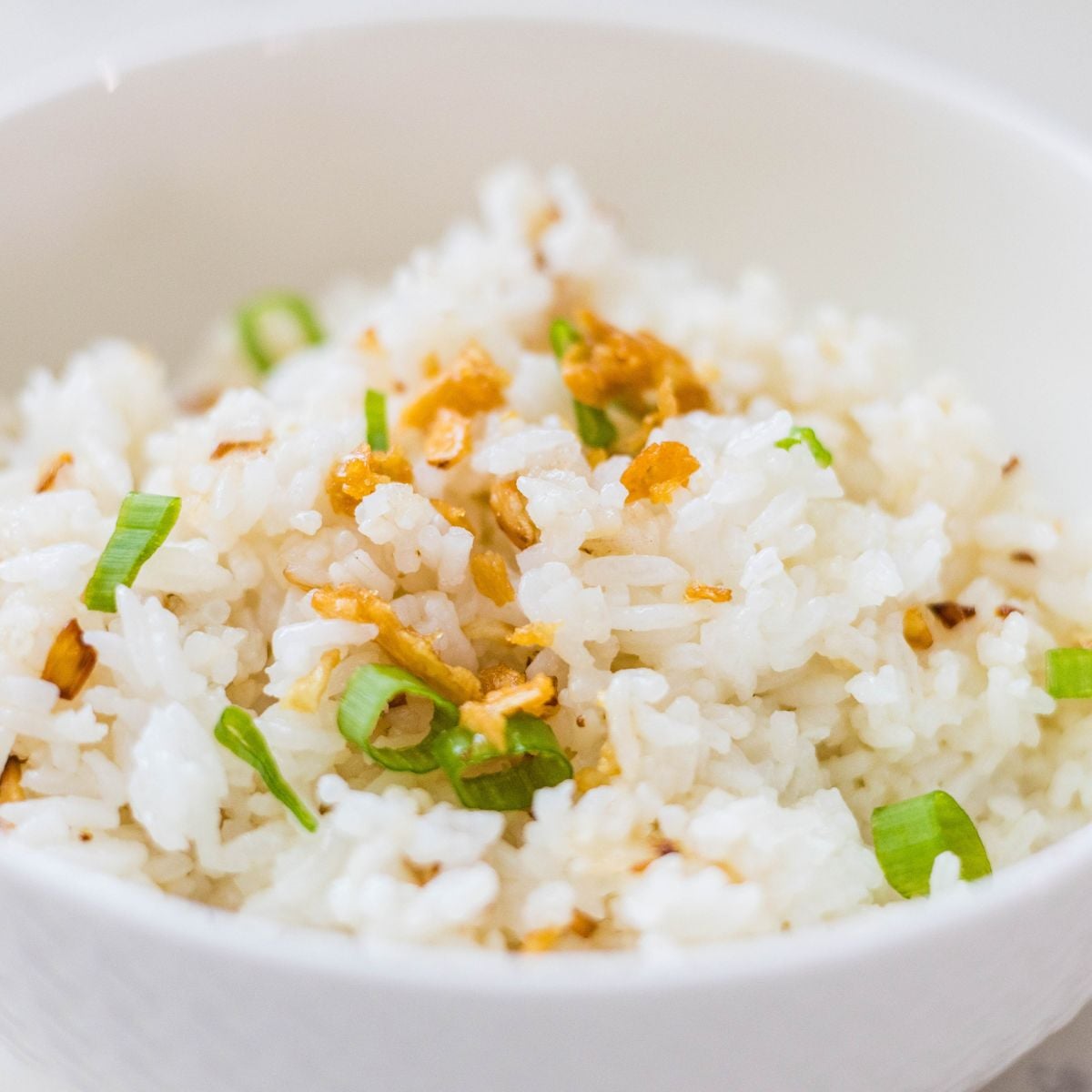
Garlic Fried Rice
The default adobo pairing for a reason. Garlic fried rice is made with day-old rice and a lot of garlic, and the dry, separated grains take on sauce better than fresh rice does. Fresh rice is too wet and goes mushy under adobo sauce. If you have leftover rice in the fridge, this takes about ten minutes.
Steamed Jasmine Rice
The version most people actually make on a weeknight, and there is nothing wrong with it. Jasmine rice is soft and slightly floral, which stays out of the way and lets the adobo do the talking. Make more than you think you need. The sauce is the reason.

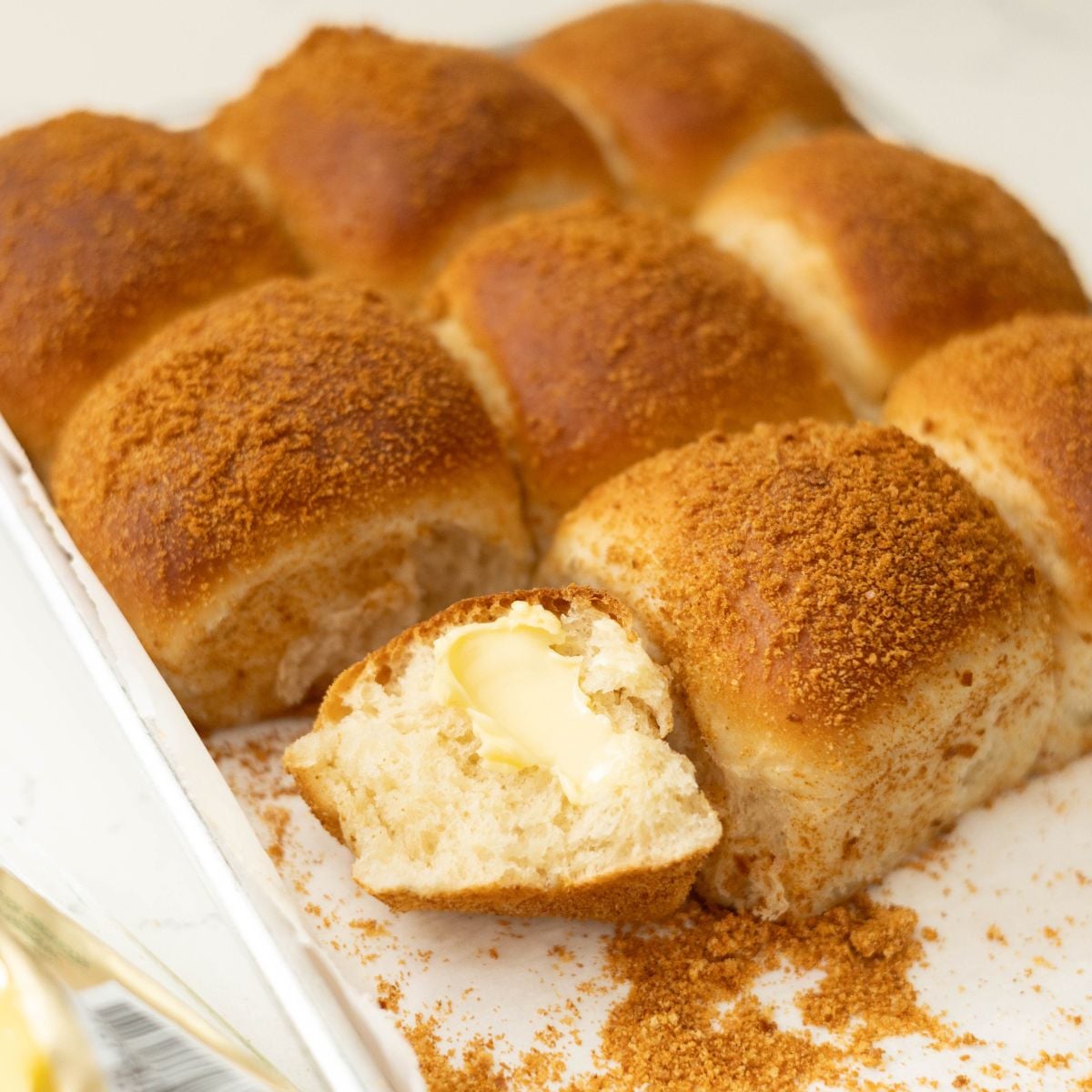
Pandesal
Pandesal is soft, faintly sweet, and useful for the same reason rice is: it mops sauce. Serve it for a lunch spread rather than a full dinner, or put it out the next morning with leftover adobo, which is how it usually goes in my house.
Sweet Potato Fries
Not traditional, but the sweetness works against the soy and vinegar the same way fried saba does. Air fryer sweet potato wedges take about 20 minutes and give you something crisp on a plate that is otherwise all soft. Banana ketchup on the side if you have it.

Macaroni Salad
Cold, creamy, and slightly sweet, Filipino macaroni salad does something no hot side can. The mayonnaise and pineapple cut straight through salty adobo, and it comes out of the fridge ready. Make it the day before and it is one less thing to cook.

Pancit
Pancit alongside rice is standard at any Filipino gathering, and it is not as redundant as it sounds. The noodles come seasoned and full of vegetables, so they read as a separate dish rather than a second starch. Good when you are feeding a crowd and need the table to look like an occasion.

Vegetable Sides
Atchara
If you make one side, make this one. Atchara is green papaya pickled with carrot, ginger, and bell pepper in sweetened vinegar, served cold. Sharp and crunchy against soft, salty adobo, and it keeps for weeks in the fridge, so one batch covers a month of dinners.

Green Beans
Garlic green beans are the low-effort hot vegetable on this list. Blistered in a hot pan with garlic, done in ten minutes, and they hold up next to a heavy main. Bok choy cooked the same way works if that is what you have.

Gising-Gising
Gising-gising is chopped green beans in coconut milk with chilies, and it is the one side here that pushes back. The coconut milk softens the heat and the richness stands up to adobo instead of hiding from it. Use it when you want the plate to have some heat in it.

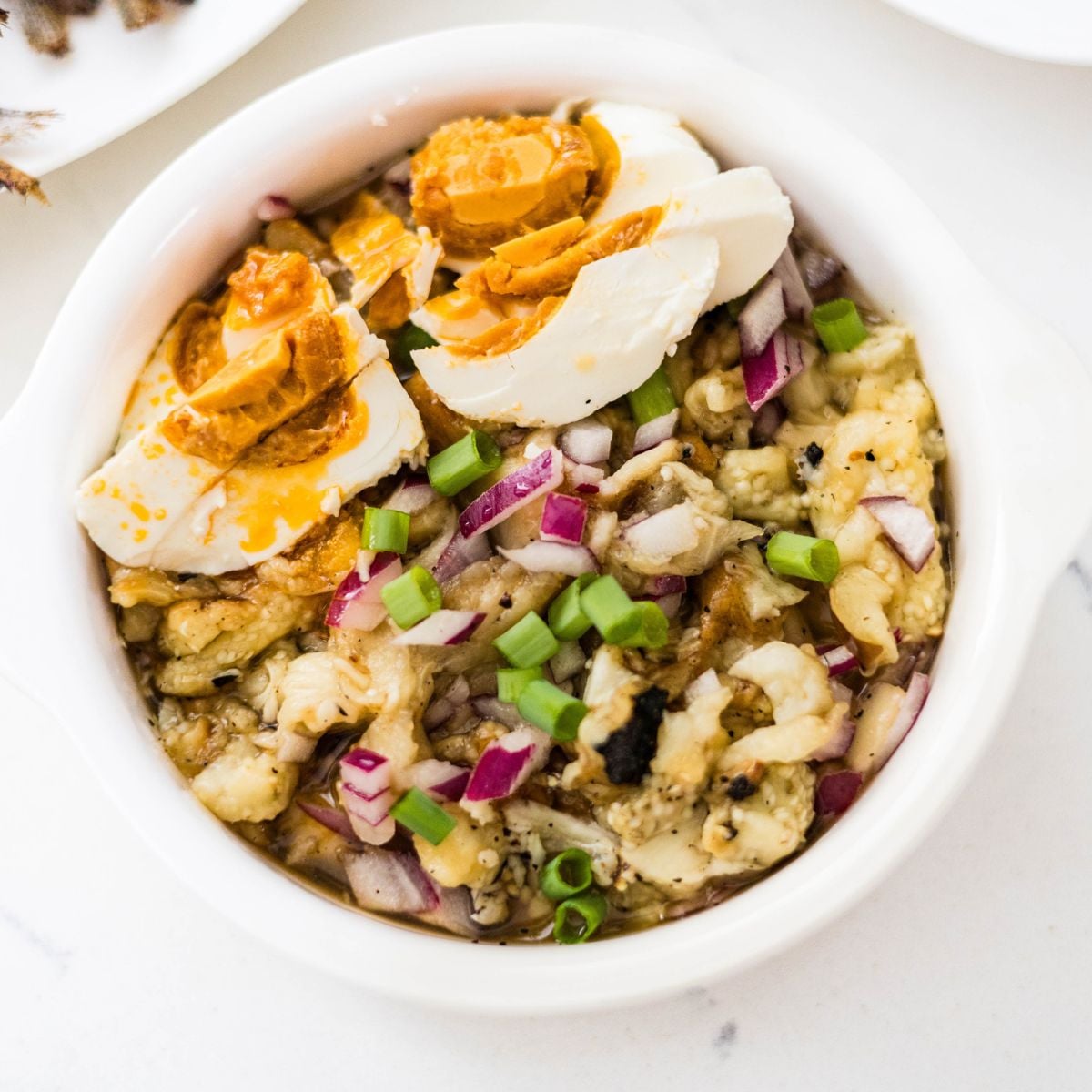
Ensaladang Talong
Ensaladang talong is grilled eggplant with tomato, onion, and vinegar. The char is what makes it work here. Smoke plus acid against a braise is a better contrast than a plain raw salad gives you, and it costs about a dollar to make.
Pipino Salad
Cucumber, onion, vinegar, a pinch of sugar. Pipino salad takes ten minutes and requires no cooking, which matters when the adobo already has the stove. Cold and crisp, and it does the same job as atchara when you have not made atchara.

Kangkong with Garlic
Water spinach sautéed hard in garlic and a splash of oyster sauce. The stems stay crunchy while the leaves go silky, so you get two textures from one vegetable. Kangkong shows up at most Asian markets, and it cooks in under five minutes.

Ginisang Togue
Sautéed bean sprouts with garlic, onion, and a little carrot. Fast, cheap, and it stretches a small batch of adobo into a full meal. Cook the sprouts briefly so they keep their snap, since limp togue next to soft chicken gives you nothing to bite against.

Protein Add-Ons
Boiled Eggs
The most common addition to adobo in Filipino homes, and usually cooked right in the pot. Drop peeled boiled eggs into the sauce for the last ten minutes and they take on the color and the salt. If you like a jammy yolk, cook them separately and add them at the table instead, since the braise will take them past that point.

Longganisa
Sweet, garlicky chicken longganisa next to adobo is a silog-style plate, and it works because the sausage is sweet where the adobo is sour. This is a weekend breakfast move more than a dinner one. Adobo, longganisa, garlic rice, and a fried egg is a full Filipino breakfast spread.

Tofu Sisig
Tofu sisig gives you crisp fried tofu with onion, chili, and calamansi, so it brings crunch and acid at the same time. It also gives vegetarians something substantial on a table built around chicken, which is the practical reason it earns a spot here.

Sipo Eggs
Sipo eggs are quail eggs and shrimp in a creamy vegetable sauce, and they are a party dish rather than a Tuesday one. Creamy against salty is a good contrast, and it is the side that makes a spread look like an occasion. Worth the effort when people are coming over.

Sweet and Tangy Sides
Mango Salsa
Ripe mango, cucumber, and red onion in calamansi juice and fish sauce. Mango salsa brings sweet and sour at the same time, so it covers two of the four balancing jobs in one bowl. Use mangoes that are ripe but still firm, since soft ones fall apart in the dressing.

Fried Saba
Sliced saba plantains fried until the edges caramelize. Fried saba is the sweetest thing on the savory half of this list, and the caramelized sugar is what makes it work against soy sauce in a way fresh fruit cannot. Use saba if you can find them, since regular bananas turn to mush in the pan.

Filipino Desserts to Finish
Ube Halaya
Ube halaya is purple yam cooked down with coconut milk and condensed milk into a thick, spoonable jam. Rich and mellow rather than sharply sweet, which is what you want after a salty meal. Make it ahead, since it needs to chill and it keeps for a week.

Mango Sago
Ripe mango, tapioca pearls, and sweetened cream, served cold. Mango sago is the one I make when it is hot out and nobody wants anything heavy. Portion it into jars the day before and dessert is handled before the adobo goes on the stove.

Banana Shaved Ice
Sweetened saba over crushed ice with condensed milk. Banana con yelo is halo-halo stripped down to two ingredients, so it takes minutes instead of an afternoon. Cold and light, which is the right ending after a plate of braised chicken and rice.

Sweetened Avocado
Avocado mashed with milk and sugar, sometimes over ice. Sweetened avocado surprises people who have only had it in guacamole, and it is the easiest dessert here: no cooking, three ingredients, five minutes. Use avocados that are fully ripe or it turns out bland.

Taho
Silken tofu with brown sugar syrup and tapioca pearls, served warm. Taho is a morning street food in the Philippines rather than a dinner dessert, so it fits better after a lunch spread than a late one. Light enough that it does not sit heavy on top of adobo.

Turon
Banana and jackfruit rolled in a lumpia wrapper, fried, and glazed with caramelized sugar. Ube turon swaps in purple yam for the jackfruit. Either way it is crisp, hot, and sweet, and it is the dessert that gets made when someone is celebrating something.

Build Your Adobo Plate
Weeknight, 50 Minutes
Chicken adobo, steamed jasmine rice, and garlic green beans. The adobo simmers while the rice cooks, and the green beans take ten minutes at the end. One starch, one vegetable, done.
Family Gathering, About 2 Hours
Chicken adobo, garlic fried rice, atchara, ensaladang talong, macaroni salad, and turon to finish.
Most of it is make-ahead. The atchara can be done weeks in advance, the macaroni salad the day before, and the eggplant grilled in the morning. That leaves the adobo, the rice, and frying the turon on the day.
Potluck
Cook the adobo the day before, since it tastes better after a night in the fridge and reheats without falling apart. Bring garlic fried rice and a jar of atchara alongside it.
Transport the adobo with its sauce, not drained. That sauce is what people are coming for and it keeps the chicken from drying out on the drive.
One Plate, Balanced
A cup of rice, two or three pieces of adobo with sauce spooned over, and something acidic on the side, either atchara or a quick pipino salad. Add a boiled egg if you want it heartier.

Filipino Chicken Adobo with Kecap Manis
Equipment
- 1 MIxing Bowl
- 1 medium pot or dutch oven
Ingredients
- 2 pounds boneless chicken thighs
- 8 cloves garlic, crushed
- ½ cup dark soy sauce
- ¼ cup kecap manis or sweet soy sauce
- 3 tablespoon oyster sauce
- 1 cup cane vinegar
- 1 teaspoon black peppercorns
- 6 pieces bay leaves
- 2 tablespoon cooking oil
- ½ cup water
- 1 tablespoon brown sugar optional
Instructions
- In a bowl, combine chicken, soy sauce, sweet soy sauce, oyster sauce, and garlic.2 pounds boneless chicken thighs , 8 cloves garlic, crushed, ½ cup dark soy sauce, ¼ cup kecap manis or sweet soy sauce, 3 tablespoon oyster sauce
- Let it marinate for at least 30 minutes. For better flavor absorption, marinate for a few hours or overnight in the refrigerator.
- Heat oil in a wide pan over medium heat.2 tablespoon cooking oil
- Add the chicken.2 pounds boneless chicken thighs
- Remove any excess liquid from the pan and set it aside. Allow the chicken to brown slightly on all sides.
- Pour in the mixture.
- Add water, peppercorn, vinegar, sugar and bay leaves then bring to a boil.1 cup cane vinegar, 1 teaspoon black peppercorns, 6 pieces bay leaves, ½ cup water, 1 tablespoon brown sugar
- Reduce heat to low, cover, and let it simmer for about 20 minutes or until the chicken is tender.
- Season with salt to achieve the desired balance of flavors.
- Once the chicken is cooked and the sauce has thickened, remove from heat.
- Serve Chicken Adobo hot over steamed rice.
Save This Recipe 💌
Notes
- You can use any part of the chicken for this dish. The cooking time may vary depending on your choice.
- Taste it first before adding salt. We used various soy sauce on this dish and it may already be salty enough.
- For a slightly caramelized finish, you can uncover the pan and increase the heat to medium-high during the last few minutes of cooking.
- Garnish with chopped green onions or fresh cilantro for a burst of freshness.
Recipe FAQs
Rice first, since adobo makes more sauce than the chicken needs and you want something to carry it. After that, pick one acidic side and one vegetable. Atchara, pipino salad, ensaladang talong, and ginisang togue are the four that show up most on Filipino tables. If you are feeding a crowd, add pancit and a cold macaroni salad.
Anything with crunch or acid. Ginisang togue, kangkong with garlic, and garlic green beans are the fast ones, all under fifteen minutes. Ensaladang talong and pipino salad need no cooking at all beyond charring the eggplant. Gising-gising is the option if you want heat, since the coconut milk and chilies stand up to the braise instead of getting lost in it.
Pancit, ube pandesal, macaroni salad, or sweet potato fries all work. You still want a starch of some kind, because the sauce needs somewhere to go, but it does not have to be rice. Pandesal in particular is good for a lunch spread, or the next morning with leftovers.
Yes, and it is better that way. The vinegar and soy sauce keep working overnight and the sauce thickens as it sits, so adobo cooked the day before tastes deeper than adobo cooked an hour ago. It also reheats without the chicken drying out, which makes it a solid potluck dish.
Something tart or cold. Calamansi juice is the obvious one, and lemon iced tea does the same job. A cold beer works for the same reason acid does, cutting through the salt and fat.
Yes. Adobong sitaw uses long beans in the same soy and vinegar braise, and adobong kangkong works the same way. Tofu sisig is the other option if you want something substantial on the table for vegetarians without cooking a separate main.
More Adobo Recipes
- Beef Adobo: Chuck simmered until it shreds. Heavier and slower than the chicken version, and the sauce comes out thicker for it.
- Chicken Liver Adobo: Adobong atay, done in about twenty minutes. Rich and slightly mineral, and it goes further than you expect over rice.
- Filipino Yellow Adobo: The turmeric version, which skips the soy sauce entirely. Lighter, tangier, and a good one to make when you want adobo that does not taste like the usual adobo.
- Adobong Sitaw: Long beans in the same braise, no meat needed. Fast enough for a weeknight and it doubles as a side dish for this list.




Rose Sioson says
Adobo is such a comfort food staple in our home, and I love how versatile it is with all kinds of side dishes. I hope you all enjoy this list just as much—let me know if you try any of these pairings!