

My mom usually makes this alongside something fried, or as the starchy side to giniling, similar to how arroz ala cubana gets served with fried plantains on the side.
Fried Saba Banana, known as pritong saba in the Philippines, is one of the easiest and most satisfying snacks you can make. It's not the same as banana cue or camote cue, which are coated in caramelized sugar, or turon, which gets wrapped in a spring roll wrapper, or minatamis na saging, which simmers in sweet syrup. Pritong saba skips all of that. Just ripe saba bananas, shallow-fried until golden. No batter, no sugar in the pan, no extra steps.
It's naturally sweet, crispy on the outside, and ready in under 15 minutes.

Save This Recipe 💌
Jump to:
What is Saba Banana?
Saba bananas are a type of cooking banana popular in the Philippines and Southeast Asia. They're shorter and stubbier than regular bananas, with thicker skin and firmer flesh.
When ripe, saba bananas are naturally sweeter and denser than Cavendish bananas (the ones you usually find at the grocery store). This makes them perfect for frying - they hold their shape in hot oil instead of turning to mush.
You might also see them labeled as cardaba bananas or Filipino plantains.
Why You'll Love This
- Quick and easy - Ready in under 15 minutes with just two ingredients
- Budget-friendly - Saba bananas are affordable and a little goes a long way
- Versatile - Works as a snack, dessert, or side dish
- Naturally sweet - No added sugar needed (unless you want it)
- Minimal cleanup - One pan, no batter, no mess
Ingredients

- Saba bananas: A type of banana that is sweeter and thicker than regular bananas when ripe.
- Cooking oil: Any neutral-flavored oil like vegetable or canola oil can be used for frying.
See recipe card for quantities.
Optional Additions
- Other Bananas: Use plantains if Saba bananas aren’t available.
- Brown Sugar: Sprinkle on top for caramelized sweetness.
- Butter: Fry in butter for a richer flavor.
- Cinnamon: Add a pinch for a warm, aromatic touch.
- Honey Drizzle: For added sweetness after frying.
- Shredded Coconut: Top for a tropical twist.
How to Make Fried Saba (Stovetop)
- Prepare the bananas: Peel the saba bananas and slice them into desired thickness. For a classic Filipino style, slice them diagonally into about 1-inch thick pieces.
- Heat the oil: Pour enough cooking oil into a deep pan to cover the banana slices. Heat the oil over medium heat until it reaches frying temperature.
- Fry the bananas: Carefully add the banana slices to the hot oil. Fry until golden brown on both sides. Be careful not to overcook, as the bananas can become too soft.
- Drain: Remove the fried saba from the oil and place them on a paper towel-lined plate to drain excess oil.
- Serve: Enjoy your sweet Fried Saba hot!

Air Fryer Fried Saba
Want a lighter version? The air fryer works great.
- Peel and slice saba bananas into 1-inch pieces.
- Lightly brush or spray with oil.
- Arrange in a single layer in the air fryer basket.
- Air fry at 375°F (190°C) for 8-10 minutes, flipping halfway through.
- They won't get quite as crispy as stovetop, but you'll use way less oil.
Variations and Toppings
- Caramelized Fried Bananas: Fry with a coating of brown sugar for a caramelized finish.
- Banana Fritters: Dip in batter before frying for a crispy coating.
- Cinnamon sugar: Mix cinnamon and sugar, dust over warm bananas
- Sweetened Condensed Milk: Drizzle on top for a creamy, sweet addition.
- Chocolate Drizzle: Top with melted chocolate for a decadent dessert.
- Cheese Topping: Sprinkle grated cheese for a sweet-and-savory combo.
- A la mode: Serve with a scoop of vanilla ice cream for an easy dessert
What to Serve With This
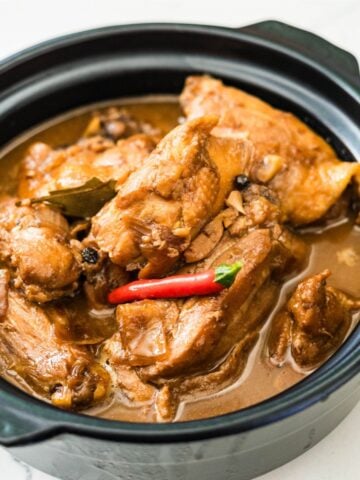
- Adobo: Works well two ways here. Classic chicken adobo gives you savory and tangy against the sweetness of the fried saba, or go with chicken adobo with pineapple if you want the sweetness on both sides of the plate instead of a contrast.
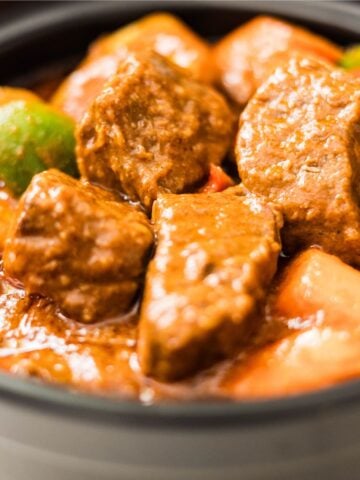
- Kare-kare: The peanut-based sauce of kare-kare offers a rich and creamy complement to the crispy saba.
- Rice: A simple serving of rice can be a classic accompaniment to fried saba.
- Vanilla Ice Cream: A scoop on the side makes it extra indulgent.
- Chocolate Syrup: Drizzle over for a rich, sweet pairing.
- Ube Halaya: Spread this purple yam jam for a unique Filipino pairing.
How to Store Leftovers
Honest truth: Fried saba is best eaten fresh. It softens as it cools, and reheating never quite brings back that crispy texture.
If you have leftovers, store them in an airtight container in the fridge for up to 2 days. Reheat in a toaster oven or air fryer at 350°F for a few minutes to crisp them up a bit.
But really, these usually disappear before storage is even a question.
Rose's Tips
- Use ripe but firm saba. This is the biggest factor for texture.
- Don't overcrowd the pan. Crowding drops the oil temperature and makes bananas soggy instead of crispy.
- Medium heat is your friend. Too high and the outside burns before the inside cooks. Too low and they absorb too much oil.
- Slice on a diagonal. More surface area means crispier edges.
- Drain on paper towels. Removes excess oil and keeps them from getting greasy.
- Serve immediately. Crispy edges don't last long.
Recipe FAQs
You can, but the texture will be different. Regular bananas are softer and sweeter, so they may fall apart more easily. Plantains are a better substitute if you can't find saba.
Look for yellow skin with some brown spots. The banana should feel firm, not mushy. If the skin is still green, wait a few days.
Yes, but the texture won't be as good as fresh. Use a toaster oven or air fryer for best results. The microwave will make them soft.
Saba bananas are a good source of potassium and fiber. Frying adds calories from oil, but using the air fryer method or shallow frying with less oil keeps it lighter.
Both are cooking bananas, but saba is shorter, stubbier, and native to the Philippines. Plantains are longer and more common in Latin American and Caribbean cooking. They can be used interchangeably in most recipes.
More Filipino Snack Ideas



Did you try this recipe?
Share how it turned out in the comment box below, and if you loved it, share it on Facebook, Pinterest & Instagram.
Thank you!


Fried Saba Bananas
Equipment
- 1 shallow pan
Ingredients
- 4 saba Saba bananas
- 2 tablespoon Cooking oil neutral-flavored oil like vegetable or canola oil can be used
Instructions
- Prepare the bananas: Peel the saba bananas and slice them into desired thickness. For a classic Filipino style, slice them diagonally into about 1-inch thick pieces.4 saba Saba bananas
- Heat the oil: Pour enough cooking oil into a deep pan to cover the banana slices. Heat the oil over medium heat until it reaches frying temperature.2 tablespoon Cooking oil
- Fry the bananas: Carefully add the banana slices to the hot oil. Fry until golden brown on both sides. Be careful not to overcook, as the bananas can become too soft.
- Drain: Remove the fried saba from the oil and place them on a paper towel-lined plate to drain excess oil.
- Serve: Enjoy your crispy and sweet Fried Saba hot!
Save This Recipe 💌
Notes
- Use ripe but firm saba. This is the biggest factor for texture.
- Don't overcrowd the pan. Crowding drops the oil temperature and makes bananas soggy instead of crispy.
- Medium heat is your friend. Too high and the outside burns before the inside cooks. Too low and they absorb too much oil.
- Slice on a diagonal. More surface area means crispier edges.
- Drain on paper towels. Removes excess oil and keeps them from getting greasy.
- Serve immediately. Crispy edges don't last long.
Matt says
Inspiring! I had no idea what to do with a saba banana; turns out if you fry it up quickly and pat off the oil, you can eat it straight or you can flavor it with sweet or savory additions, and it's great either way. I also tried it raw, and it's very edible if you slice it very thin, but it's nowhere near as interesting as when you cook it to bring out the flavors.