

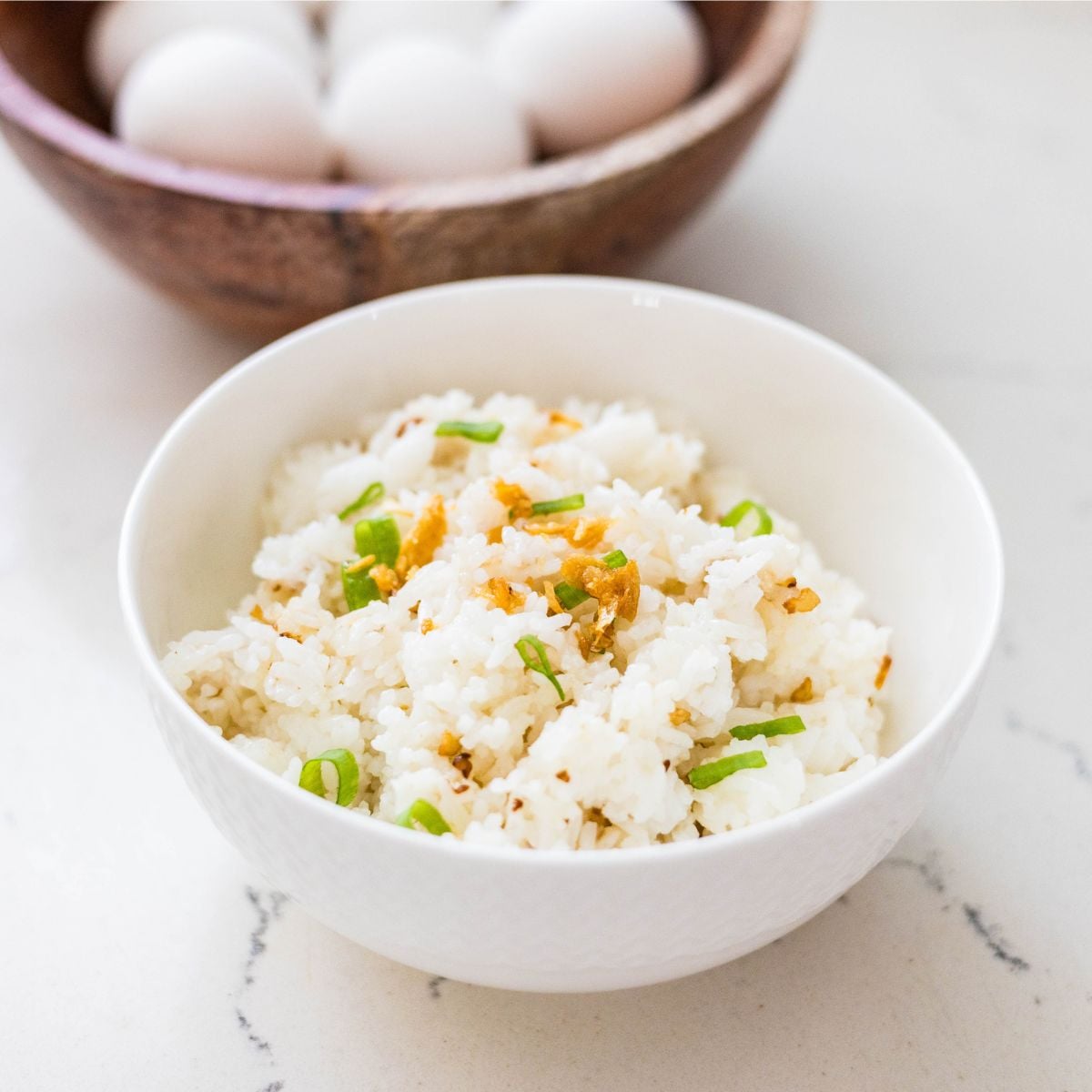
Every Filipino household has a version of this, rice that didn't get finished last night, garlic, hot oil, and ten minutes the next morning. Sinangag turns leftover rice into the thing you actually look forward to on the plate.
The key is golden, crispy garlic. That's what gives sinangag its signature toasty flavor and makes it worth doing right, alongside eggs, tocino, tapa, or longganisa.
Save This Recipe 💌
Jump to:
What Is Sinangag?
Sinangag is Filipino garlic fried rice, made from day-old rice stir-fried with a generous amount of crushed garlic in hot oil. It's a breakfast staple across the Philippines, simple enough that it's easy to underestimate until you've had it done right.
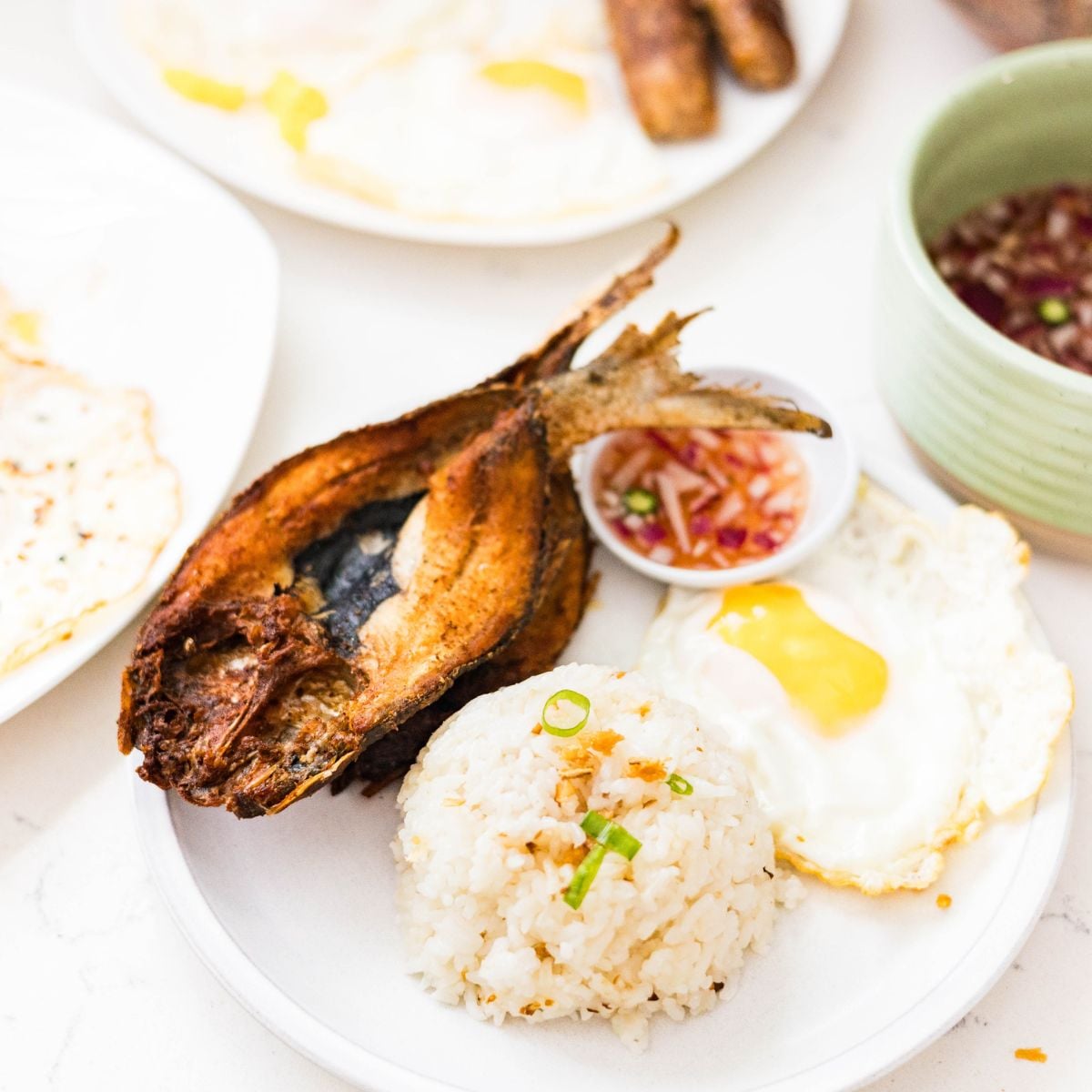
It's also the anchor of what Filipinos call "silog" meals: sinangag plus itlog (egg) plus a protein. Tapsilog is tapa, sinangag, and itlog. Longsilog is longganisa, sinangag, and itlog. Tocilog is tocino, sinangag, and itlog. You'll find these combinations at every Filipino breakfast spot, fast food chain, and home table.
Cold rice goes in, golden garlic coats every grain, and ten minutes later the whole plate is better for it.
Why You'll Love This Recipe
- Fast: Ten minutes start to finish, less if your garlic's already prepped.
- Uses up leftover rice: Day-old rice isn't a workaround here, it's the right call. Fresh rice actually works against you in this recipe.
- Big garlic flavor: This isn't a subtle dish. It's deeply garlicky and toasty, on purpose.
- Flexible: Works as the base for any Filipino breakfast protein, or just as a side for dinner.
- Minimal ingredients: Garlic, rice, oil, salt. That's genuinely all you need.
Ingredients
Here's what you'll need:
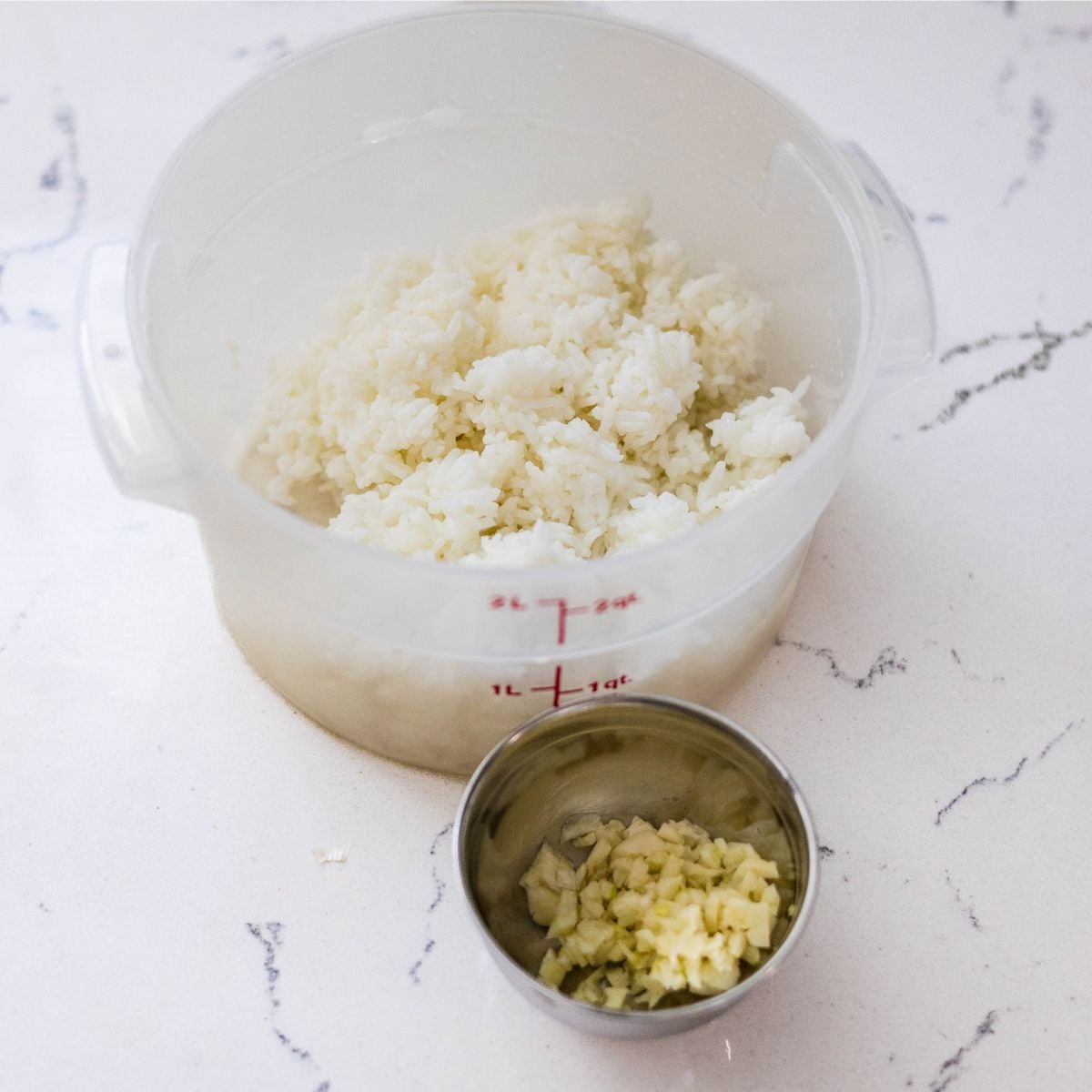
- Day-old jasmine rice: Fresh rice is too wet and steams instead of frying. You want cold, slightly dried-out rice from the fridge, it separates better, crisps at the edges, and soaks up the garlic oil instead of clumping. If all you have is fresh rice, spread it on a sheet pan and refrigerate it uncovered for at least an hour before cooking.
- Garlic, and a lot of it: Filipino sinangag doesn't hold back on garlic. A full head is standard for 2 to 3 cups of rice. Crush the cloves instead of mincing them, crushed garlic fries up with more texture and flavor, and it's less likely to burn than finely minced garlic.
- Neutral oil: Vegetable or canola oil works well. You need enough to actually fry the garlic, not just sauté it.
- Salt (and pepper, if you like it): Season at the end. How much salt depends on whether you're adding any of the optional extras below. A crack of black pepper isn't traditional in every household, but it's common and worth trying if you haven't.
See recipe card for quantities.
Optional but worth it:
- Margarine or butter: Adds richness and a slightly different flavor than oil alone. Some cooks use a mix of both.
- MSG or Magic Sarap: A pinch deepens the savory flavor without changing what the dish actually tastes like. Common in Filipino home cooking, and nothing to be shy about here.
- Patis (fish sauce): A splash in place of plain salt adds umami and a slightly more complex finish.
How to Make Garlic Fried Rice
- Crush and prep your garlic. Peel the garlic cloves and crush them roughly with the flat side of your knife, or pulse them in a small food processor for a large batch. You want rustic, uneven pieces, not a paste.
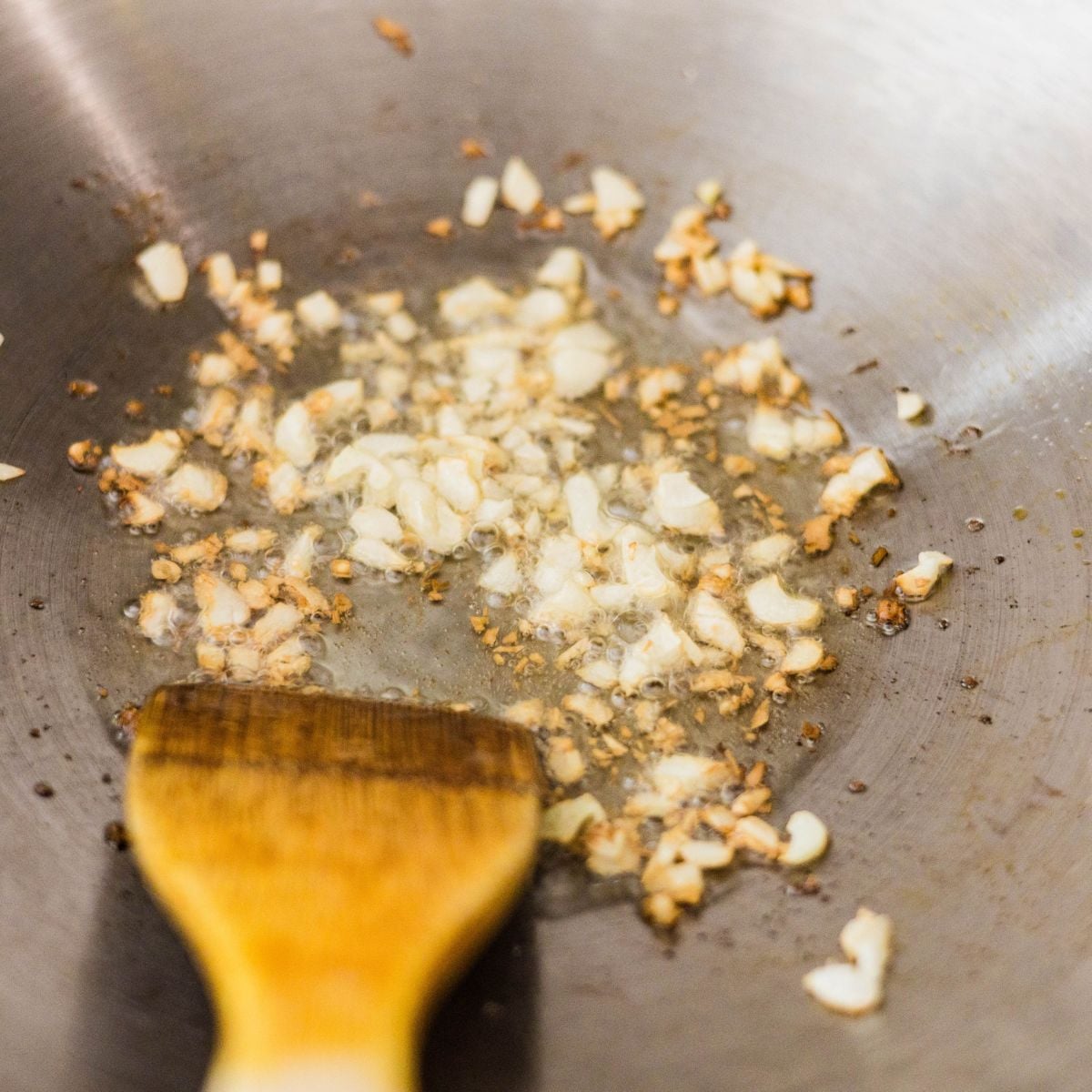
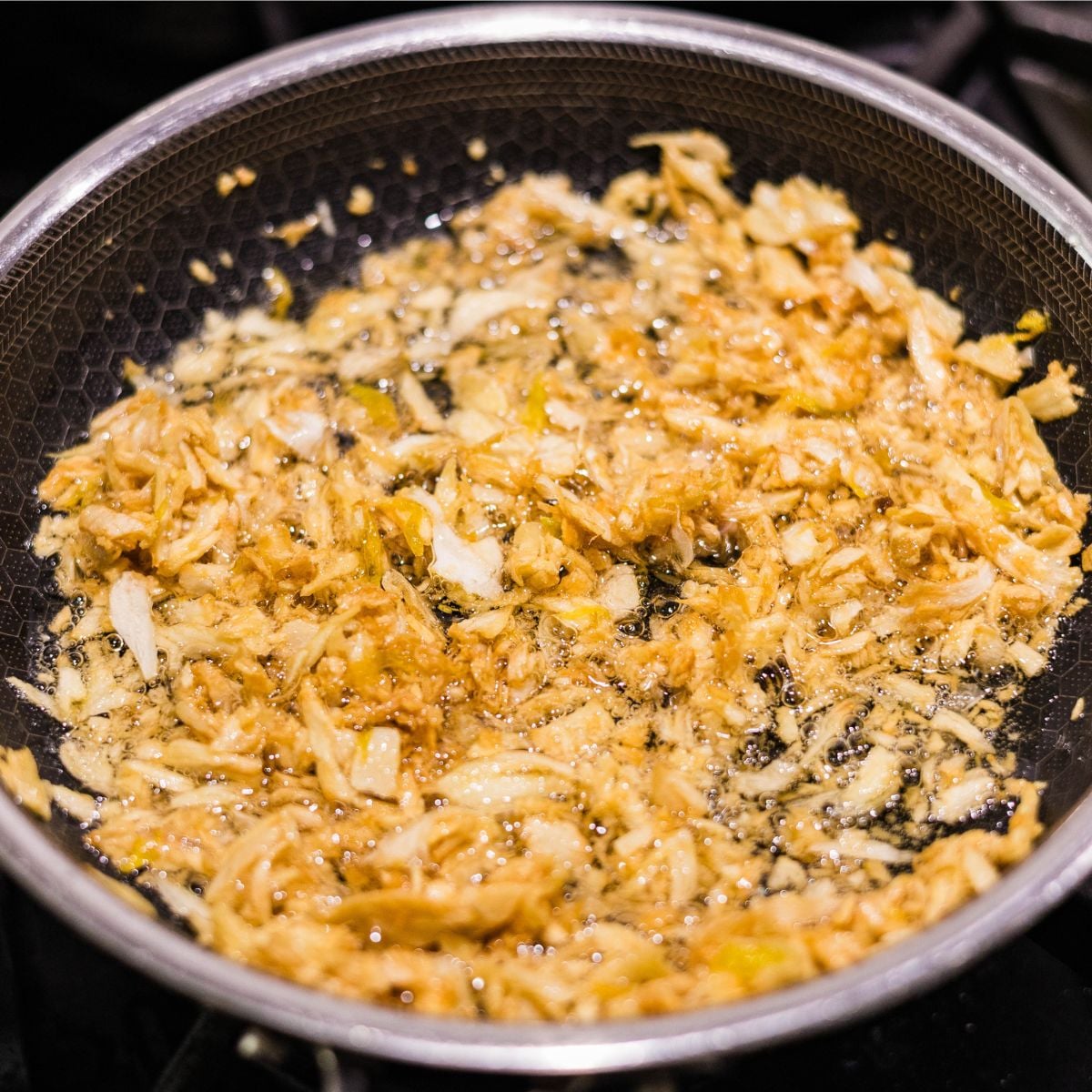
- Fry the garlic. Heat oil in a large wok or skillet over medium heat. Add the garlic and let it fry slowly, stirring occasionally, until deep golden and toasty-smelling, about 3 to 4 minutes. Don't rush it: pale garlic means weak flavor, burnt garlic means bitter rice. Golden is the target. Set aside a spoonful of the crispy garlic for topping later.
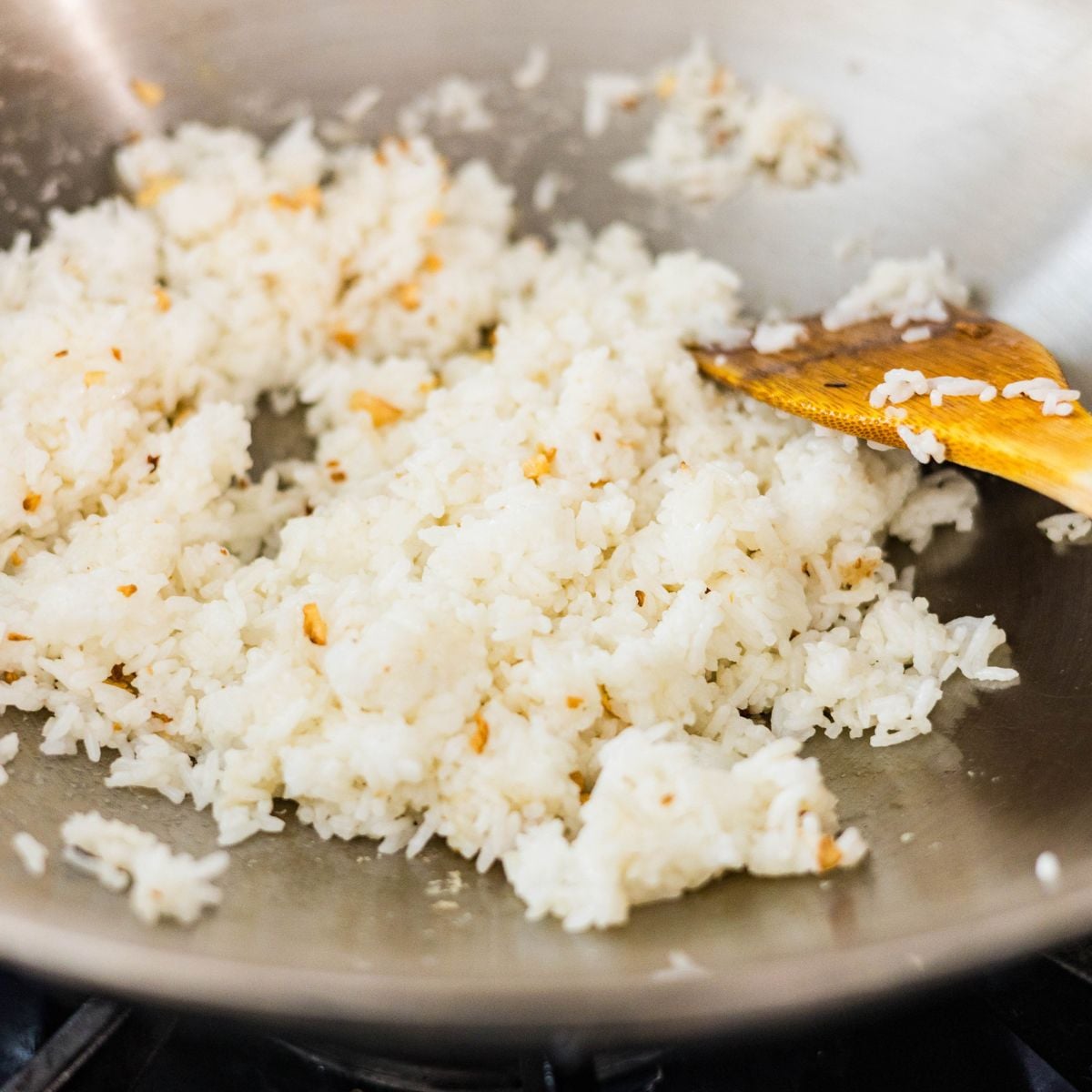
- Add the rice.Increase the heat to medium-high. Add the cold rice directly to the garlic oil and break up any clumps with the back of your spoon. Toss and stir-fry until the rice is coated and picks up a little color.
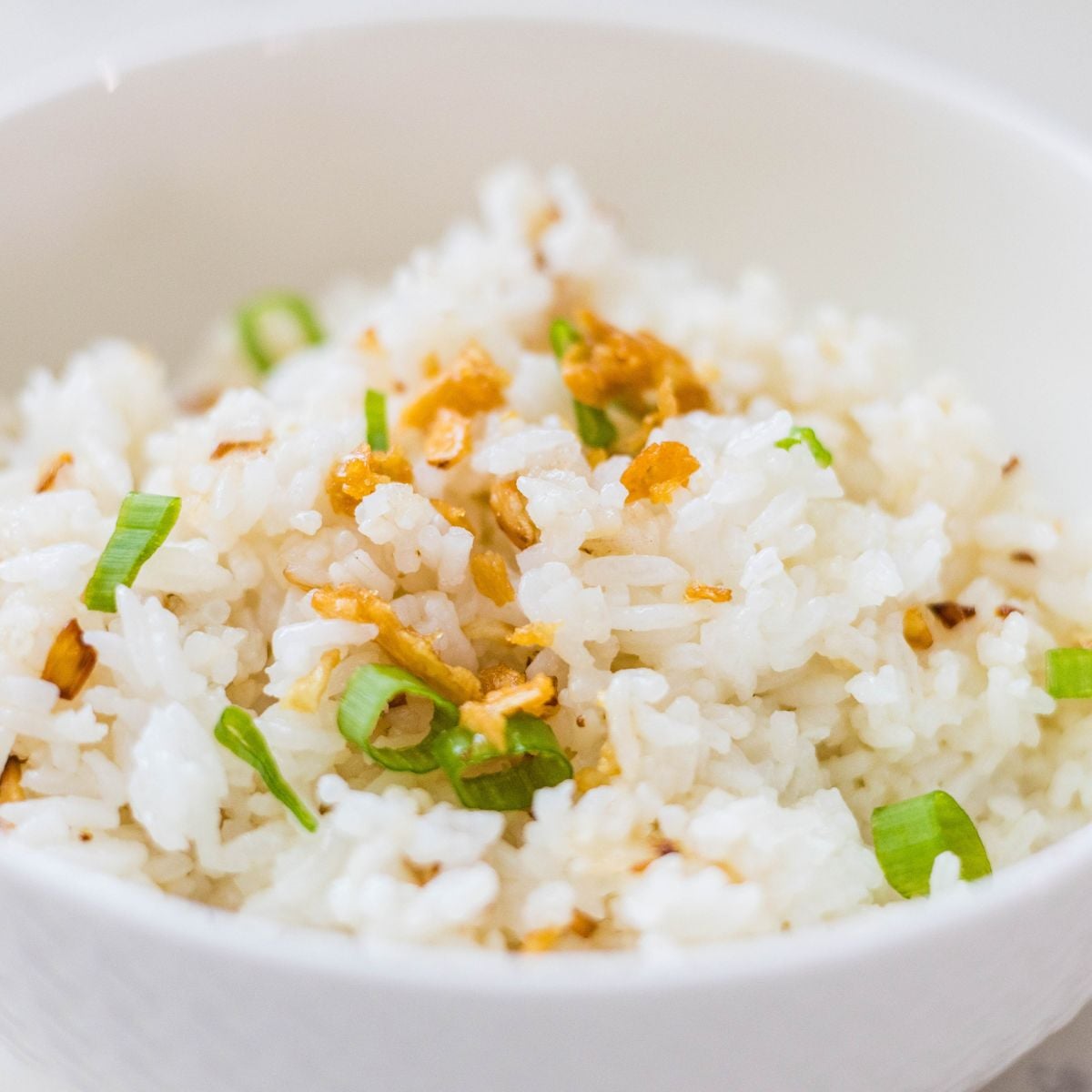
- Season. Once the rice looks evenly coated and slightly toasted, season with salt and pepper to taste. If you're using patis, Magic Sarap, or MSG, add it now. Stir for another minute.
- Serve. Plate the rice and top with the reserved crispy garlic. Serve immediately, alongside eggs and your protein of choice.
Rose's Tips
- How your rice was cooked matters, not just its age. Rice made with too much water turns sticky, and sticky rice won't separate into individual grains no matter how long it sits in the fridge. Cook the rice with the correct water ratio the first time, that's what actually sets you up for good sinangag later, not just letting it sit overnight.
- Wash the rice well before cooking it. Rinse it about 3 times until the water runs mostly clear. Skipping this leaves too much surface starch on the grains, which is another reason rice turns gummy and clumps together instead of frying up separate and crisp.
- Use cold rice, always. Fresh, warm rice clumps and steams instead of frying. Day-old rice straight from the fridge gives you individual, slightly crispy grains, but only if it was cooked and washed correctly to begin with.
- Don't skimp on garlic. Filipino garlic fried rice is supposed to taste aggressively garlicky. If you think you've added enough, add a little more.
- Fry the garlic low and slow first. Starting on medium heat lets it turn golden without burning. Once the rice goes in, you can raise the heat.
- Break up clumps before cooking. If the rice has big lumps from the fridge, break them up by hand before it hits the pan, easier than fighting them with a spatula once it's already cooking.
- High heat for the rice. Once the garlic is done, turn the heat up. You want the rice sizzling and frying, not just warming through.
- Don't overcrowd the pan. Cooking for a crowd? Work in batches. Too much rice at once drops the pan's heat and you'll end up with mushy, steamed rice instead of fried.
- Make garlic oil ahead for faster mornings. Fry a big batch of garlic in oil and keep it in the fridge. Scoop some into the pan, add leftover rice, and breakfast is halfway done.
Variations
- Classic sinangag: Just rice, garlic, oil, and salt. Let the garlic do all the work.
- Butter sinangag: Swap half the oil for butter or margarine, richer and slightly softer than oil alone.
- Anchovy fried rice: My anchovies fried rice (sinangag na dilis) uses the same garlic base and adds dried anchovies for a salty, umami-heavy version that holds up especially well with eggs.
- Adobo fried rice: Leftover adobo sauce stirred in at the end adds real depth. This is the one I make whenever there's leftover chicken adobo in the fridge.
- Egg fried rice: Push the cooked rice to one side of the pan, scramble a couple of eggs in the empty space, then fold them in.
- Spicy sinangag: Add sliced siling labuyo or bird's eye chili in with the garlic at the start.
- Bagoong sinangag: A spoonful of bagoong (fermented shrimp paste) stirred in with the garlic turns this into something closer to bagoong rice, salty, funky, and stronger in flavor than the classic version. Good with green mango or tomatoes on the side to cut through it.
What to Serve With Sinangag
Sinangag is almost always part of a bigger Filipino breakfast plate. Here's what it goes with:
- Fried egg (itlog) - Sunny side up or over easy. The runny yolk mixes into the rice and it's exactly as good as it sounds.
- Tocino - Sweet cured pork. My Kapampangan tocino is the version I make most, and it's one of the easiest proteins you can pair with sinangag.
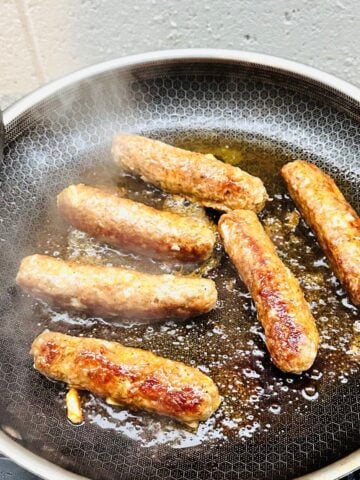
- Longganisa - Sweet or garlicky Filipino sausage. Homemade skinless chicken longganisa is a lighter take if you want to skip the pork.
- Tapa - Cured beef, quick-fried and slightly charred at the edges.
- Fried fish - Bangus (milkfish), tilapia, or any simple pan-fried fish.
- Corned beef - A popular weekday option that comes together in minutes. Filipino corned beef and cabbage works really well here.
Storage
Sinangag is best eaten straight off the pan, when the rice is at its crispiest.
That said, leftovers keep in an airtight container in the fridge for up to 3 days. Reheat in a hot pan with a splash of oil to bring some of the crisp back. The microwave works too, but the rice won't crisp up the same way, expect soft instead of golden.
Recipe FAQs
You can, but let it cool completely first, ideally spread out on a sheet pan in the fridge for at least an hour. Fresh, warm rice has too much moisture and steams instead of frying. Day-old cold rice is always better.
Regular fresh garlic. Filipino recipes typically use small, white cloves. Avoid pre-minced garlic from a jar, it's too wet and won't fry up with the same toasty flavor. Crushing the cloves gives better texture and more even frying than mincing.
A few things cause this. The rice may have had too much water when it was first cooked, or it wasn't rinsed enough beforehand, both leave excess starch and moisture that make it clump instead of separate. It's also possible the rice was too warm going into the pan, or the pan itself wasn't hot enough. Start with rice that was cooked with the right water ratio, rinsed a few times, chilled cold, and fried over medium-high heat.
Not quite. Sinangag is specifically garlic fried rice, simpler and more focused than Chinese-style fried rice, which often includes soy sauce, eggs, vegetables, and multiple proteins mixed in. Sinangag is all about the garlic and the rice. Everything else goes alongside it, not into it.
You can, but it changes the character of the dish. Classic sinangag is seasoned with salt or patis. Soy sauce gives it a darker color and a more Chinese-style flavor, not wrong, just different from the traditional version.
Jasmine rice is the standard in Filipino cooking. It has a slightly sticky texture when fresh, but chilling lets the grains separate cleanly. Long-grain rice also works. Short-grain or sushi rice will be too sticky.
More Filipino Breakfast Recipes You'll Love

Did you try this recipe?
Share how it turned out in the comment box below, and if you loved it, share it on Facebook, Pinterest & Instagram.
Thank you!

Garlic Fried Rice (Sinangag)
Equipment
- large skillet or wok
- Spatula or wooden spoon
Ingredients
- 2 tablespoons neutral oil
- 2 cups day-old cooked rice
- 1 whole head garlic peeled and crushed or roughly chopped
- ½ teaspoon salt or to taste
Instructions
- Prep the garlic. Peel the garlic cloves and crush or roughly chop them. Set aside.
- Fry the garlic. Heat the oil in a large skillet or wok over medium heat. Add the garlic and cook, stirring often, until golden and fragrant. Do not let it burn.2 tablespoons neutral oil, 1 whole head garlic
- Add the rice. Add the day-old rice to the pan. Break up any clumps with a spatula and toss well so the rice is evenly coated in the garlic oil.2 cups day-old cooked rice
- Season. Sprinkle in the salt and continue stir-frying for a few more minutes until the rice is heated through and lightly toasted.½ teaspoon salt
- Serve. Serve hot as a side dish or with eggs and your favorite Filipino breakfast meats.
Save This Recipe 💌
Notes
- How the rice was cooked matters as much as its age. Rice made with too much water turns sticky and won't separate, no matter how long it chills. Use the right water ratio when cooking it in the first place.
- Wash the rice about 3 times before cooking, until the water runs mostly clear. This removes surface starch that would otherwise make the rice clump.
- Use cold, day-old rice. Fresh, warm rice steams instead of frying. No leftovers on hand? Spread freshly cooked rice on a sheet pan and refrigerate uncovered for at least an hour.
- Crush the garlic instead of mincing it. It fries up with more texture and is less likely to burn than finely minced garlic.
- Don't rush the garlic. Golden means good flavor. Pale is weak, burnt turns the whole dish bitter.
- High heat once the rice goes in. You want it sizzling and picking up color, not just warming through.
- Leftovers keep for up to 3 days in the fridge. Reheat in a hot pan with a splash of oil for the best texture, the microwave works but the rice won't crisp back up.
Lorna says
Made this to go with daingsilog this morning and the crispy garlic on top was the best part!
Rose Sioson says
Hi Lorna, That crispy garlic on top is the best part, glad it worked with daingsilog. Good breakfast combo.