

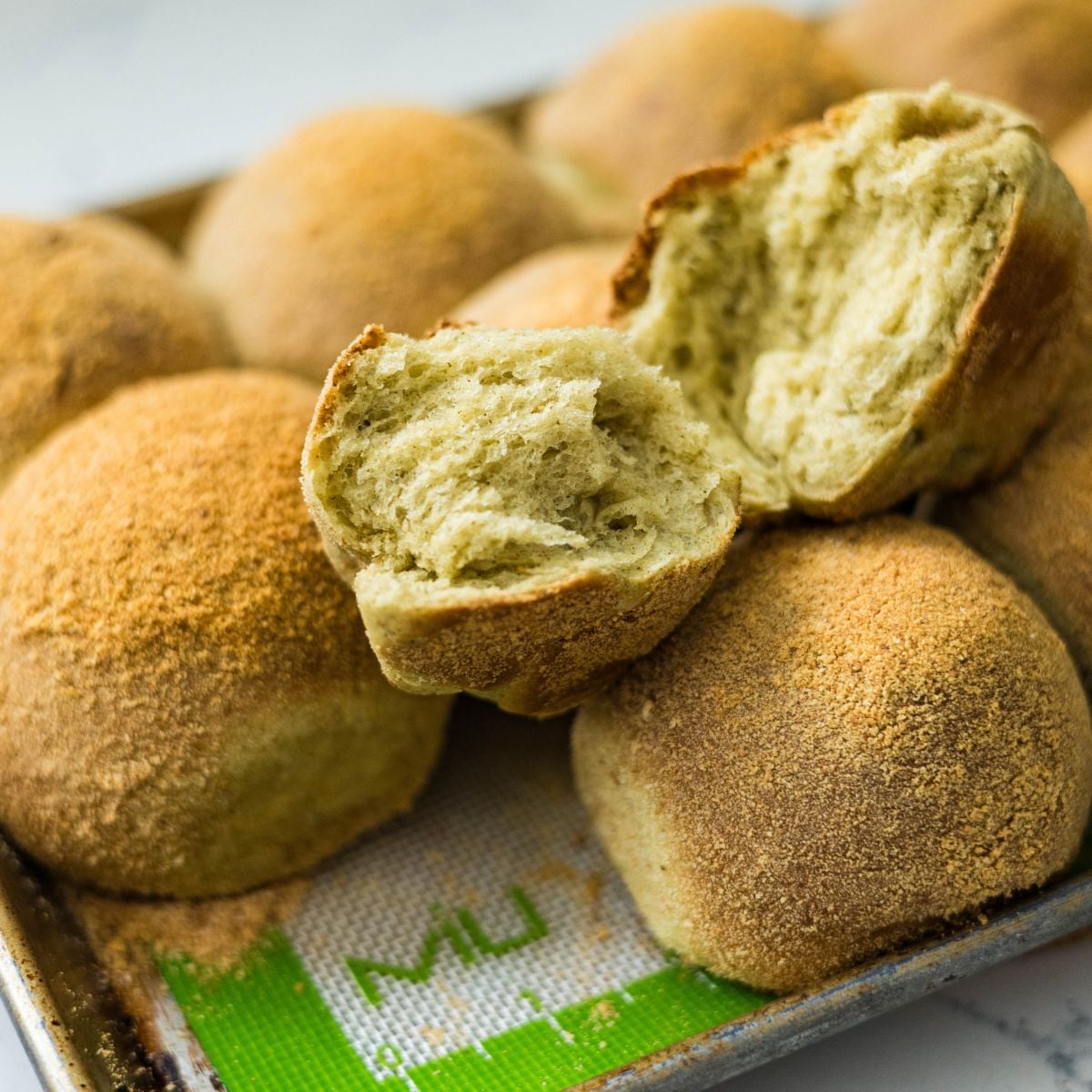
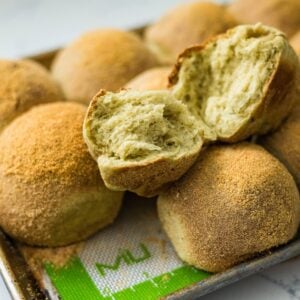
Malunggay pandesal made with the tangzhong method comes out noticeably softer, stretches when you pull it apart, and stays that way the next day. I've made a lot of pandesal. This is the one I keep coming back to.
This recipe uses malunggay powder instead of fresh leaves, so you can make it anytime without hunting down a bundle. The flavor is mild and earthy. The color turns this soft, pretty green. They look like they came from an actual bakery.
If you love a soft, enriched Filipino bread project, my classic pandesal walks through the tangzhong-free base version in detail, or my Spanish bread uses that same kind of dough energy and is worth making next.
Save This Recipe 💌
Jump to:
- What Is Malunggay?
- What Is Tangzhong and Why Does It Matter?
- Ingredient Notes
- Substitution and Additions
- How To Make Malunggay Pandesal
- Rose's Top Tips
- Variations
- What to Serve With Malunggay Pandesal
- Storage
- Recipe FAQs
- More Filipino Breads You'll Love
- Did you try this recipe?
- Malunggay Pandesal (Moringa bread using Tangzhong method)
What Is Malunggay?
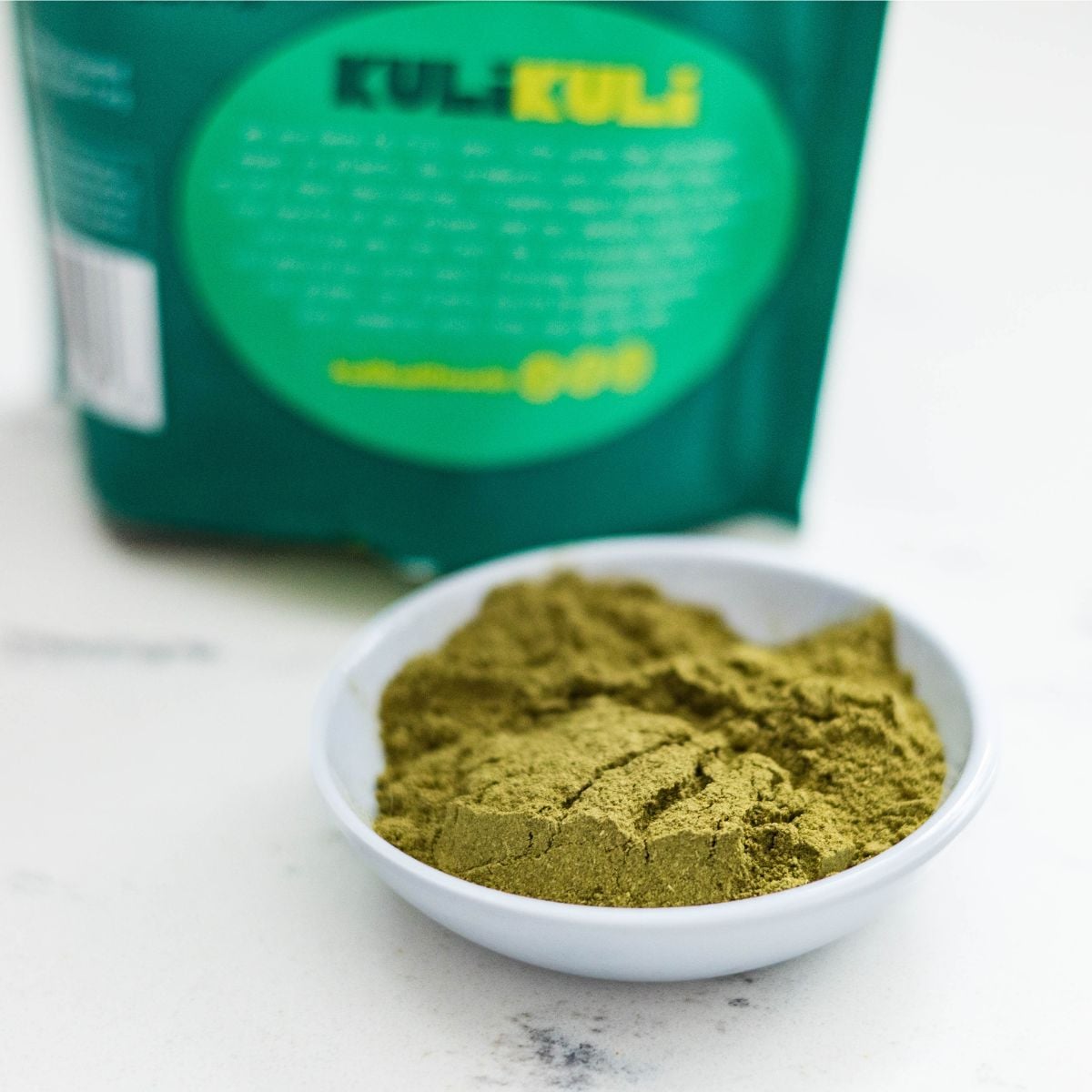
Malunggay is the Filipino name for moringa, a leafy green used in everything from tinola to smoothies. The flavor is mild and slightly grassy, and it disappears almost completely once baked. We use the powder here. Easy to find at Filipino or Asian grocery stores, and it blends into the dough without any fuss.
What Is Tangzhong and Why Does It Matter?
Tangzhong is a simple technique where a small amount of flour and milk are cooked into a thick paste before going into the dough. It's one extra step, about 5 minutes, and it's worth it.
Cooking the flour and milk together lets the starch absorb more liquid than it normally could. That moisture stays locked in through baking, which means softer rolls that stay soft the next day. If your pandesal has ever come out dense or dried out fast, this is the fix.
Ingredient Notes
Here's what you'll need:
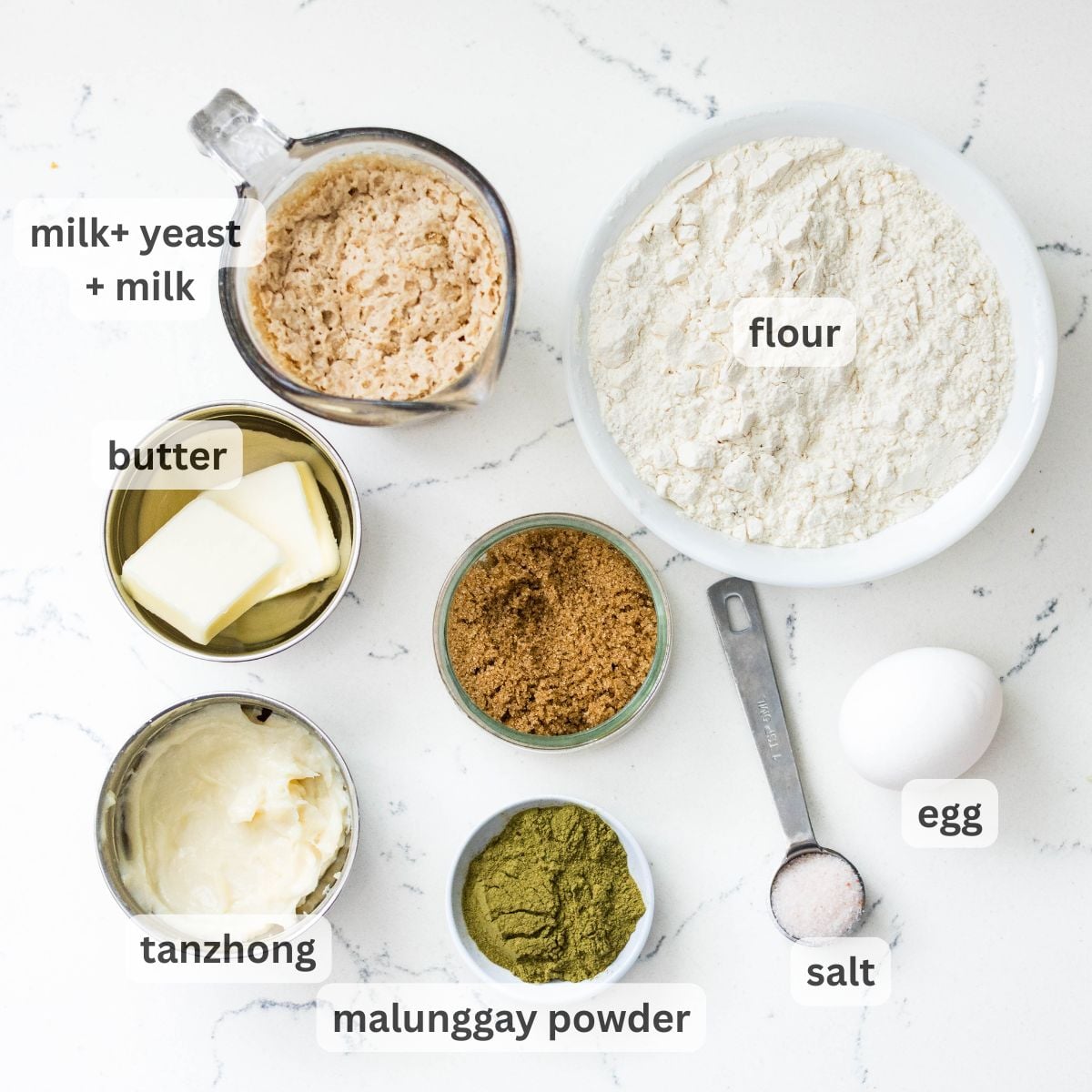
- Bread flour vs. all-purpose flour: This recipe uses both. Bread flour has more protein, which builds gluten and gives the rolls their chewy structure. All-purpose flour keeps things light. All bread flour makes them tough. All all-purpose makes them less structured. The combination is the move.
- Active dry yeast: Make sure yours is fresh. Bloom it in warm milk first. If it doesn't foam up within 10 minutes, the yeast is dead and the dough won't rise. This is the most common reason homemade bread doesn't work out.
- Malunggay powder: Start with 1 tablespoon. The flavor is mild and pleasant, but it does give the dough a slightly green color that deepens as it bakes. If you want more color and flavor, go up to 1.5 tablespoons.
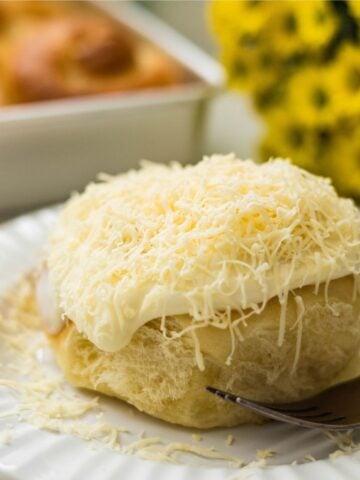
- Butter: Use unsalted and make sure it's softened to room temperature before adding to the dough. Cold butter won't incorporate evenly. It's the same rule I follow for my ensaymada, another enriched dough that really does need soft butter to come together properly.
- Fine breadcrumbs: The coating is what makes pandesal look like pandesal. If you're out of store-bought, toast a few slices of bread in the air fryer until golden, then blend until fine. Homemade crumbs work beautifully. Before rolling, give each dough ball a light spray of avocado oil or water so the crumbs actually stick. Roll generously.
See recipe card for quantities.
Substitution and Additions
- Active dry yeast: You can use instant yeast instead. Use the same amount and skip the blooming step.
- Malunggay powder: Fresh malunggay leaves work too. Blanch them briefly, squeeze out as much moisture as possible, then mince before adding to the dough.
- Flour: You can use all all-purpose flour if needed, but the rolls will be a little less chewy and structured. The mix of bread flour and all-purpose gives the best texture.
- Breadcrumbs: Homemade breadcrumbs work great if you do not have store-bought.
- Additions: You can stuff the rolls with cheese, add more malunggay powder for deeper color and flavor, or add 1 extra tablespoon of sugar for a slightly sweeter version.
How To Make Malunggay Pandesal
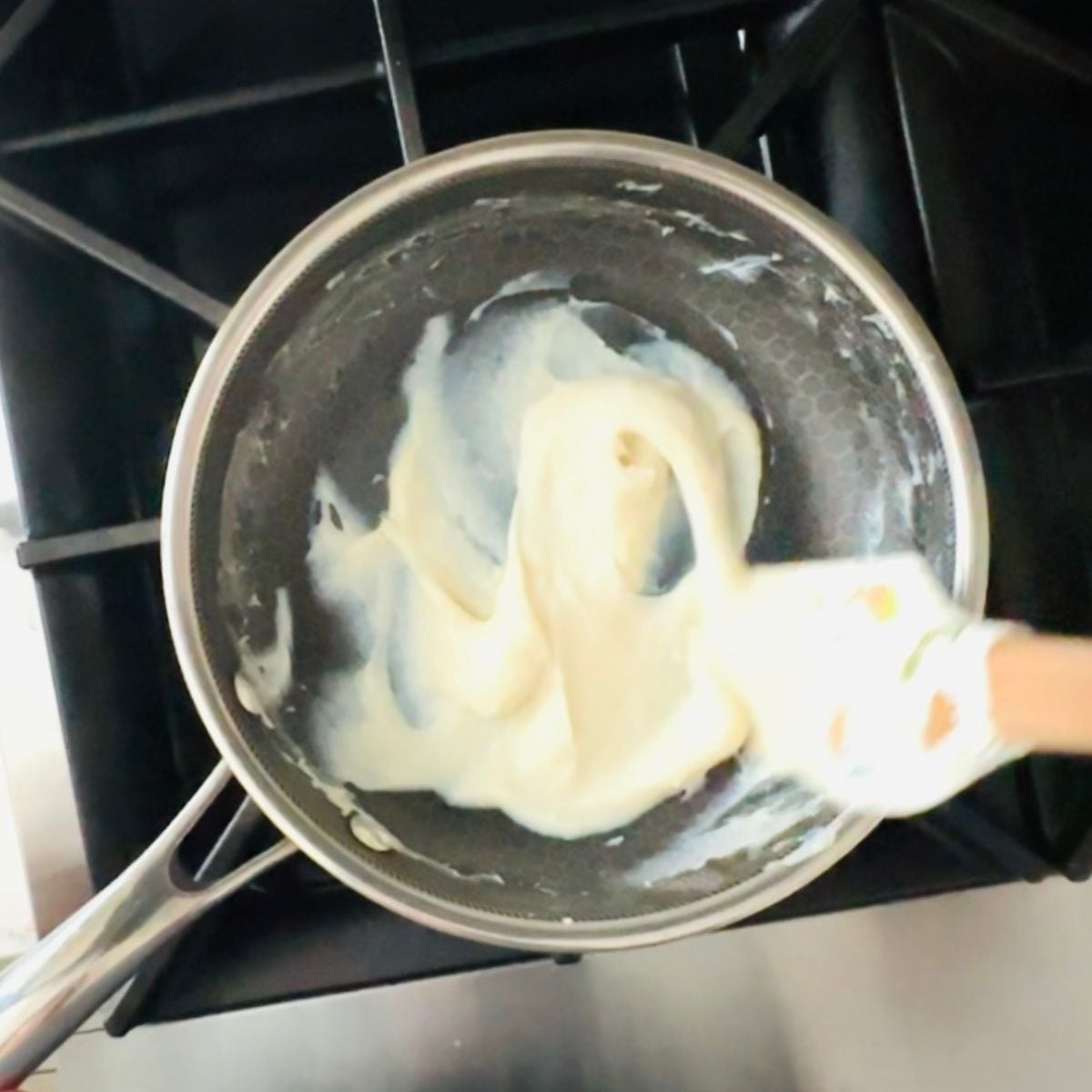
- Make the tangzhong. Whisk the flour and milk together in a small saucepan over medium-low heat. Stir constantly until it thickens into a smooth paste that looks like thick pudding. Remove from heat and let it cool completely before using.
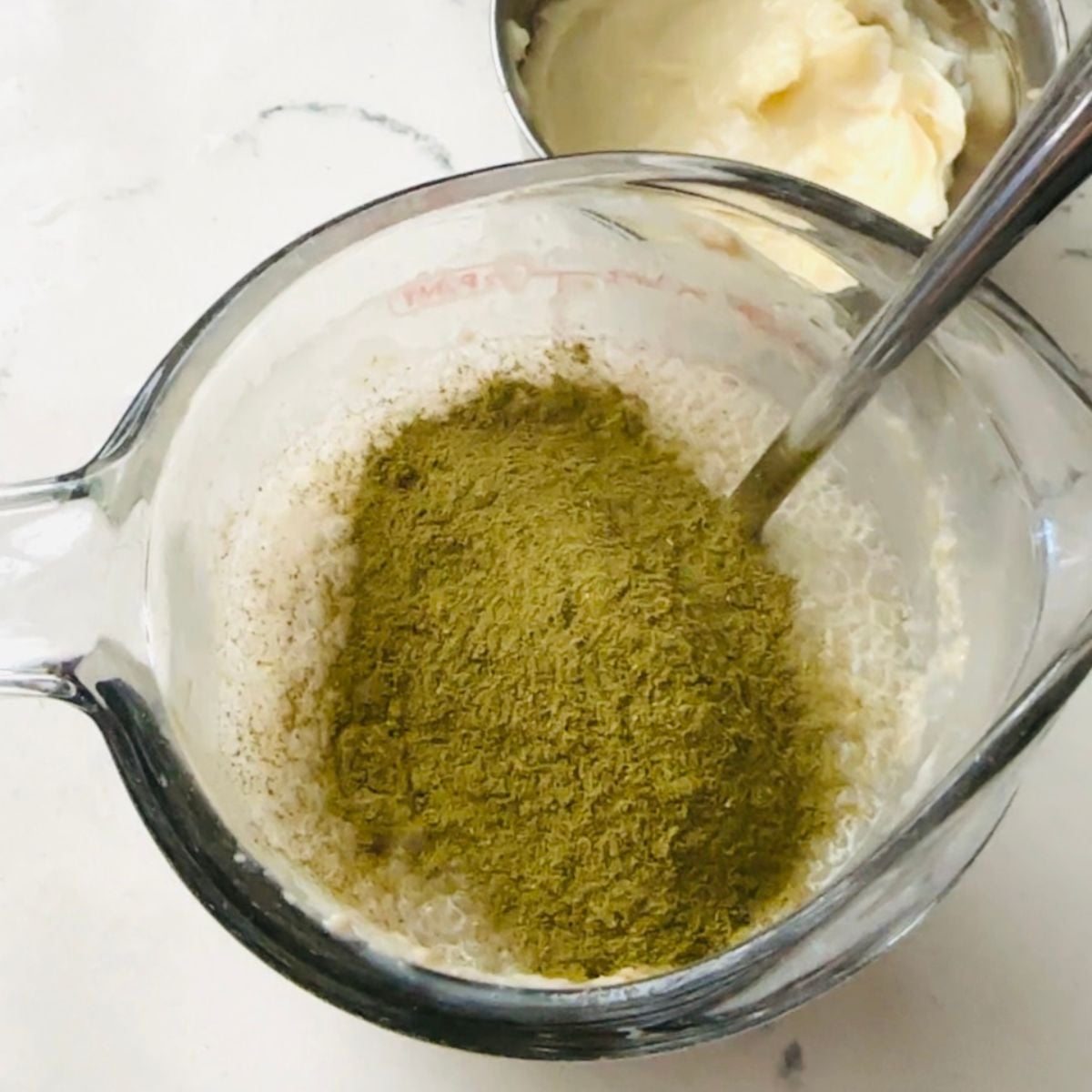
- Activate the yeast. Warm your milk until it's warm to the touch but not hot. Add the active dry yeast and a pinch of sugar. Stir and let it sit until foamy. If nothing happens, start over with fresh yeast. Add the maluggay powder.
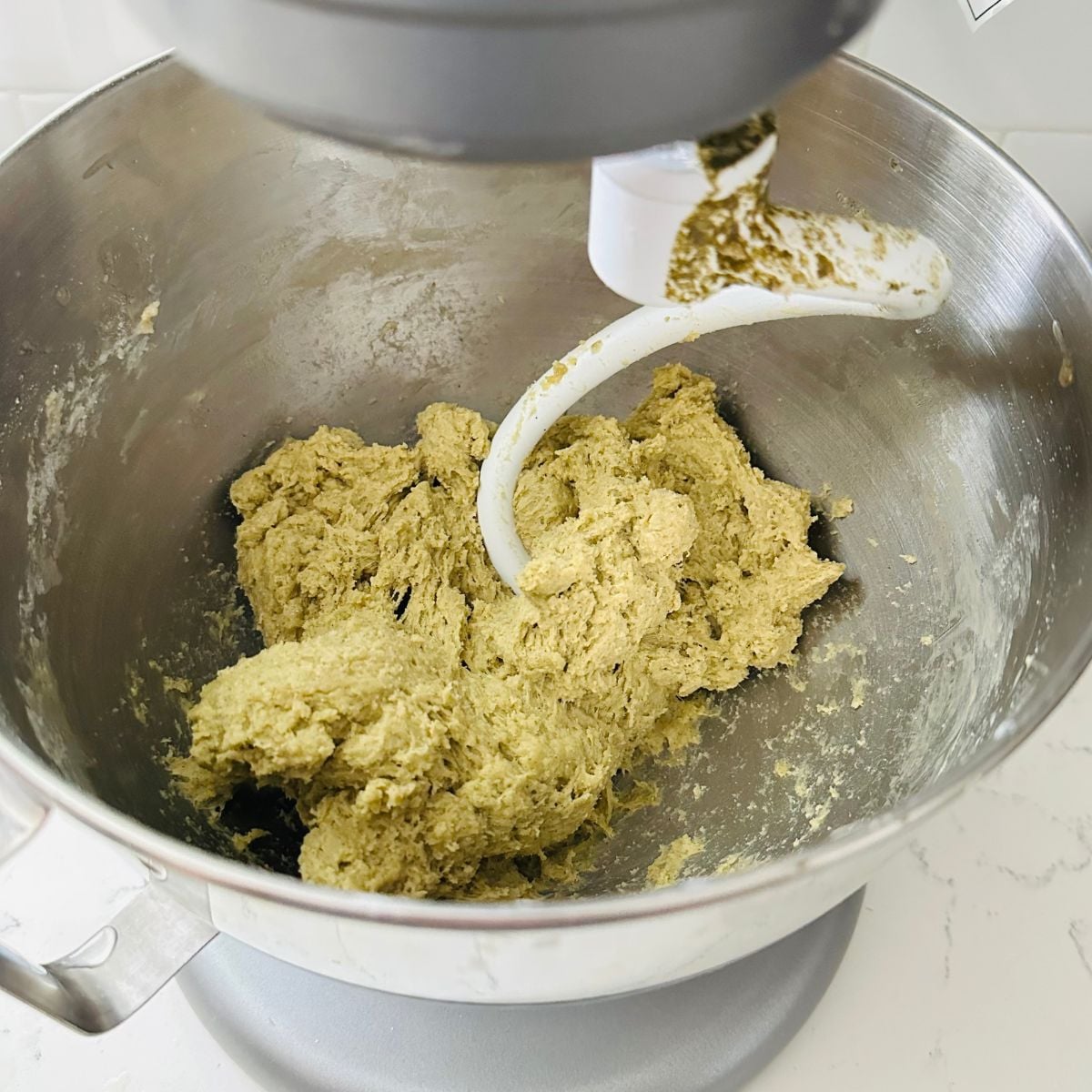
- Mix the dough. Combine both flours, brown sugar, white sugar, salt in a large bowl. Make a well in the center and add the egg, yeast mixture, and cooled tangzhong. Mix until a shaggy dough forms, then knead until smooth and slightly tacky.
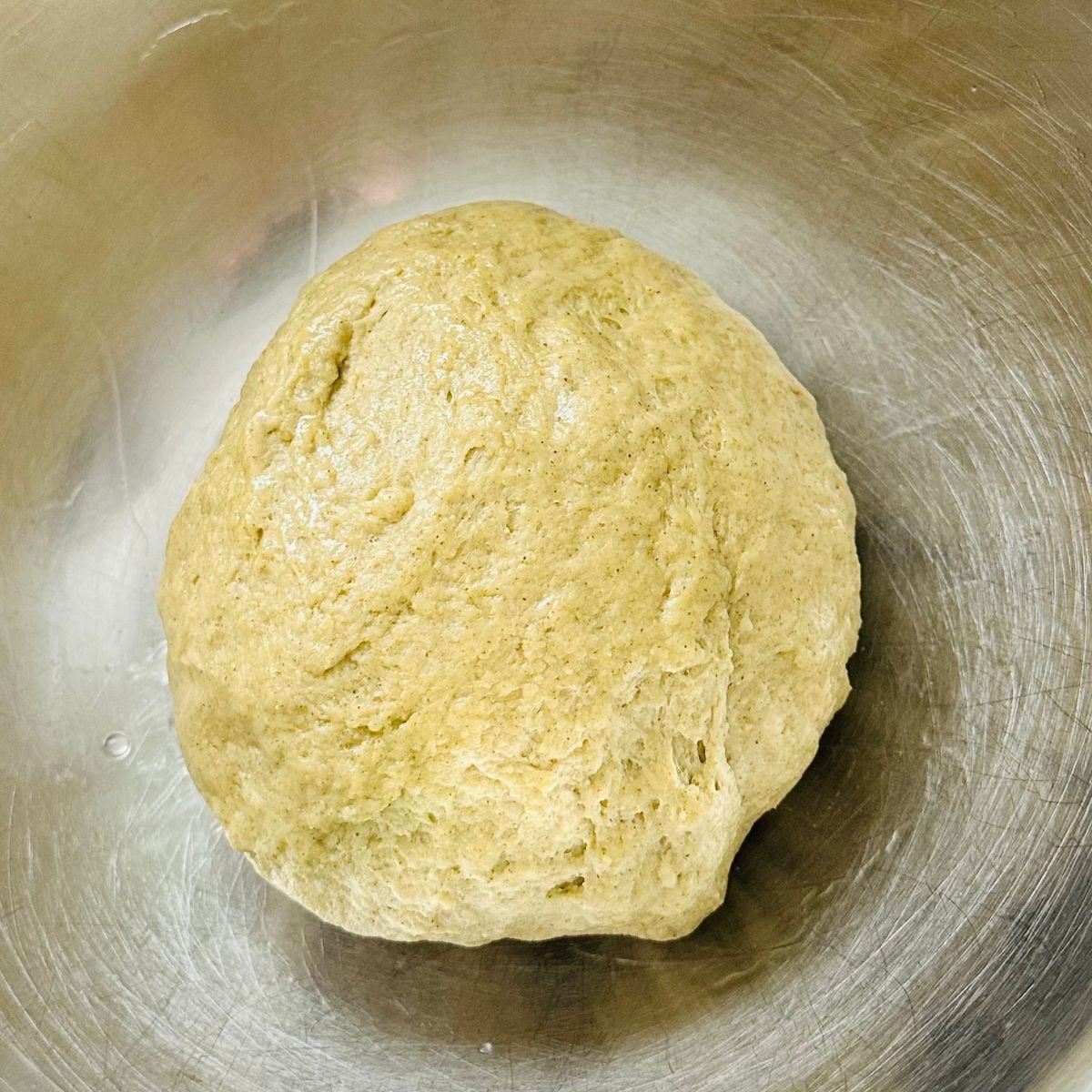
- Add the butter. Add the softened butter in small pieces, kneading it in a few at a time. The dough will feel greasy at first. Keep going. Once all the butter is incorporated, the dough should be smooth, soft, and elastic.
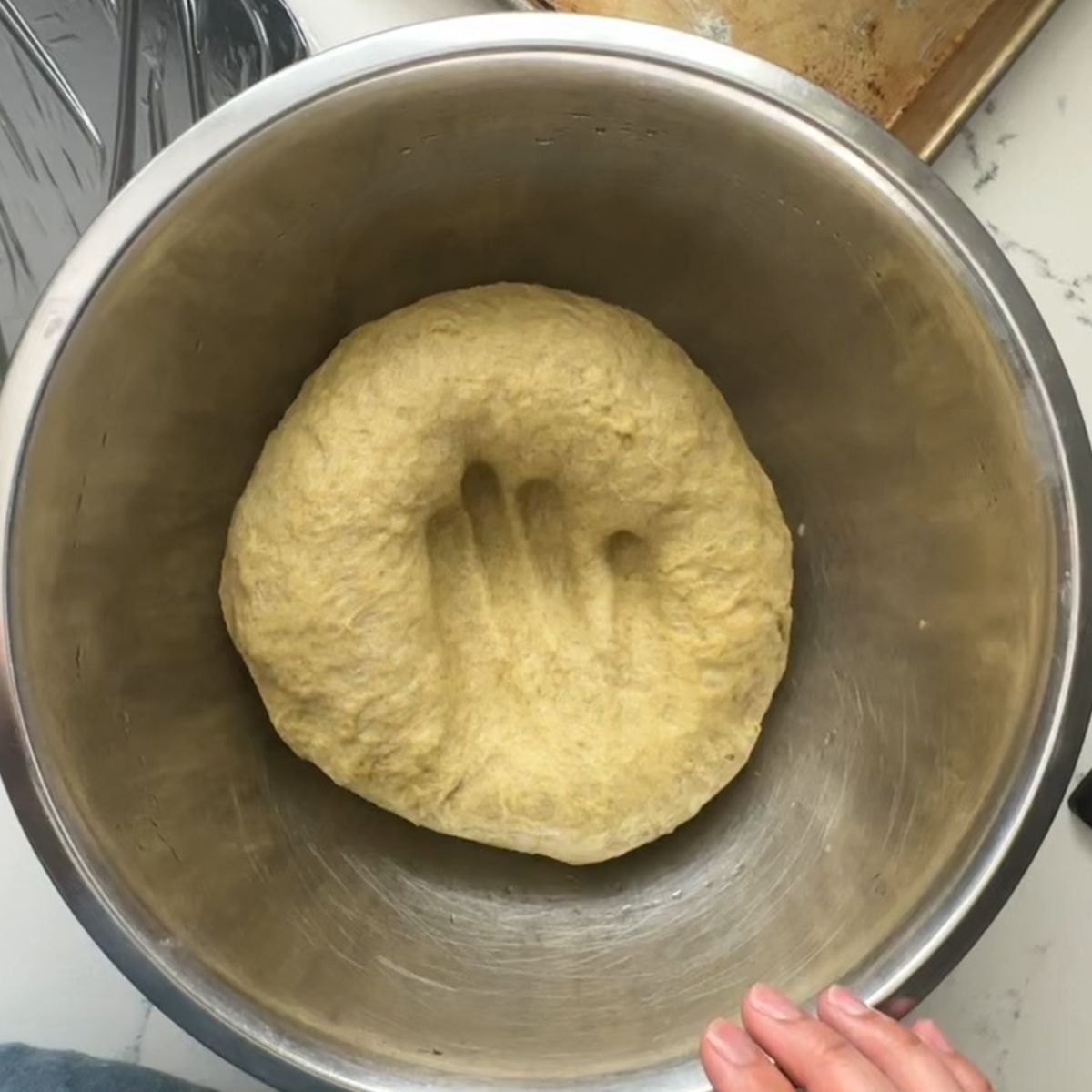
- First rise. Form the dough into a ball, place in a lightly oiled bowl, cover with a clean towel or plastic wrap, and let it rise in a warm spot until doubled in size.
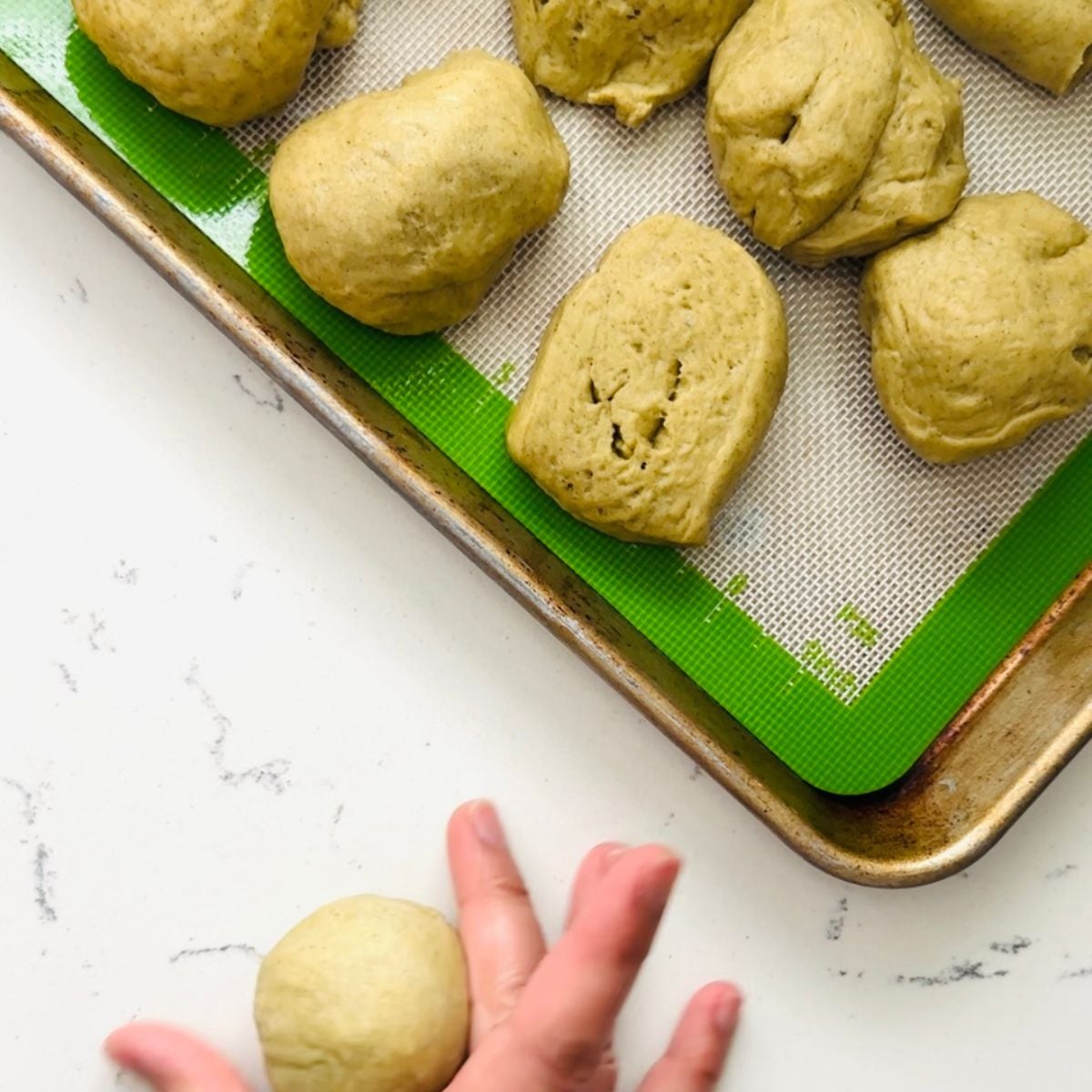
- Shape the rolls. Punch the dough down gently. Divide into equal portions and roll each piece into a smooth ball, pinching the seam tight at the bottom.
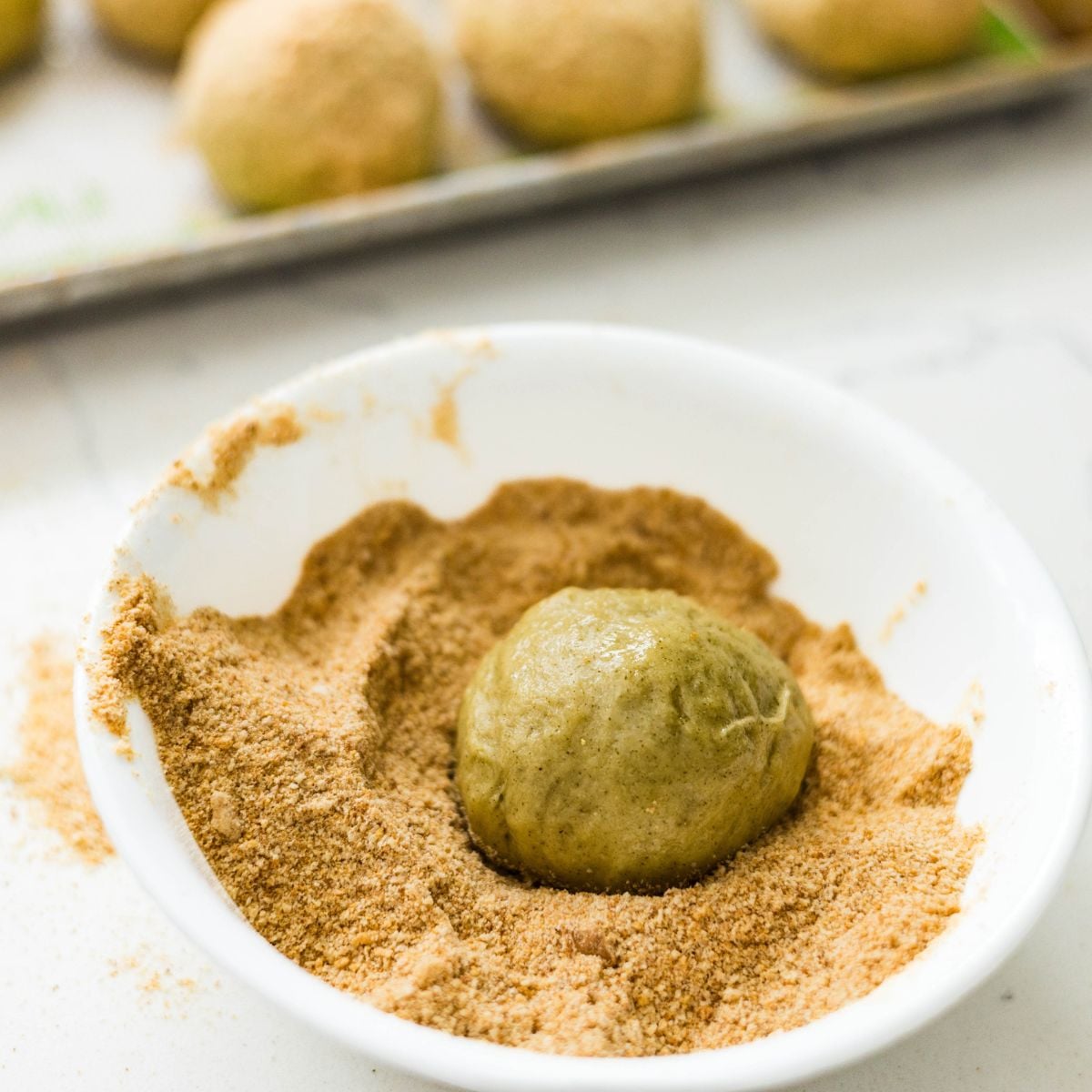
- Coat and second rise. Pour the fine breadcrumbs onto a plate or shallow dish. Give each dough ball a light spray of avocado oil or water before rolling, this helps the crumbs stick properly. Arrange on a lined baking sheet about an inch apart. Cover loosely and let rise until puffy.
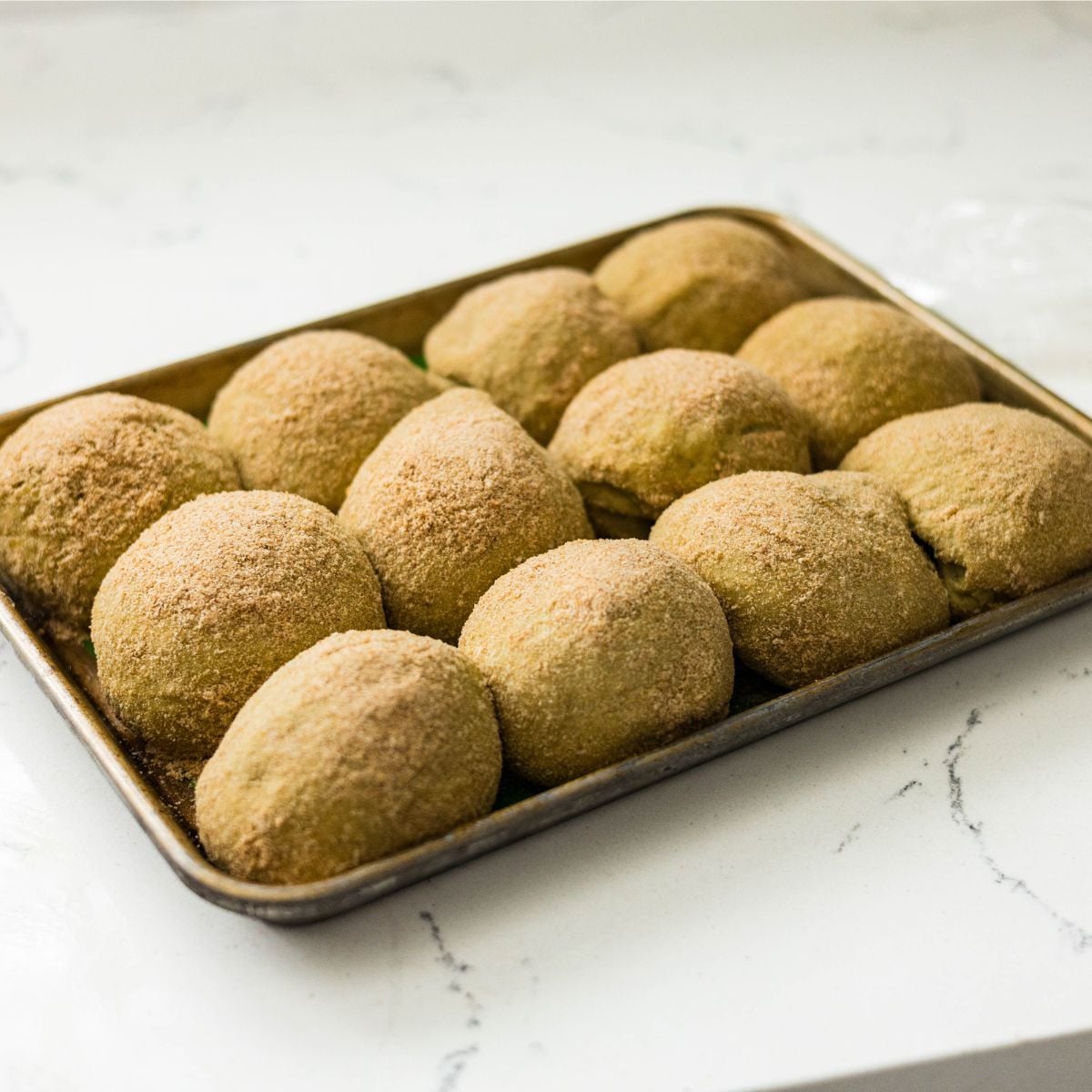
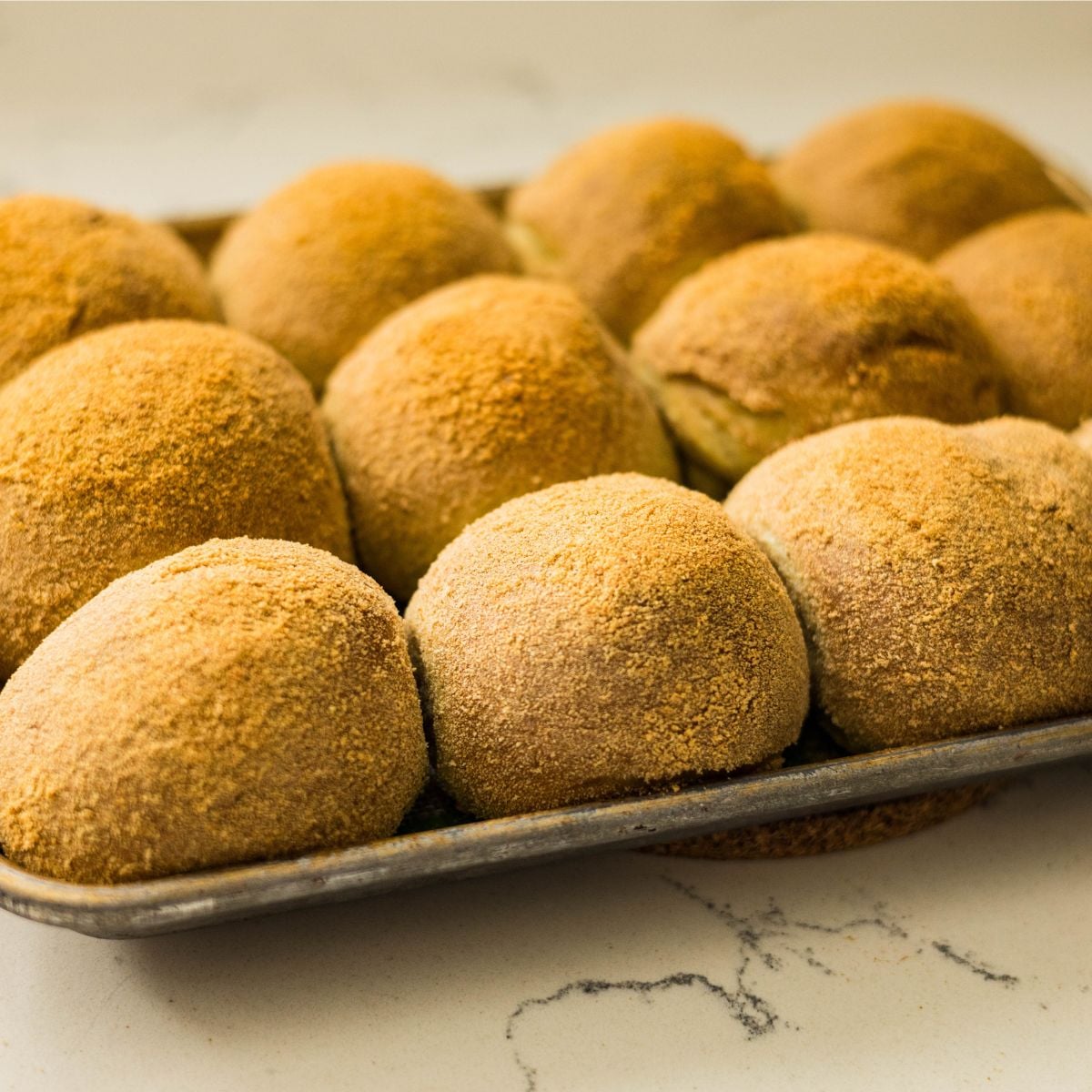
- Bake. Preheat your oven. Bake until the rolls are golden and cooked through. They should sound hollow when you tap the bottom. Cool on a wire rack for a few minutes before eating.
Rose's Top Tips
- Don't rush the rises. Both rises matter. Cutting them short means denser rolls. If your kitchen is cold, put the covered dough in an unheated oven with just the oven light on. It creates a warm enough environment to rise properly.
- Pinch the seam tight. When you shape the balls, make sure the seam at the bottom is sealed. A loose seam can open up during baking and the roll loses its round shape.
- Cool the tangzhong completely. Adding it to the dough while it's still hot can kill the yeast. Room temperature or slightly warm is fine.
- Weigh your ingredients. Bread is much more forgiving when you use a scale instead of measuring cups. Too much flour and the dough gets stiff. Too little and it won't hold shape. The gram measurements here are tested and reliable.
- Don't skip the breadcrumb coating. It's what gives pandesal its signature look and a little bit of texture on the outside. Roll generously. And if you run out of breadcrumbs, the air fryer + blender trick works great: toast a few slices of white bread until golden, then blend into fine crumbs. The golden color is a bonus.
- Listen to the dough. If it's sticking to everything and won't pull away from the bowl cleanly, add flour a tablespoon at a time. If it feels tight and hard to knead, add milk a teaspoon at a time. You're looking for soft, slightly tacky, and smooth.
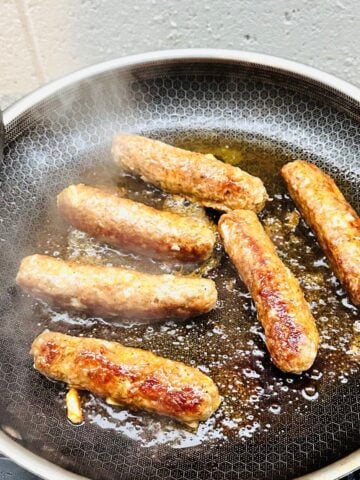
If you love making Filipino breakfast recipes at home, this one fits right in alongside longganisa and a hot cup of coffee.
Variations
- Cheese-stuffed malunggay pandesal: Flatten each dough ball before shaping, place a small cube of quick-melt cheese in the center, then seal and roll in breadcrumbs. The cheese melts inside as it bakes.
- Extra malunggay: Double the powder to 2 tablespoons for a deeper green color and more pronounced moringa flavor.
- Sweet version: Add an extra tablespoon of sugar and a tiny pinch of cinnamon to the dough for a slightly sweeter roll that's good with butter and jam.
- Pandesal slider buns: Make them slightly larger (about 80 grams each) and shape into ovals instead of rounds. Great for filling with leftover adobo, chicken, or eggs. My homemade skinless chicken longganisa tucked into one of these slider buns is the kind of breakfast worth waking up early for.
What to Serve With Malunggay Pandesal
The classic move is butter. Warm pandesal, cold butter, done.
But here's what else works:
- Scrambled eggs with garlic, a proper Filipino breakfast plate
- Dipped in hot coffee or hot chocolate for merienda
- Filled with cheese and fried egg for a quick morning sandwich
- Served alongside chicken tinola, the malunggay in the bread and the malunggay in the soup is not too much, it's completely intentional
- Split open and filled with leftover Filipino chicken adobo for the best lunch you'll have this week
Storage
Room temperature: Store in an airtight container or zip-lock bag for up to 2 days. Pandesal is always best the day it's baked, but the tangzhong helps it stay soft longer than a standard recipe.
To refresh: Microwave individual rolls for 10 to 15 seconds, or warm them in a 300°F oven for 5 minutes. They'll taste close to fresh.
Freezer: Freeze fully baked rolls in a zip-lock bag for up to 2 months. Thaw at room temperature or reheat straight from frozen in a 325°F oven for 10 to 12 minutes.
Unbaked dough: You can freeze the shaped, uncoated dough balls before the second rise. Thaw overnight in the fridge, let them come to room temperature, coat in breadcrumbs, do the second rise, then bake as normal.
Recipe FAQs
Yes, but the texture and moisture content are different. Strip the leaves from the stems, blanch briefly, squeeze out as much moisture as possible, and mince finely before adding to the dough. Start with about 2 to 3 tablespoons of packed leaves. The color will be brighter but the flavor is similar.
You can, but the rolls won't be as soft and they won't stay soft as long. If you want to skip it, add the flour and milk amounts directly into the dough. The recipe will still work. The texture just won't be the same.
Almost always the yeast. Either it was expired, the milk was too hot (above 115°F kills yeast), or it wasn't given enough time to activate. Always bloom your yeast first and wait for the foam before adding it to the dough.
Yes. Use the same amount and skip the blooming step. Add instant yeast directly to the dry ingredients.
Golden color on top and a hollow sound when you tap the bottom. If you have an instant-read thermometer, the internal temperature should be around 180-190°F.
Yes. After the first rise, punch the dough down, shape the rolls, coat in breadcrumbs, and place on the baking sheet. Cover tightly and refrigerate overnight. In the morning, let them sit at room temperature for 45 minutes to 1 hour before baking.
More Filipino Breads You'll Love
Looking for other recipes like this? Try these:


Did you try this recipe?
Share how it turned out in the comment box below, and if you loved it, share it on Facebook, Pinterest & Instagram.
Thank you!

Malunggay Pandesal (Moringa bread using Tangzhong method)
Equipment
- Stand mixer with dough hook (optional, dough can also be kneaded by hand)
- mixing bowls
- Small saucepan
- whisk
- Kitchen scale
- measuring cups and spoons
- Baking sheet
- Parchment paper or silicone baking mat
- Clean kitchen towel or plastic wrap
- Wire rack
Ingredients
For the Tangzhong
- 18 grams all-purpose flour
- 90 grams milk
For the Dough
- 162 grams all-purpose flour
- 180 grams bread flour
- 56 grams brown sugar
- 28 grams white sugar
- 15 grams active dry yeast
- 140 grams milk warmed to about 110°F
- 1 tablespoon malunggay powder
- 1 large egg
- 6 grams salt
- 28 grams unsalted butter softened
- 100 grams fine breadcrumbs
Instructions
- Make the tangzhong: In a small saucepan, whisk together 18 g all-purpose flour and 90 g milk over medium-low heat. Stir constantly for 3 to 5 minutes until it thickens into a smooth paste, like thick pudding. Remove from heat and let it cool to room temperature.18 grams all-purpose flour, 90 grams milk
- Activate the yeast: Warm the milk to about 110°F. Stir in the active dry yeast and a pinch of the sugar. Let it sit for 8 to 10 minutes until foamy. Stir in the malunggay powder.28 grams white sugar, 15 grams active dry yeast, 140 grams milk, 1 tablespoon malunggay powder
- Mix the dough: In a large bowl or stand mixer bowl, combine the all-purpose flour, bread flour, brown sugar, and salt. Add the egg, yeast mixture, and cooled tangzhong. Mix until a shaggy dough forms.162 grams all-purpose flour, 180 grams bread flour, 56 grams brown sugar, 1 large egg, 6 grams salt
- Knead the dough: Knead for 5 to 7 minutes until the dough starts to look smoother and slightly tacky. You can do this in a stand mixer with a dough hook or by hand.
- Add the butter: Add the softened butter a little at a time, kneading well after each addition. The dough will feel greasy at first, but keep going until it becomes smooth, soft, and elastic.28 grams unsalted butter
- First rise: Form the dough into a ball and place it in a lightly oiled bowl. Cover and let it rise in a warm spot for 1 to 1 ½ hours, or until doubled in size.
- Shape the rolls: Gently punch down the dough. Divide into 12 equal portions, about 60 to 65 grams each. Shape each piece into a smooth ball and pinch the seam underneath.
- Coat with breadcrumbs: Roll each dough ball in fine breadcrumbs until well coated. Place them on a lined baking sheet about 1 inch apart.100 grams fine breadcrumbs
- Second rise: Cover loosely and let the dough rise again for 45 minutes to 1 hour, until puffy.
- Bake: Preheat the oven to 350°F. Bake for 15 to 18 minutes, or until the rolls are lightly golden and sound hollow when tapped on the bottom.
- Cool and serve: Transfer to a wire rack and let cool for at least 5 minutes before serving.
Save This Recipe 💌
Notes
- You can use a stand mixer or knead by hand. A mixer makes it easier, but hand kneading works just fine.
- Do not rush the rises. Both rises matter for soft, fluffy pandesal.
- If your kitchen is cold, let the dough rise in an unheated oven with just the oven light on.
- Cool the tangzhong completely before adding it so it does not affect the yeast.
- Pinch the seam tightly when shaping so the rolls stay round while baking.
- Do not skip the breadcrumb coating. It gives pandesal its signature finish.
- Use a kitchen scale for the best texture and most reliable dough.
Mae says
Made a batch and stuffed half with cheese like you suggested, those went first.
Rose Sioson says
Hello Mae!Cheese-stuffed always wins first. Glad that tip paid off.