

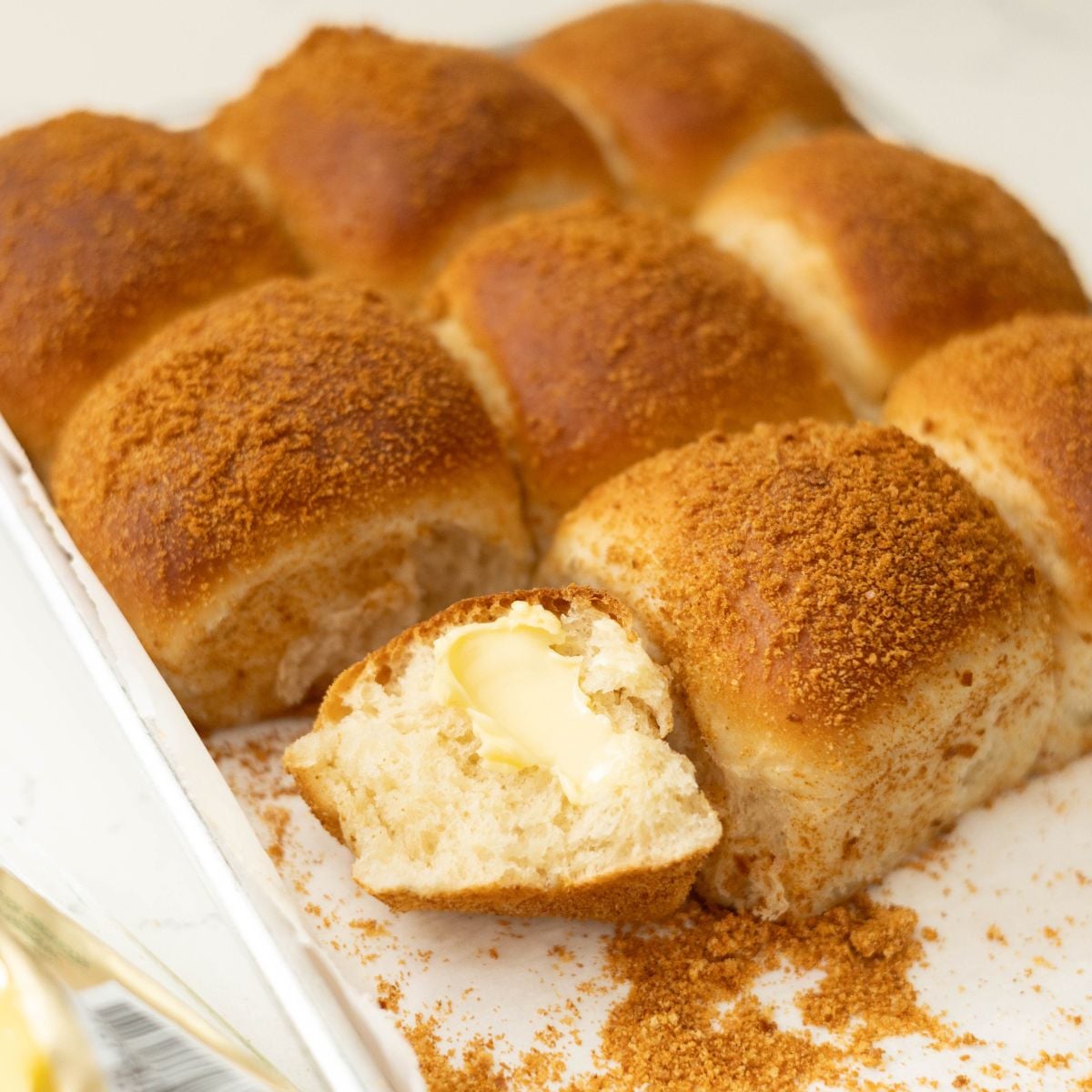
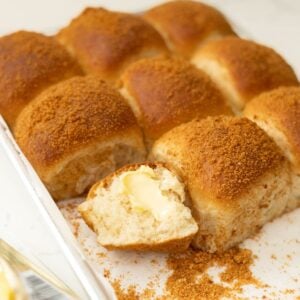
These soft, slightly sweet Filipino bread rolls are what mornings in the Philippines smell like. Pandesal is the everyday bread you dip in coffee, spread with butter, or fill with cheese, bakeries sell them warm by the bagful starting at 4 AM, and they're gone by lunch. This recipe gives you that same pillowy texture and breadcrumb-dusted crust at home, in about 2 hours start to finish.
I tested this with all-purpose flour only, bread flour only, a combination of both, and with and without mashed potato. My favorite uses half of each flour plus the mashed potato, soft rolls with just enough structure, and the potato keeps them tender for days.
If you love this, try my Homemade Ube Pandesal next, same soft rolls with that sweet purple yam flavor. My Malunggay Pandesal is worth trying too, made with the tangzhong method for an even softer crumb. And if you want something sweeter, my Spanish Bread is another Filipino bakery favorite with a buttery filling rolled inside.
Save This Recipe 💌
Jump to:
What is Pandesal?
Pandesal (or pan de sal, meaning "salt bread") is the most iconic bread in the Philippines: small, oval rolls with a soft interior and a slightly crunchy breadcrumb coating. Despite the name, they're lightly sweet, not salty, the "sal" is historical, from when the dough had more salt than sugar in it.
If you've never had one, think somewhere between a dinner roll and a Hawaiian sweet roll, tender and fluffy, but much less sweet.
They're sold fresh every morning at Filipino bakeries and street vendors, bought in brown paper bags, still warm, and eaten for breakfast with butter, cheese, or black coffee for dunking. This homemade version tastes like the good bakery pandesal, soft, airy, just sweet enough.
Why You'll Love This
- Beginner-friendly: No stand mixer needed. Mix, knead by hand, shape, bake.
- Soft and fluffy: Milk and butter keep these rolls tender for days.
- Lightly sweet: Brown sugar gives a gentle sweetness, not dessert-level.
- That breadcrumb crust: Rolling in breadcrumbs before baking is what gives pandesal its signature texture.
- Freezer-friendly: Make a batch, freeze half, reheat as needed.
- Tested multiple ways: I baked this with different flour combinations, so you know exactly what to expect from each one.
Ingredients
- All-Purpose Flour or Bread Flour: Here's what testing showed: all-purpose only gives you the softest, most delicate rolls. Bread flour only makes them chewier and sturdier, but slightly denser. Half and half (1½ cups each) is the sweet spot, soft interior with enough structure to hold up to butter or filling. That's my recommendation.
- Brown Sugar: Adds sweetness and a hint of molasses. White sugar works if that's what you have.
- Active Dry Yeast: The leavening agent. Proof it first to make sure it's alive.
- Warm Milk: 110°F is the target. Too hot kills the yeast, too cold won't activate it. If you don't have a thermometer, it should feel like warm bathwater.
- Egg: Room temperature mixes in more easily and helps with structure.
- Butter: Softened, not melted. Adds richness and keeps the rolls tender.
- Salt: Balances the sweetness and strengthens the dough.
- Breadcrumbs: Plain dried breadcrumbs, not panko, gives pandesal its signature crust.
- Mashed Potato (optional but recommended): A real difference in testing, day three pandesal made with potato was still tender, while the version without it had already started drying out. About 60 grams (¼ cup) is enough. If you're making mashed potatoes for dinner anyway, save a little for this.
See recipe card for quantities.
Substitution and Addition
- Instant yeast instead of active dry: Use the same amount and skip proofing, mix it directly into the flour. (Already confirmed in your FAQ, worth having here too since readers may not scroll that far.)
- White sugar instead of brown: Works fine, you'll lose a little of the molasses depth.
- No mashed potato on hand? Skip it, the rolls will still turn out good, just won't stay quite as soft by day three.
- All-purpose or bread flour only: Either works alone if you don't want to buy both, see the ingredient notes above for what to expect from each.
- Milk alternative: Whole milk gives the richest result, but 2% works if that's what you have.
How to Make Pandesal

- Activate the yeast. Dissolve the yeast in warm milk (110°F) with 1 tablespoon of sugar. Let it sit 5-10 minutes until frothy. If it doesn't foam, the yeast is dead, start over with a fresh batch.
- Mix the dough. In a large bowl, combine flour, brown sugar, and salt. Add the egg, softened butter, and the activated yeast mixture. Mix with a spatula until shaggy and sticky. If using mashed potato, add it now.
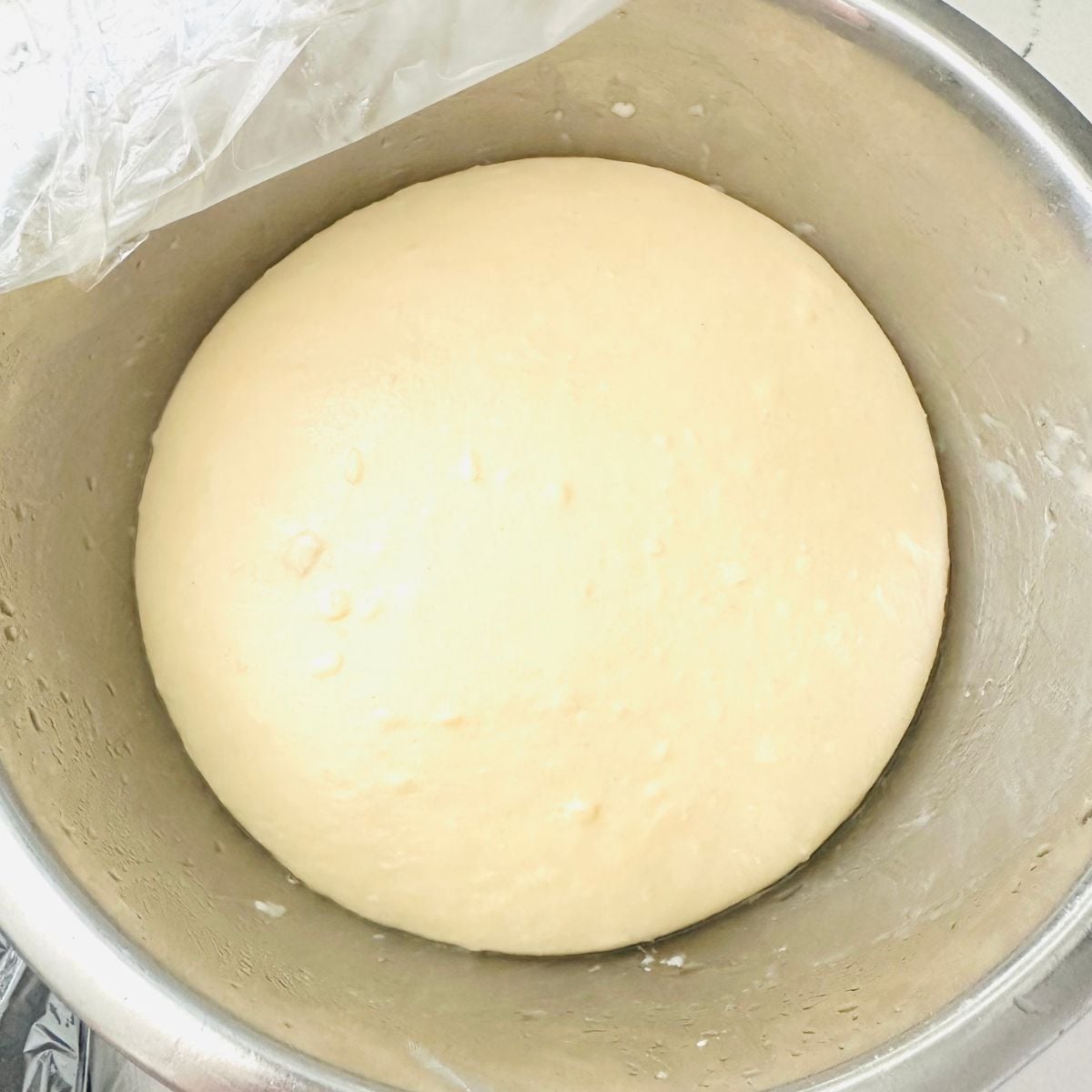
- Knead. Turn the dough onto a lightly floured surface. Knead about 10 minutes until smooth and elastic. If it's sticking, rub a little oil on your hands. The dough should spring back when pressed.
- First rise. Shape into a ball, place in an oiled bowl, cover with a kitchen towel, and let rise in a warm spot until doubled, about 1 hour.
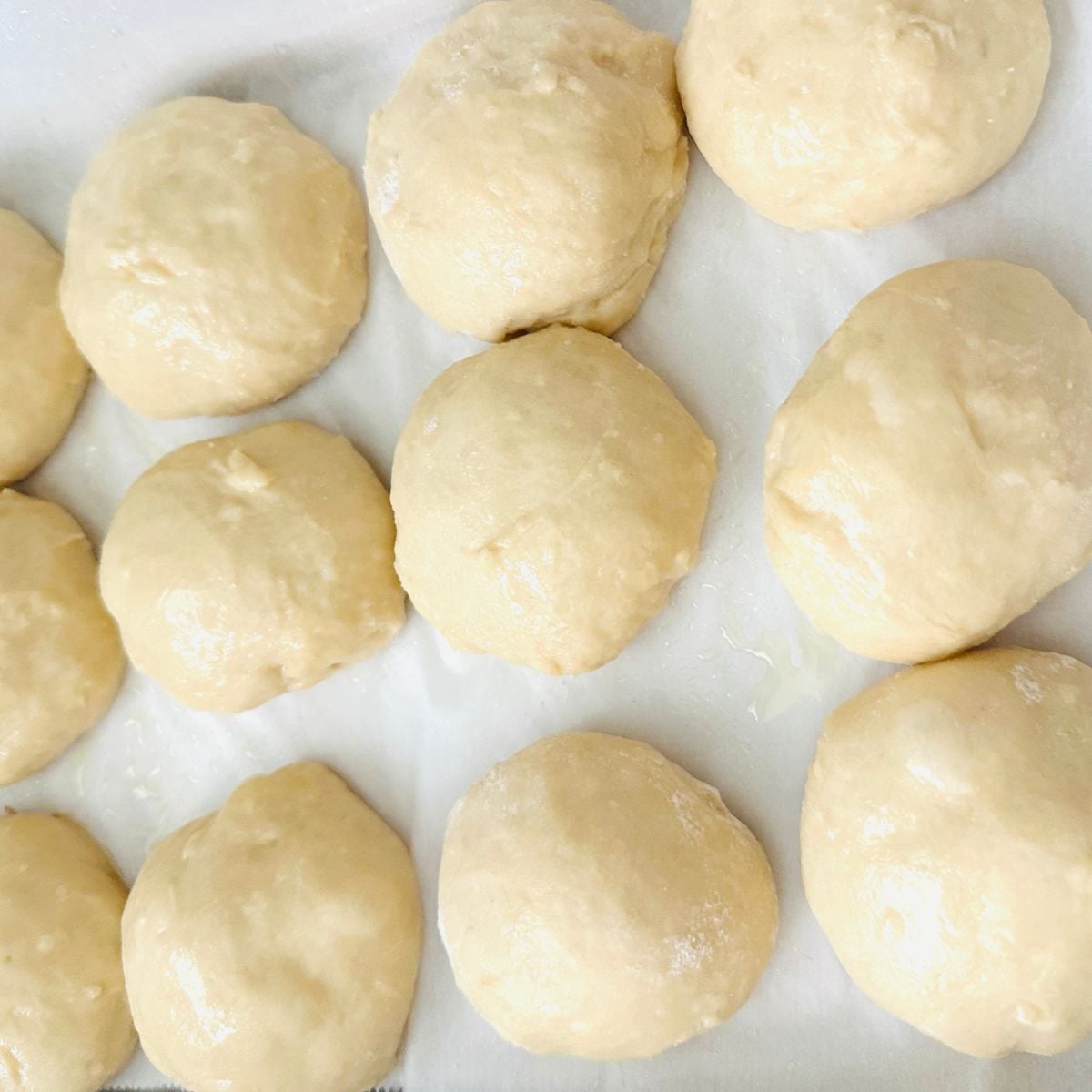
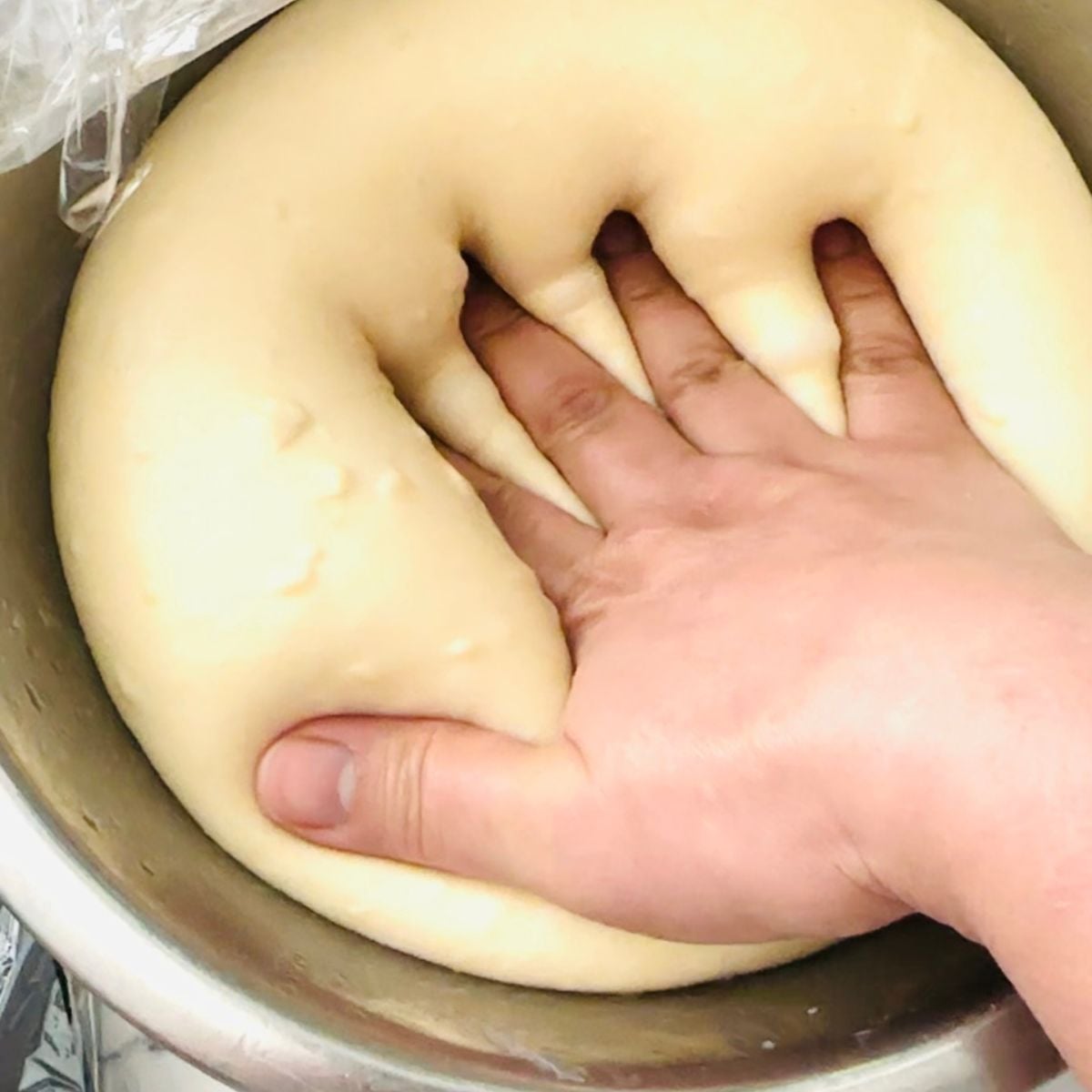
- Shape the rolls. Press the dough to release air, then knead lightly for 30 seconds. Divide into 12 equal pieces (about 70 grams each if weighing). Roll each into a smooth ball.
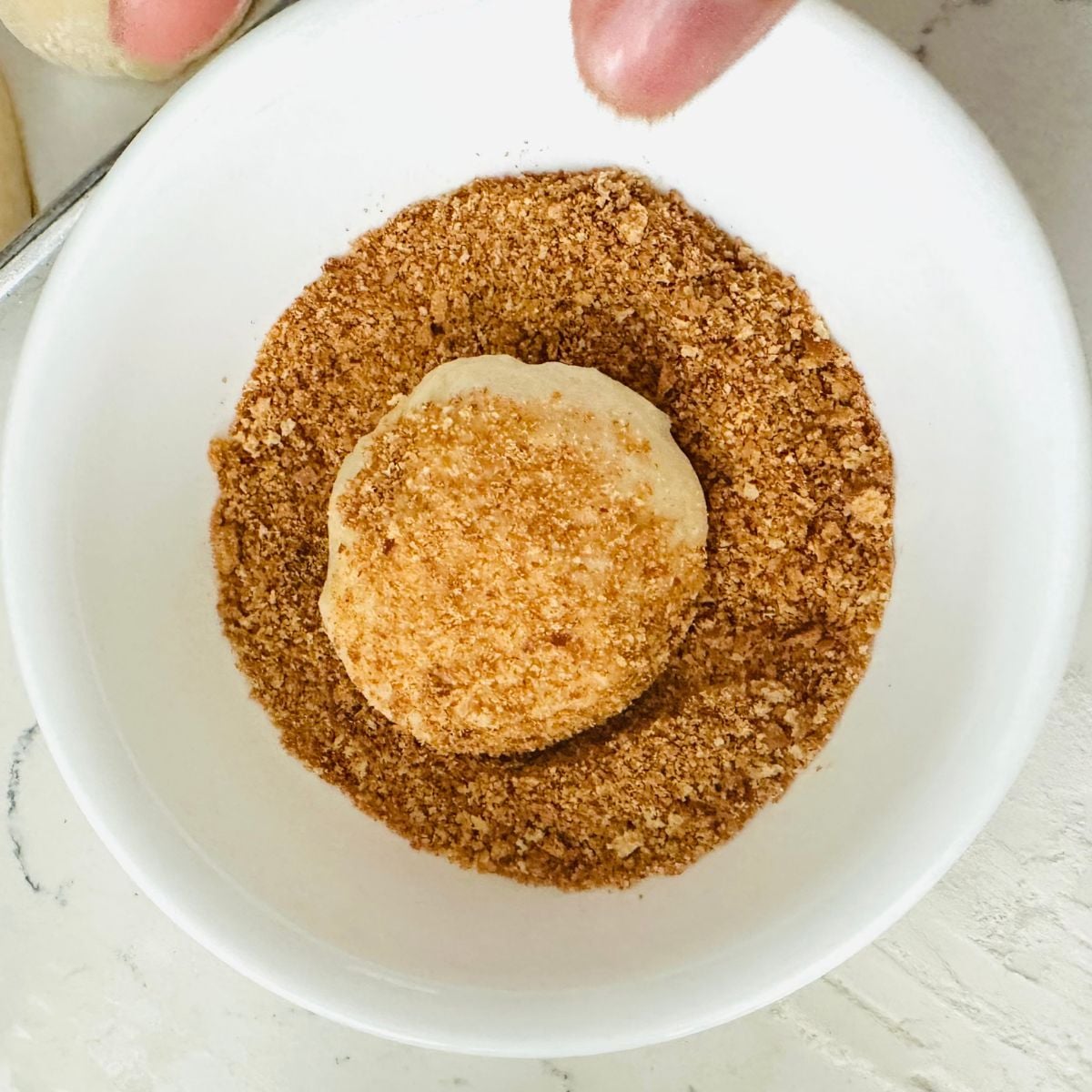
- Coat in breadcrumbs. Roll each ball in breadcrumbs until fully coated. Arrange on a parchment-lined baking sheet, 2 inches apart.
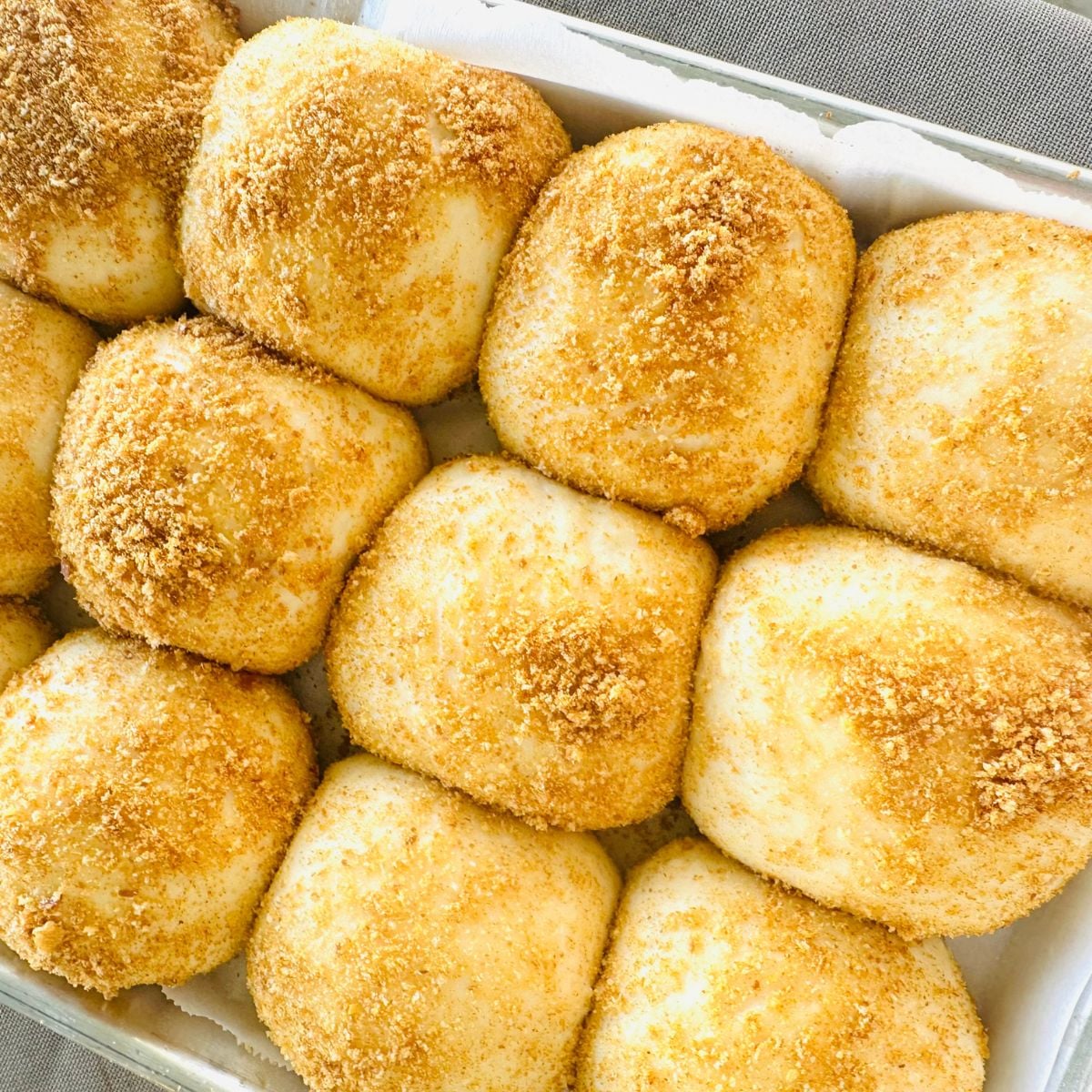
- Second rise. Cover with a kitchen towel and let rise again for 30-45 minutes until puffy.
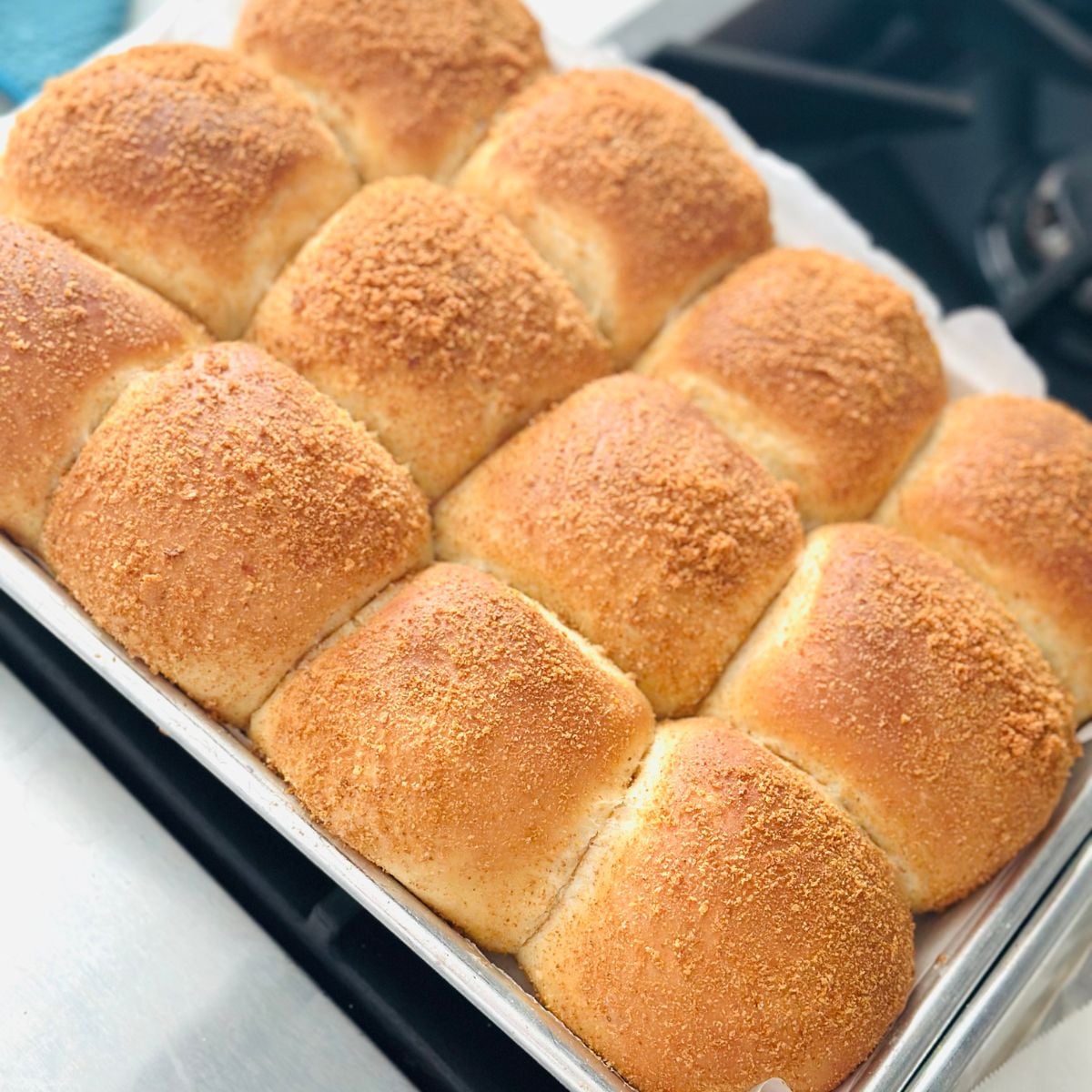
- Bake. Preheat oven to 325°F. Bake 20-22 minutes until the tops are golden brown. The rolls should sound hollow when tapped on the bottom.
Variations
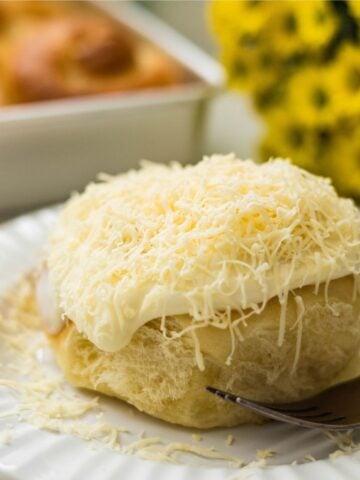
- Cheese Pandesal: Press a small cube of cheddar or Eden cheese into the center of each dough ball before rolling in breadcrumbs.
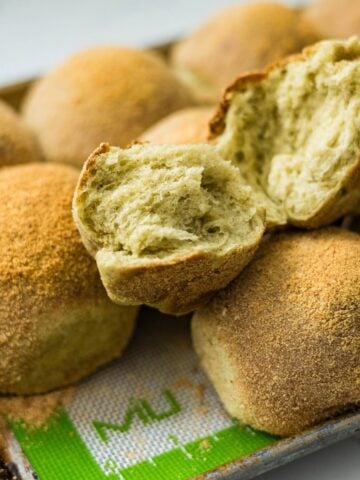
- Ube Pandesal: Add 2-3 tablespoons ube halaya and 1 teaspoon ube extract to the dough. The rolls turn light purple and slightly sweeter. Or try my full Homemade Ube Pandesal for a version built specifically around it.
- Whole Wheat Pandesal: Substitute half the all-purpose flour with whole wheat. The texture is denser, but still good.
- Malunggay Pandesal: Fold in fresh malunggay (blanched and squeezed dry), or try my Malunggay Pandesal for a tested, tangzhong-method version.
What to Serve With Pandesal
- Coffee: The everyday move. Dunk it in black coffee or instant coffee with condensed milk.
- Hot chocolate: Just as classic as coffee for dunking. My Dubai hot chocolate is a good one to try if you want something richer than the usual cup.
- Butter: Sliced warm and spread while it's still soft, simple, and it's really all it needs.
- Cheese: Stuffed with cheddar or kesong puti.
- Corned beef or pork and beans: Sautéed and stuffed inside for a heartier filling.
- Taho: A warm cup on the side rounds out a full Filipino breakfast.
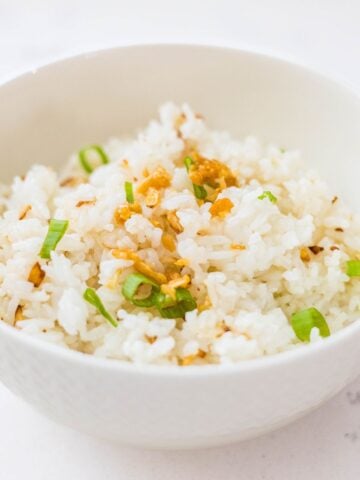
- Arroz caldo: Torn up and dipped into the porridge.
- Jam or Nutella: Turns it into a quick, sweet breakfast sandwich.
Storage
Store cooled pandesal in an airtight container or resealable bag at room temperature for up to 3 days. They're best the day they're baked, but still good toasted the next day. In the fridge, they'll keep about a week, just toast or warm them before eating since cold bread firms up.
Freezing is honestly my favorite way to store these. I always make a full batch and freeze half, that way there's fresh pandesal on hand without having to start from scratch every time. Let the rolls cool completely, place in a freezer bag, and freeze for up to 3 months. Reheat from frozen in a 300°F oven for 8-10 minutes, or microwave for 30 seconds.
Rose's Top Tips
- Use half all-purpose, half bread flour. After testing every combination, this is what I recommend. 1½ cups of each gets you soft rolls that still hold their shape.
- Don't skip the mashed potato. It's a difference you can taste and feel on day two and three, the rolls stay noticeably softer longer.
- Test your yeast before committing to the whole recipe. If it doesn't foam after 10 minutes in warm milk, it's dead. Starting over now saves you from a dough that never rises.
- Knead the full 10 minutes, even when it feels like too long. The dough should go from rough and sticky to smooth and elastic. Stop early and the rolls come out dense.
- Weigh your dough pieces if you can. 70 grams each keeps every roll baking at the same rate, eyeball it and you'll end up with some over- and under-baked.
- Don't rush the second rise. The rolls need the full 30-45 minutes to puff up, or they'll bake up dense instead of light.
- Bake at 325°F, not higher. Pandesal bakes lower and slower than most breads. More heat browns the outside before the inside finishes cooking.
Recipe FAQs
Yes. Use the same amount and skip the proofing step - mix instant yeast directly into the flour.
Three reasons: dead yeast, milk was too hot and killed the yeast, or the room is too cold. Make sure your milk is 110°F (warm but not hot) and let the dough rise in a warm spot like near a sunny window or inside an oven with just the light on.
Yes. After the first rise, punch down the dough, cover tightly, and refrigerate overnight. The next morning, let it come to room temperature for 30 minutes, then shape and proceed with the second rise.
Either the dough wasn't kneaded enough, or it didn't rise long enough. Knead for the full 10 minutes until smooth and elastic, and make sure the dough doubles in size during both rises.
Pandesal uses milk instead of water, has a subtle sweetness from brown sugar, and gets rolled in breadcrumbs before baking. The texture is softer and the flavor is slightly sweeter than American dinner rolls.
I tested all three. All-purpose gives you the softest rolls but they're delicate. Bread flour makes them chewier and sturdier but slightly denser. Half and half (1½ cups each) is my favorite - you get soft rolls with enough structure to hold up to butter and fillings.
More Filipino Bread Recipes
Looking for other recipes like this? Try these:



Did you try this recipe?
Share how it turned out in the comment box below, and if you loved it, share it on Facebook, Pinterest & Instagram.
Thank you!

Pandesal
Equipment
- measuring cups and spoons
- large mixing bowl
- Spatula
- Kitchen towel
- Baking sheet 9 x13
- parchment paper
- Shallow dish (for breadcrumbs)
- Kitchen scale (optional but recommended)
Ingredients
- 3 cups all-purpose flour or bread flour or 1½ cups of each for best results
- ¼ cup brown sugar
- 1 tablespoon white sugar
- 1½ teaspoons active dry yeast
- 1 cup warm milk 110°F
- 1 whole egg room temperature
- 2 tablespoons butter softened
- 1 teaspoon salt
- ¾ cup breadcrumbs for coating
- 60 grams mashed potato about ¼ cup (optional but recommended)
Instructions
- Activate the yeast: In a measuring cup, dissolve 1½ teaspoons yeast in 1 cup warm milk (110°F) with 1 tablespoon white sugar. Let sit for 5-10 minutes until frothy.1 tablespoon white sugar, 1½ teaspoons active dry yeast, 1 cup warm milk
- Mix the dough: In a large bowl, combine 3 cups flour, ¼ cup brown sugar, and 1 teaspoon salt. Add 1 egg, 2 tablespoons softened butter, and the activated yeast mixture. Mix with a spatula until shaggy and sticky. Add ¼ cup mashed potato if using and mix in.3 cups all-purpose flour or bread flour, ¼ cup brown sugar, 1 whole egg, 2 tablespoons butter, 1 teaspoon salt, 60 grams mashed potato
- Knead: Turn dough onto a lightly floured surface. Knead for about 10 minutes until smooth and elastic. Rub oil on hands if sticking. The dough should bounce back when pressed.
- First rise: Shape dough into a ball, place in an oiled bowl, cover with a kitchen towel, and let rise in a warm spot until doubled in size, about 1 hour.
- Shape the rolls: Gently press dough to release air, then knead lightly for 30 seconds. Divide into 12 equal pieces (about 70 grams each). Roll each piece into a smooth ball.
- Coat in breadcrumbs: Pour ¾ cup breadcrumbs into a shallow dish. Roll each dough ball in breadcrumbs until fully coated. Arrange on a parchment-lined baking sheet, leaving about 2 inches between each roll.¾ cup breadcrumbs for coating
- Second rise: Cover the baking sheet with a kitchen towel and let the rolls rise for 30-45 minutes until puffy.
- Bake: Preheat oven to 325°F. Bake for 20-22 minutes until tops are golden brown and rolls sound hollow when tapped on the bottom.
- Cool and serve: Let cool slightly before serving warm with butter, cheese, or your favorite filling.

Rose Sioson says
I’d love to hear what you think if you make this pandesal recipe! I like adding mashed potato because it helps make the rolls extra soft and fluffy, but they still turn out really good even without it. If you try it, leave a rating and let me know how it went for you.