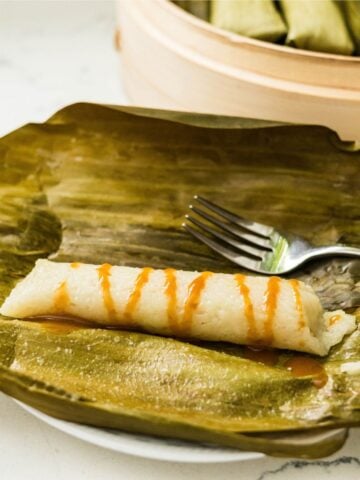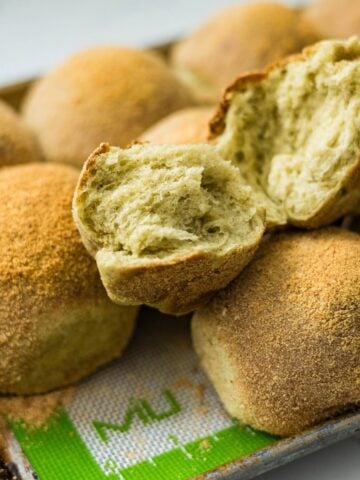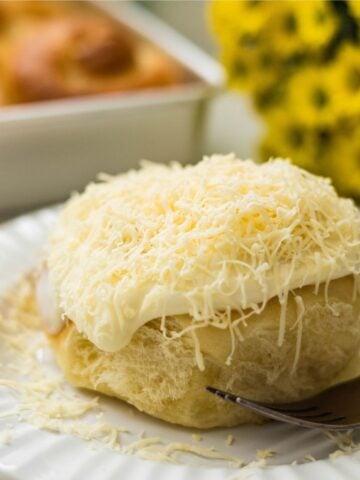
There's something about Kapampangan Tocino that makes breakfast feel special. Maybe it's the sweet caramelized edges, or the way the garlic and sugar coat each piece of pork. Either way, it beats anything you can buy at the store.
I grew up with Filipino breakfasts that felt like celebrations - tocino, sweet longganisa, steamed puto, pandesal dipped in coffee. Tocino was always the main event. Sweet, garlicky, and caramelized just right, served with garlic fried rice and a fried egg.
Making it at home is easier than you think. You marinate the pork overnight, then cook it using the traditional Pampanga method - boil first, then fry when the water evaporates. The sugar caramelizes, the meat stays tender, and you get that perfect sweet-savory balance without any preservatives or weird additives.

Save This Recipe 💌
Jump to:
Why You'll Love Kapampangan Tocino
- Better than store-bought - Homemade tocino doesn't shrink down to nothing or taste like chemicals. You control what goes in.
- Sweet and savory perfection - Brown sugar and garlic create caramelized edges with tender meat inside
- Easy to make ahead - Marinate overnight (or up to 3 days), then cook in 20 minutes when you're ready
- No preservatives needed - Traditional recipes used saltpeter, but this version uses only pantry ingredients
- Authentic Pampanga method - Boil-then-fry technique keeps meat tender while creating that signature caramelized crust
- Tocilog ready - Serve with garlic fried rice and fried egg for the classic Filipino breakfast combo
What is Tocino?
Tocino (pronounced toh-see-noh) is a Filipino dish, primarily from Pampanga, known for its sweet, cured meat, usually pork or chicken.
It has become a staple breakfast item throughout the Philippines and is often served with sinangag (garlic fried rice) and a fried egg—known as the famous "silog" combination, tocino-silog!
The dish is thought to have Spanish roots, with tocino being the Spanish word for bacon. However, the Filipino version uses a sweet marinade, creating a unique flavor loved across the country.
Ingredients You'll Need

- Boneless Pork Shoulder butt (kasim): This is the traditional cut for tocino. It has the right balance of fat and meat - not too lean like tenderloin (lomo), not too fatty like pork belly.
- Brown Sugar: Creates the signature sweet flavor and caramelized crust. You can substitute with white sugar, honey, or coconut sugar, but brown sugar gives the best traditional flavor and color.
- Garlic: Adds that garlicky punch that balances the sweetness. Fresh garlic is best, but garlic powder works in a pinch.
- Soy Sauce and Oyster Sauce: Add umami depth and saltiness. The combination creates a more complex flavor than using just one. If you don't have oyster sauce, use extra soy sauce or a splash of fish sauce.
- Pineapple Juice: Does two jobs: tenderizes the meat (the bromelain enzyme breaks down tough muscle fibers) and adds fruity sweetness. Apple juice or orange juice work as substitutes.
- Annatto Powder: Gives tocino its signature reddish-orange color. This is purely for looks and doesn't affect taste. You can skip it, use red beet powder or add banana ketchup for natural color.
See recipe card for quantities.
Step-by-Step Instructions

- In a bowl, combine pork, pineapple juice, brown sugar, soy sauce, oyster sauce, garlic, salt, pepper and annatto powder.

- Mix well until the pork or chicken is well coated. Cover the bowl and marinate in the refrigerator overnight or for at least 6 hours.

- Heat a non-stick pan over medium heat. Add a little cooking oil to coat the pan. Once hot, add the marinated chicken pieces in a single layer and add ¼ cup water.

- Cover and simmer for 10-15 minutes.
- Remove the cover and let the sauce reduces. It will start to caramelize and coat the pork pieces. Flip occasionally to evenly coat the meat with the caramelized sauce.

- Transfer the Chicken Tocino to a serving platter. Serve hot with garlic fried rice or steamed white rice.
Rose's Top Tips
- Cut against the grain - This is crucial for tender tocino. Look at the pork shoulder and identify which way the muscle fibers run. Slice perpendicular to those fibers (across them), not parallel. This shortens the muscle fibers, making each bite more tender.
- ¼ inch thickness - This is the sweet spot. Thinner than ¼ inch and the tocino can dry out or burn. Thicker and it won't caramelize properly or absorb the marinade as well.
- Massage the marinade - Don't just toss the pork in the marinade and call it done. Spend a full minute massaging the marinade into every piece. This helps it penetrate the meat better. Use gloves if you're using annatto powder to avoid staining your hands.
- Room temperature before cooking - Take the marinated pork out of the fridge 30 minutes before cooking. This helps it cook more evenly. Cold meat straight from the fridge can seize up and get tough.
- Overnight minimum, 3 days maximum - The minimum is 6 hours, but overnight (12-24 hours) is ideal for good flavor. For even deeper flavor, you can marinate up to 3 days in the fridge.
- Ziplock bag method - Transfer the pork and marinade to a large ziplock bag instead of a bowl. Squeeze out excess air, seal it, and lay it flat in the fridge. This makes it easy to flip and massage the bag occasionally, ensuring even marination. Plus it saves fridge space.
- Freeze marinated meat for storage - You can freeze the marinated (uncooked) tocino in ziplock bags for up to 3 months. Thaw in the fridge overnight before cooking. This is great for meal prep.
- Boil-then-fry is traditional - The Pampanga way is to add water first, simmer until tender, then let it fry when the water evaporates. This keeps the meat tender while creating that caramelized crust. Don't skip the water step - pan-frying straight in oil can make the outside burn before the inside cooks through.
- Watch the caramelization closely - Once the water evaporates and the sugar starts to caramelize, things happen fast. Stay by the stove and flip the pieces regularly. The line between perfectly caramelized and burnt is thin.
- Low heat if burning too fast - If you see the sugar darkening too quickly or starting to smoke, immediately lower the heat to medium-low. Better to take a few extra minutes than to burn your batch.
Storage
- Refrigerator (cooked): Store cooked tocino in an airtight container in the fridge for up to 3-4 days. Reheat in a pan over medium heat or microwave until heated through to 165°F.
- Freezer (cooked): Freeze cooked tocino for up to 2 months. Let cool completely, then freeze in portion sizes. Thaw in the fridge overnight and reheat.
- Freezer (marinated, uncooked): This is the best meal prep option. Divide marinated pork into ziplock bags (enough for one meal per bag), squeeze out air, label with the date, and freeze for up to 3 months. Thaw in the fridge overnight before cooking. You can also freeze it in the marinade right after mixing.
- Room temperature: Don't leave cooked tocino out for more than 2 hours at room temperature.
Serving Suggestions
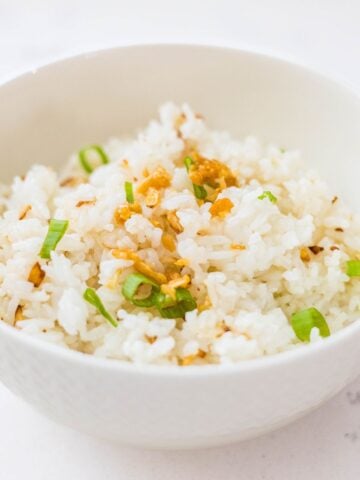
- Classic tocilog - The traditional Filipino breakfast combo. Serve tocino with garlic fried rice (sinangag) and a fried egg (itlog) with a runny yolk. This is how tocino is meant to be eaten.
- With ensalada (tomato salad) - The brightness cuts through the sweetness perfectly.
- Spiced vinegar dip - A Filipino staple that adds tang and heat.
- Feeding a crowd - A fried egg per person gets slow when you are cooking for six. I bake a cottage cheese egg casserole instead, slice it into squares, and set it out next to the tocino and rice.
Round out your Filipino breakfast spread with Vigan Longganisa alongside the tocino for a full silog experience."
Troubleshooting
Why is my tocino too sweet?
- You may have used too much sugar or didn't add enough salt to balance. Next time, reduce brown sugar to ½ cup or add an extra teaspoon of salt and a tablespoon of vinegar to cut the sweetness.
- To fix, serve with spiced vinegar or ensalada to balance the sweetness.
Why did my tocino burn?
- The heat was too high during the caramelization phase. Sugar burns easily.
- You didn't add enough water at the start, so the sugar started caramelizing before the meat was cooked through.
- To fix, lower heat to medium or medium-low once the water evaporates. Watch it closely and flip frequently.
Why is my tocino tough and chewy?
- You cut it with the grain instead of against the grain.
- You cooked it at too high heat for too long, drying it out.
- You skipped the boiling phase and went straight to frying.
- The pork was too lean (like tenderloin).
- Fix: Use pork shoulder, cut against the grain, and always boil first before frying.
Why isn't my tocino caramelizing?
- There's too much liquid in the pan. Keep cooking uncovered until most of it evaporates.
- The heat is too low. Increase to medium or medium-high once the water is mostly gone.
- The pork was too wet when you added it (didn't drain marinade excess).
- Fix: Increase heat and let the liquid reduce fully before expecting caramelization.
Can I make tocino without pineapple juice?
- Yes. Use apple juice, orange juice, or even just water. The pineapple juice tenderizes and adds flavor, but it's not essential. You may need to marinate a bit longer without it.
Why is my tocino not red?
- You didn't use annatto powder or any food coloring. That's fine - the color is just for looks. It will be brown but taste the same.
- Fix: Use 1 teaspoon beet powder, ¼ cup banana ketchup, or a few drops of red food coloring if you want the traditional red color.
Can I cook tocino in an air fryer?
- Yes! Preheat air fryer to 375°F. Arrange marinated tocino in a single layer in the basket. Cook for 12-15 minutes, flipping halfway, until browned and caramelized. Watch for burning since air fryers cook hot and fast.
How do I know when tocino is done?
- The internal temperature should reach 145°F for pork (use a meat thermometer).
- The meat should be browned and caramelized on the outside, and no longer pink inside.
- It should be tender enough to cut easily with a fork but still have some chew.
Why does store-bought tocino shrink but mine doesn't?
- Commercial tocino is often injected with water and liquid marinade to increase weight (and price). When cooked, all that water evaporates and the meat shrinks dramatically. Homemade tocino has no added water, so it barely shrinks - you get what you pay for in meat.
More Filipino Pork Recipes



Did you try this recipe?
Share how it turned out in the comment box below, and if you loved it, share it on Facebook, Pinterest & Instagram.
Thank you!


Kapampangan Tocino (Easy Filipino Sweet Pork)
Equipment
- 1 frying pan
Ingredients
- 2 pounds Boneless Pork Shoulder butt kasim or Boneless Chicken Thighs
- ¾ cup Brown Sugar
- 4 cloves Garlic
- ¼ cup Soy Sauce
- 2 tablespoon Oyster Sauce
- 1 cup Pineapple Juice
- 3 teaspoon Salt
- ½ teaspoon black pepper
- 2 teaspoon Annatto Powder
Instructions
- In a bowl, combine pork, pineapple juice, brown sugar, soy sauce, oyster sauce, garlic, salt, pepper and annatto powder.2 pounds Boneless Pork Shoulder butt, ¾ cup Brown Sugar, 4 cloves Garlic, ¼ cup Soy Sauce, 2 tablespoon Oyster Sauce, 1 cup Pineapple Juice, 3 teaspoon Salt, ½ teaspoon black pepper, 2 teaspoon Annatto Powder
- Mix well until the pork or chicken is well coated. Cover the bowl and marinate in the refrigerator overnight or for at least 6 hours.
- Heat a non-stick pan over medium heat. Add a little cooking oil to coat the pan. Once hot, add the marinated chicken pieces in a single layer and add ¼ cup water.
- Cover and simmer for 10-15 minutes.
- Remove the cover and let the sauce reduces. It will start to caramelize and coat the pork pieces. Flip occasionally to evenly coat the meat with the caramelized sauce.
- Transfer the Chicken Tocino to a serving platter. Serve hot with garlic fried rice or steamed white rice.
Save This Recipe 💌
Notes
- Marinate overnight for deeper flavor and tenderness.
- Use low heat when caramelizing to prevent burning the sugar.
- No annatto powder? Substitute paprika for color.
- Sub pineapple juice with apple juice or orange juice in a pinch.
- Leftovers keep in the fridge up to 3 days, or freeze up to 1 month.