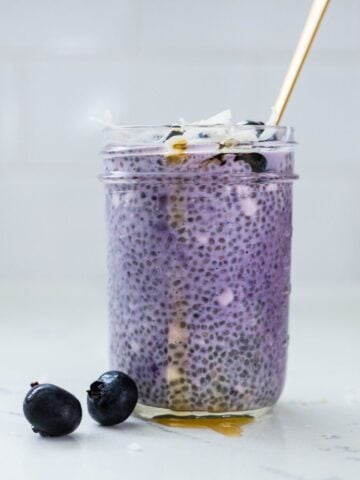
Love ube? Love champorado? This Ube Champorado brings them together in one creamy, comforting bowl, with that cozy vibe you’d expect from a classic Filipino breakfast.
It's a twist on the traditional chocolate version, swapping cocoa for earthy-sweet purple yam. The result is rich, vibrant, and just as satisfying. Perfect for breakfast, merienda, or dessert.

Save This Recipe 💌
Jump to:
What is Champorado?
Champorado (cham-poh-RAH-doh) is a sweet rice porridge from the Philippines, often served for breakfast. It has roots in Mexican chocolate-based champurrado, which made its way to the Philippines during the Spanish colonial period.
Traditionally made with sticky rice and tablea (local chocolate tablets), champorado has evolved into various modern versions. This ube twist swaps the chocolate for purple yam, giving you the same creamy, comforting texture with a different flavor profile.
Over time, champorado became a staple in many Filipino households. It's loved for its rich flavor, comforting texture, and the classic sweet-salty pairing when served with tuyo (dried salted fish).
Why You'll Love This Recipe
- Quick and easy - About 20 minutes of cooking once the rice is soaked
- Stunning purple color - A show-stopper at any meal
- Comfort food - Warm, creamy, and satisfying
- Naturally gluten-free - Glutinous rice contains no gluten despite the name
- Easily made vegan - Swap to plant-based milk and skip condensed milk toppings
- Versatile - Works for breakfast, merienda, or dessert
Ingredients
- Glutinous rice (sweet rice/sticky rice) : This gives champorado its signature chewy, creamy texture. Don’t substitute with regular rice or the consistency won’t be right. The same rice cooked in coconut milk and rolled in banana leaves becomes suman malagkit, so if you have some left in the bag, that’s an easy second use.
- Ube extract: Boosts the purple color and intensifies the ube flavor.
- Ube Halaya or Jam (Optional): dds ube flavor, sweetness, and that beautiful purple color. Sweetness varies by brand, so taste before adding extra sugar.
- Coconut Milk: Adds creaminess and that classic Filipino flavor. Use full-fat for best results.
- Sugar: To balance the earthiness of the ube. Use white, brown, or coconut sugar. Adjust based on how sweet your halaya is.
Substitutions and Variations
Milk Swaps: Use almond milk or oat milk for a lighter version, or coconut cream for extra richness.
Sugar Swaps: Swap in brown sugar or coconut sugar for deeper flavor, or use honey/maple syrup for a different sweetness.
How To Make Ube Champorado
- Wash the rice: Place the glutinous rice in a bowl and rinse with cold water. Swirl, drain, and repeat 3-5 times until the water runs mostly clear. This removes excess starch and prevents the champorado from being gummy.
- Soak the Rice: Cover the washed rice with fresh water and let it soak for at least 1 hour. Overnight is even better. Soaking gives you the creamiest, softest texture.
- Cook the Rice: Drain the soaked rice. In a pot, bring fresh water to a boil. Add the rice and cook over medium heat, stirring occasionally, until the rice is soft and sticky (about 10-15 minutes). Stir regularly to prevent sticking.
- Add Ube Flavor and coconut milk: Once the rice is tender, stir in the coconut milk, ube halaya, ube extract (if using), and sugar. Mix until the ube is fully incorporated and the champorado turns that beautiful purple color. Continue cooking for another 5 minutes.
- Adjust consistency and sweetness: Taste and adjust. Add more sugar if needed. If it's too thick, add a splash of water or coconut milk. If it's too thin, cook a bit longer - the rice will continue to absorb liquid.
- Serve: Ladle into bowls while warm. Top with a drizzle of evaporated milk, condensed milk, or coconut milk. Serve with crispy tuyo or bacon on the side for that sweet-salty contrast.
Variations
- Chocolate-Ube Champorado: Add cocoa powder or melted chocolate for a delightful chocolate-ube mix.
- Ube and Jackfruit Champorado: Toss in some diced jackfruit for a fruity, tropical twist.
- Vegan Champorado: Swap regular sugar with coconut sugar and use plant-based milk like almond or soy milk.
- Ube Banana Champorado: Add slices of banana for extra sweetness and texture.
- Ube and Pandan: Mix ube extract with a touch of pandan for a blend of earthy flavors.
Toppings and Pairings
Classic Milk Toppings:
- Evaporated milk - The most traditional drizzle
- Condensed milk - For extra sweetness
- Powdered milk - Sprinkled on top (try this!)
- Coconut milk - For a dairy-free option
Savory Pairings (the sweet-salty magic):
- Tuyo (dried herring) - The classic Filipino pairing
- Dilis (dried anchovies) - Crispy and salty
- Danggit (dried rabbitfish) - Another traditional option
- Crispy bacon - A modern twist that works surprisingly well
- Fried eggs - Adds savory richness
Other Toppings:
- Toasted coconut flakes
- Fresh mango slices
- Sliced bananas or fried saba
- A sprinkle of cheese (yes, really - Filipinos love cheese on sweet things!)
Storage and Reheating
Refrigerator: Store leftover ube champorado in an airtight container for up to 3 days.
Freezer: Freeze for up to 3 months. Thaw overnight in the fridge before reheating.
Reheating: Warm on the stovetop or in the microwave. Add a splash of water or milk to loosen it up - the rice absorbs liquid as it sits, so leftovers will be much thicker than when freshly made.
Rose's Top Tips
- Wash the rice thoroughly - 3-5 rinses until water runs clear. This prevents gummy texture.
- Soak for at least 1 hour - Overnight is best for the creamiest results.
- Stir regularly while cooking - Prevents the rice from sticking to the bottom.
- Taste your halaya first - Sweetness varies by brand. Adjust sugar accordingly.
- Don't skip the salt - A tiny pinch enhances all the flavors.
- Serve immediately for best texture - Champorado thickens as it cools.
Recipe FAQs
Champorado is a creamy, sweet rice porridge with rich, chocolatey or earthy flavors depending on whether it’s made with cocoa or ube. It’s comforting, indulgent, and perfect for breakfast or dessert.
Filipino Champorado originated from the Mexican champurrado, which was brought to the Philippines during the Spanish colonial period. Over time, Filipinos adapted the dish, replacing chocolate with ingredients like ube to create unique versions.
Champorado has its roots in Spanish and Mexican cuisine, but it has become a beloved Filipino dish. The Filipino version often uses glutinous rice and has evolved into a sweet rice porridge.
Ube, or purple yam, has a sweet, earthy flavor that is commonly used in Filipino desserts like ice cream, cakes, and champorado. Its vibrant purple color also makes it visually appealing and fun to use in various recipes.
Tuyo, a salty dried fish, is paired with champorado to create a contrasting balance of sweet and salty flavors. This savory-sweet combo is a popular Filipino breakfast tradition.
More Breakfast Ideas


Did you try this recipe?
Share how it turned out in the comment box below, and if you loved it, share it on Facebook, Pinterest & Instagram.
Thank you!


Ube Champorado (Sweet Rice Porridge)
Equipment
- 1 small pot
Ingredients
- ½ cup sweet rice/ glutinous rice
- 2 cups water
- 1 teaspoon ube extract
- ½ cup coconut milk
- ¼ cup sugar
- ⅓ cup ube halaya optional
Instructions
- Rinse the glutinous rice until water runs clear
- Soak the Rice: Start by soaking the sweet rice in water for at least 1 hour or overnight for best results.
- Cook the Rice: In a pot, bring water to a boil. Drain the soaked rice and add it to the pot. Cook until the rice becomes soft and sticky, stirring occasionally.½ cup sweet rice/ glutinous rice, 2 cups water
- Add Ube Flavor and coconut milk: Stir in the coconut milk, ube extract and sugar, adjusting sweetness to taste. Continue to cook until everything is well incorporated.1 teaspoon ube extract, ½ cup coconut milk, ¼ cup sugar
- Optional Ube Jam: If using, swirl in ube jam for extra flavor and texture.⅓ cup ube halaya
- Serve: Top with a drizzle of coconut milk and enjoy warm!
Save This Recipe 💌
Notes
- Elevate your champorado with condensed milk, evaporated milk, powdered milk or a sprinkle of grated coconut.
- Soak the rice for at least 1 hour to overnight before cooking for the creamiest texture.
- Stir the rice regularly while cooking to prevent it from sticking to the bottom of the pot.
- Adjust sweetness to your preference by adding more or less sugar.