My kids will eat anything wrapped in a lumpia wrapper. Vegetables on their own? Harder sell.
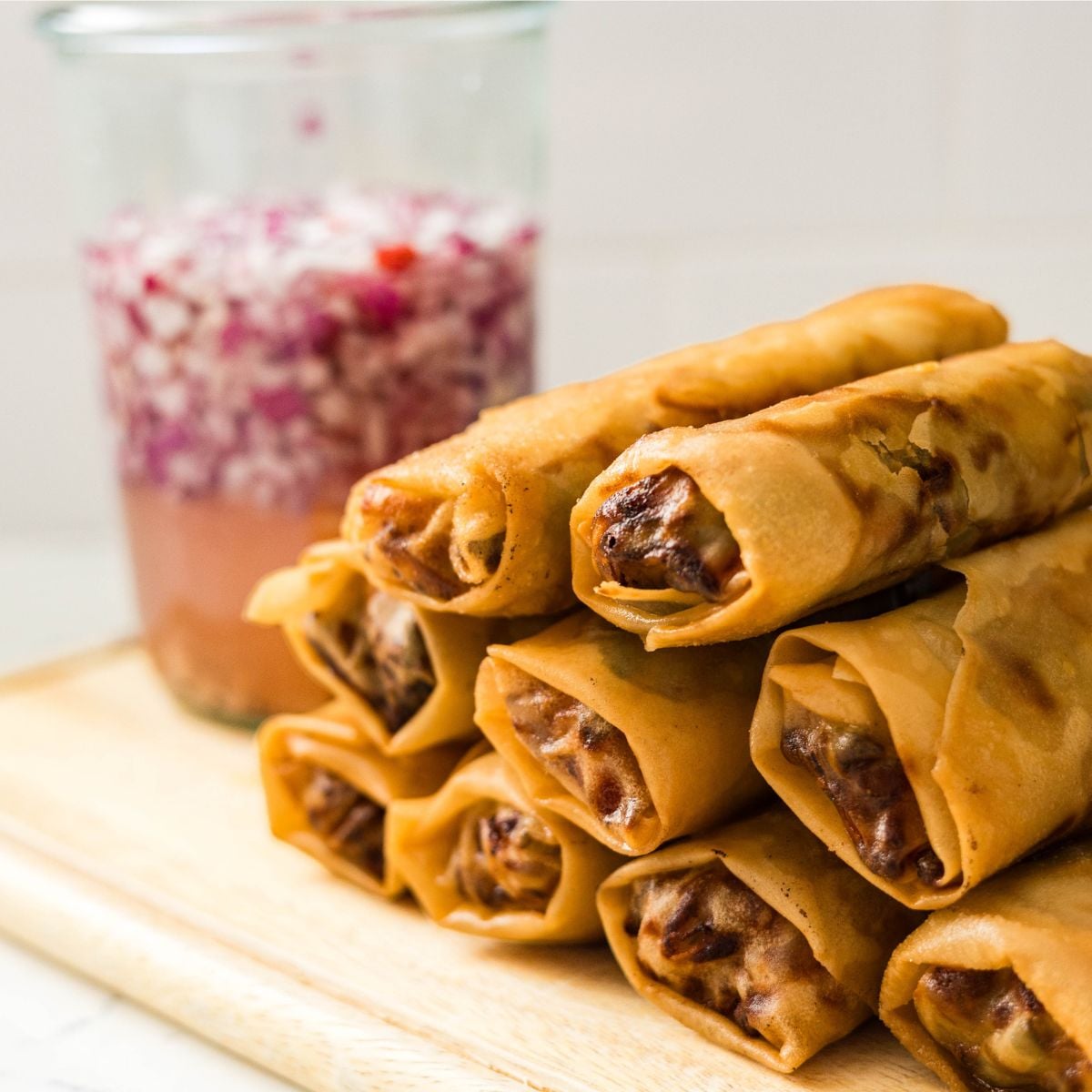
So I started making lumpiang gulay. Same crispy wrapper they already love, filled with vegetables and a little ground pork, fried until golden and served with sawsawan for dipping. It turned into one of the few vegetable dishes they actually ask for.
I keep a batch in the freezer at all times now. When someone gets hungry, I fry a few straight from frozen and they're done in minutes. No thawing, no prep.
The one thing that took me a few tries to get right was the sogginess. Vegetables release water and ground pork releases fat, and if that liquid stays in the filling it steams the wrapper from the inside. Draining before you wrap is what fixes it, and I'll show you exactly how.
Save This Recipe 💌
Jump to:
- Why This Recipe Works
- Ingredients
- Substitution and Additions
- How to Make Lumpiang Gulay
- Why Your Lumpia Gets Soggy (and How to Fix It)
- How to Wrap Lumpia
- Make Ahead and Freezing
- Dipping Sauces (Sawsawan)
- Variations
- Storage and Reheating
- What to Serve With It
- Rose's Top Tips
- Recipe FAQs
- More Filipino Vegetable Recipes
- Did you try this recipe?
- Lumpiang Gulay (Filipino Vegetable Lumpia)
Why This Recipe Works
- They stay crispy. Draining the filling before you wrap keeps the wrapper from steaming itself soft.
- Freezer ready. Wrap a big batch, freeze them raw, and fry straight from frozen when you need them.
- Kids eat their vegetables. Everything gets chopped small and wrapped in something they already like.
Ingredients
Here's what you'll need:
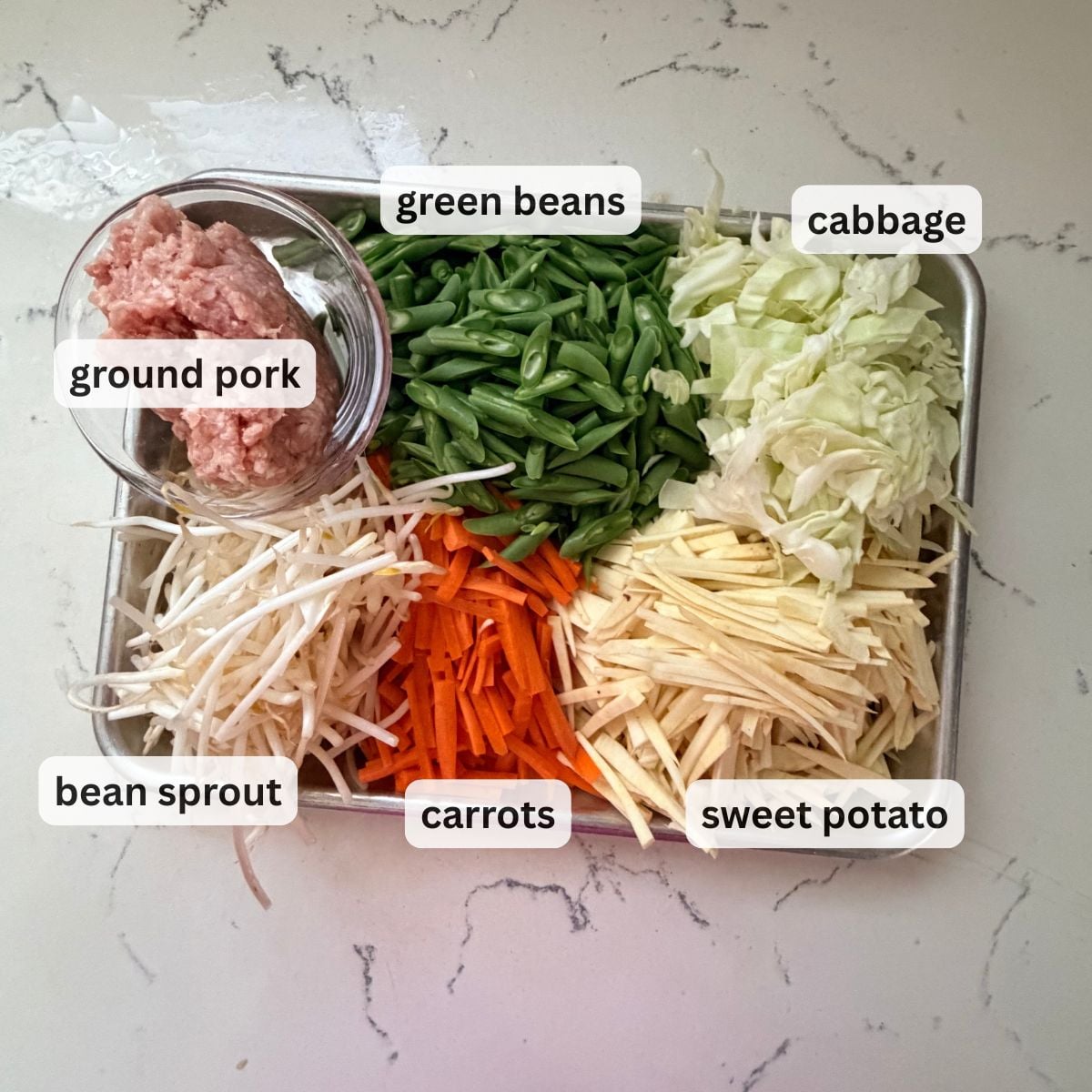
- Ground pork. Traditional in lumpiang gulay despite the name, and it does two jobs: it seasons the whole filling as it cooks, and the fat carries flavor into the vegetables. Half a pound is enough for a large batch since it is there to season, not to be the main event.
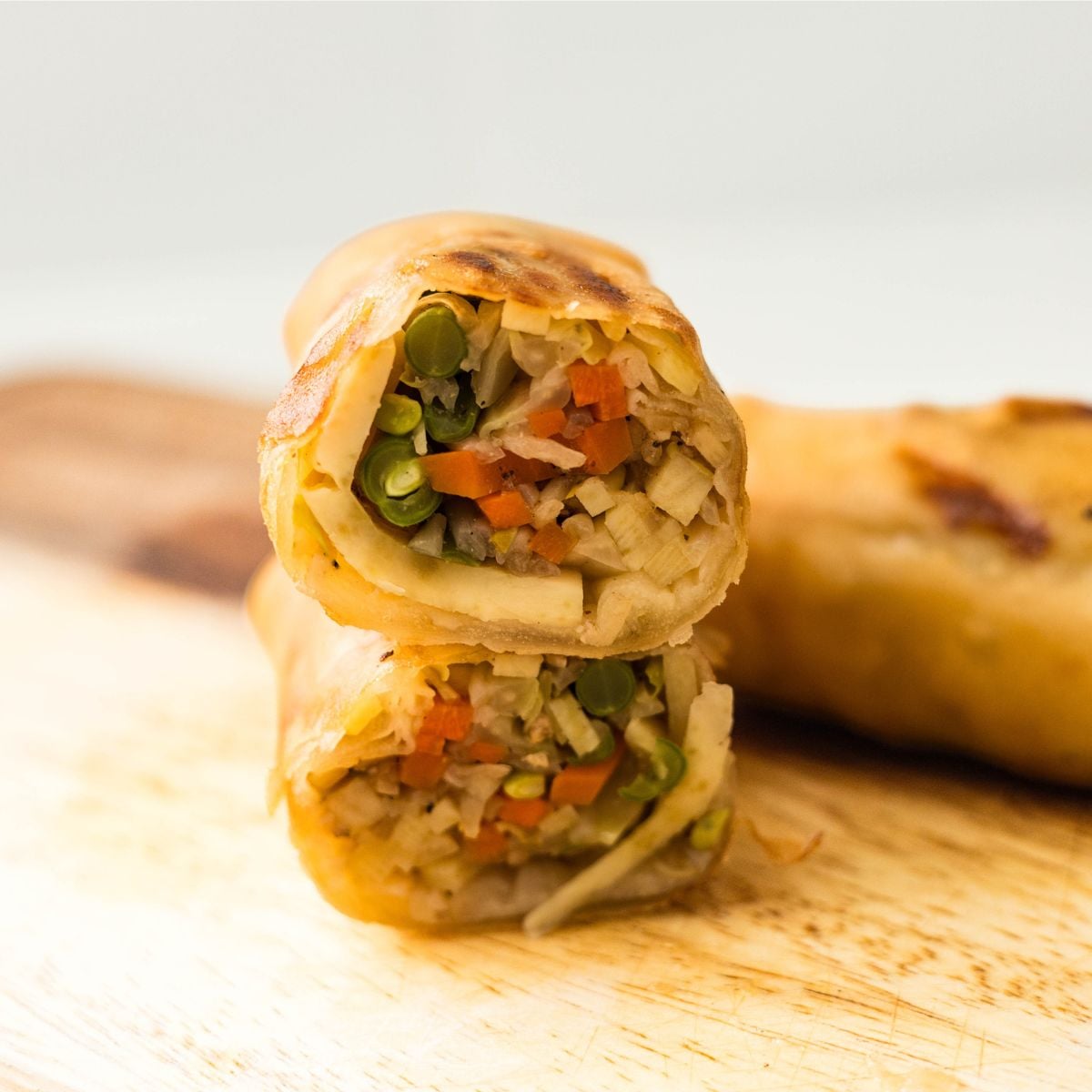
- Cabbage, carrots, and green beans. The backbone. Slice everything thin and roughly the same size so it cooks evenly and rolls tightly. Chunky pieces tear the wrapper and leave gaps that let oil in.
- Korean sweet potato. Starchier and less sweet than the orange kind, and it holds its shape instead of turning to mush. It also absorbs some of the liquid the other vegetables release, which helps with the sogginess problem. Regular sweet potato works but goes softer and sweeter.
- Bean sprouts. Added at the end so they keep some snap. They also release a lot of water, which is the main reason draining matters.
- Soy sauce and oyster sauce. Soy brings the salt, oyster sauce brings body and keeps the filling from tasting flat. Filipino soy sauce like Silver Swan is saltier than Japanese brands, so taste before adding more.
- Beef bouillon. Adds savoriness fast. Cut back on the salt at the end since the cube already brings plenty.
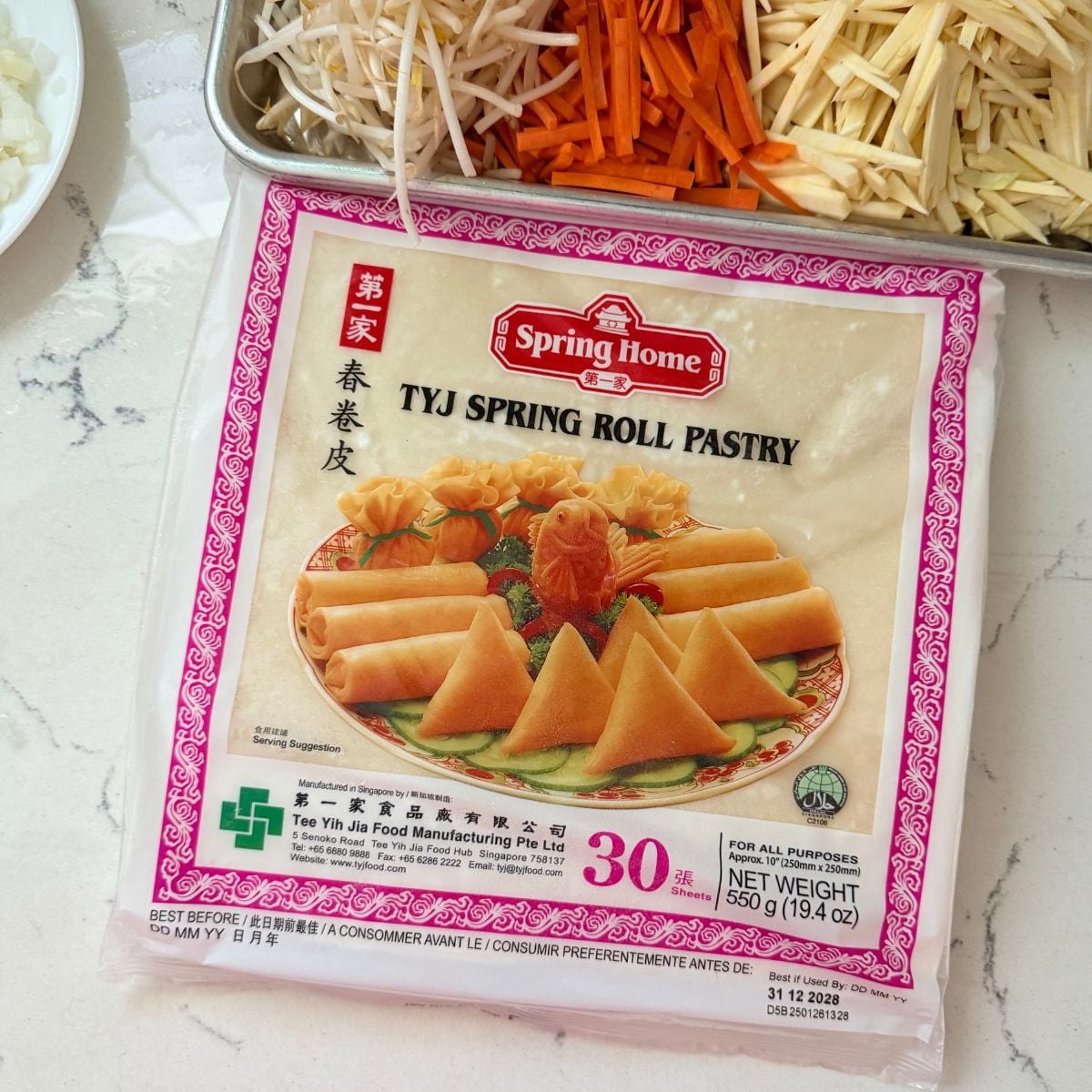
- Lumpia wrappers. Thin spring roll wrappers, not the thick egg roll kind. Thin wrappers fry up crisp and shatter when you bite them. Egg roll wrappers turn out bready.
- Oil for frying. Neutral oil, enough to come partway up the sides of the lumpia.
See recipe card for quantities.
Substitution and Additions
- No ground pork. Leave it out and add more vegetables, or use crumbled firm tofu for something with body. You will lose the fat that carries flavor, so lean harder on the soy sauce, oyster sauce, and bouillon. Note that oyster sauce is not vegetarian, so swap it for a mushroom-based version if that matters.
- Ground chicken or beef instead. Both work. Chicken is leaner and renders less fat, so the filling stays drier, which is a small advantage here.
- Shrimp. Chopped small and added with the vegetables. Traditional in a lot of versions, and it works alongside the pork rather than replacing it.
- Regular sweet potato. Softer and sweeter than Korean sweet potato. It breaks down more, so cut the pieces slightly larger to compensate.
- No bean sprouts. Skip them or add more cabbage. This also cuts down on the liquid in the filling, which makes draining easier.
- Jicama (singkamas). Traditional in many versions and it stays crunchy through frying. Adds a lot of water, so drain longer if you use it.
- No beef bouillon. More soy sauce and a little more oyster sauce will get you close. Season at the end and taste, since the bouillon was doing most of the salt work.
- Egg roll wrappers. They will work if that is what you can find, but expect a thicker, breadier result rather than a shattering crisp.
How to Make Lumpiang Gulay
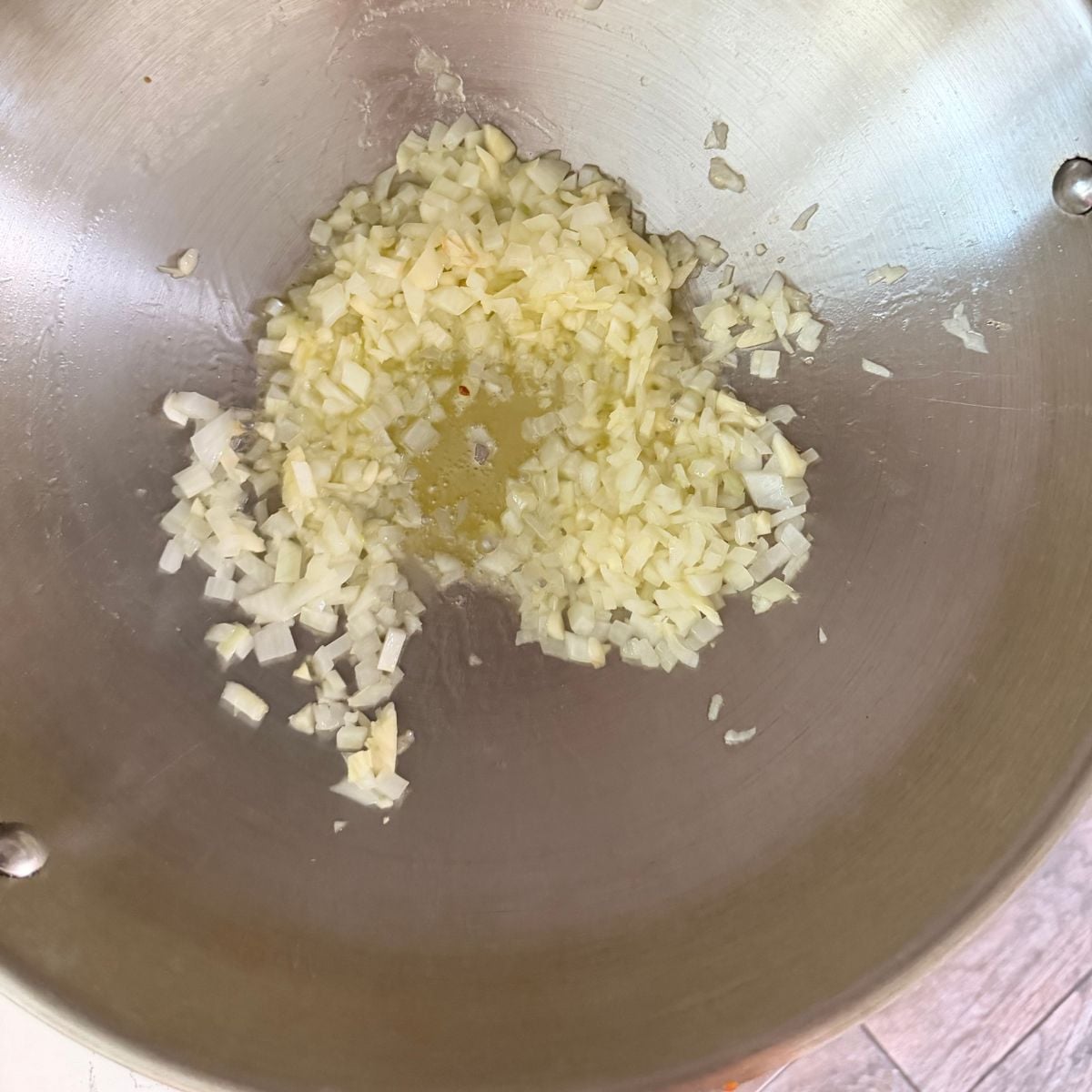
- Sauté the aromatics. Heat the oil over medium and cook the garlic and onion until soft and fragrant. Do not let the garlic darken.
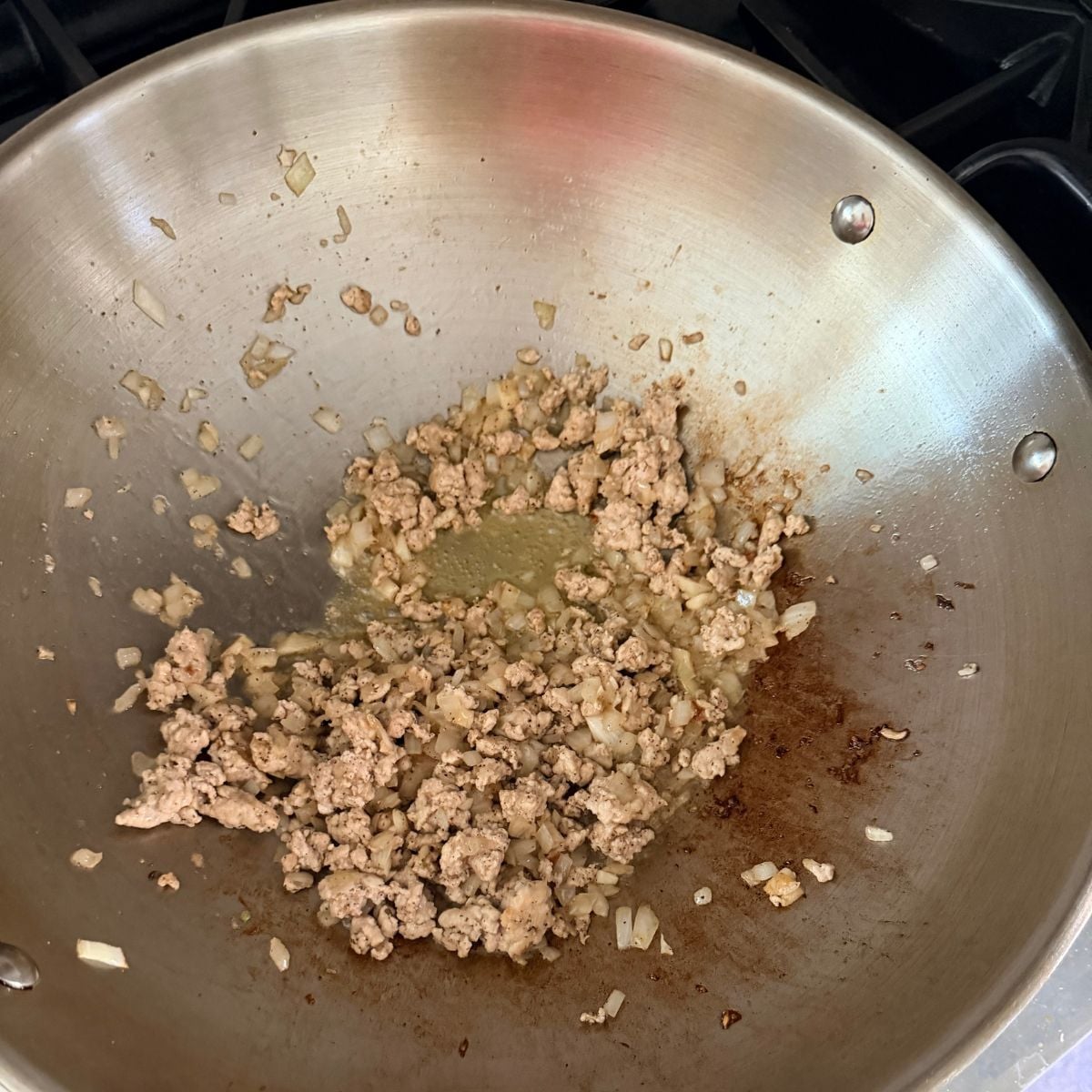
- Brown the ground pork. Add the pork and cook until it loses its pink color, breaking it up as you go. The fat it renders becomes the base for everything that follows. Add the soy sauce, oyster sauce, beef bouillon, and black pepper. Stir until the bouillon dissolves.
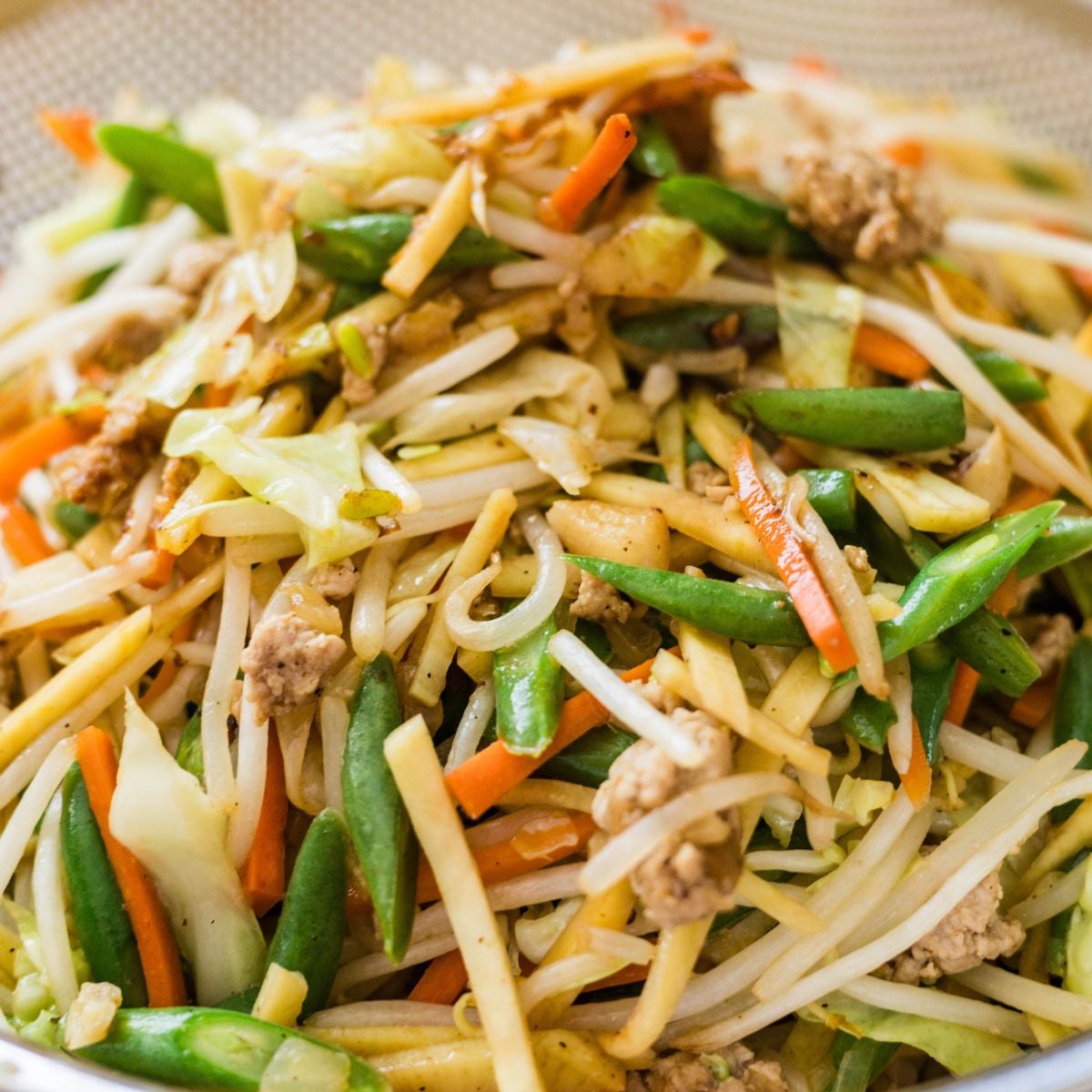
- Add the vegetables. Carrots, green beans, and Korean sweet potato go in first since they take the longest. Cook until they start to soften but still have bite. Then add the cabbage and bean sprouts and cook briefly, just until the cabbage wilts. You want the vegetables still crisp at this point, since they'll cook again inside the wrapper when you fry them. Overcook them now and the filling turns limp. Taste and add salt if it needs it.
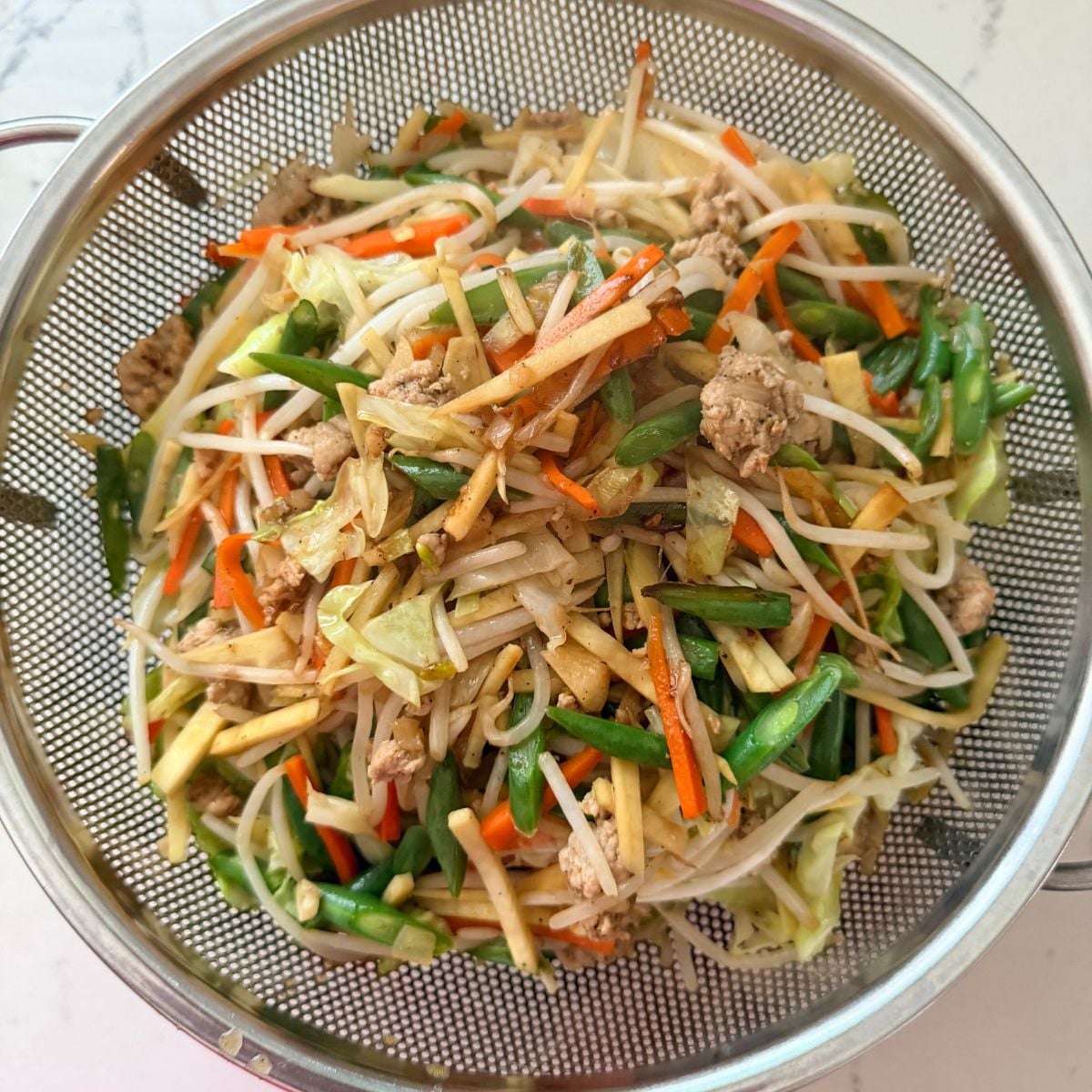
- Drain and cool. Transfer the filling to a colander and let it sit until it's no longer hot, letting the liquid drain off the whole time. Don't rush this. Warm filling steams the wrapper from the inside and wet filling soaks straight through it, and both give you soft lumpia no matter how well you fry them. When the filling is at room temperature and no more liquid is running out, it's ready to wrap.
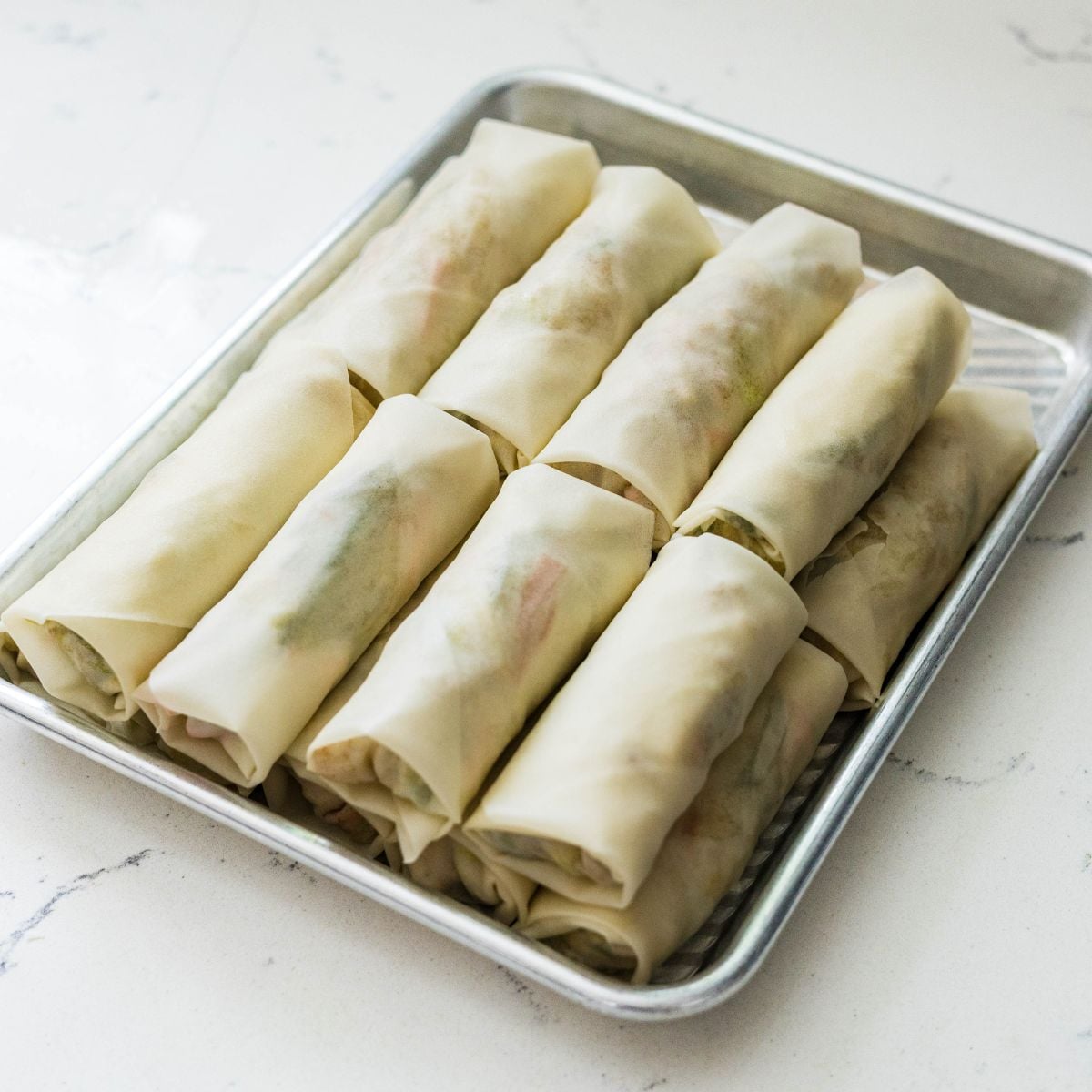
- Wrap. Place a few tablespoons of filling near one corner of the wrapper. Fold the corner over, fold both sides toward the center, then roll tightly to the end. Seal the edge with a dab of water. Keep the unused wrappers under a damp towel so they do not dry out.
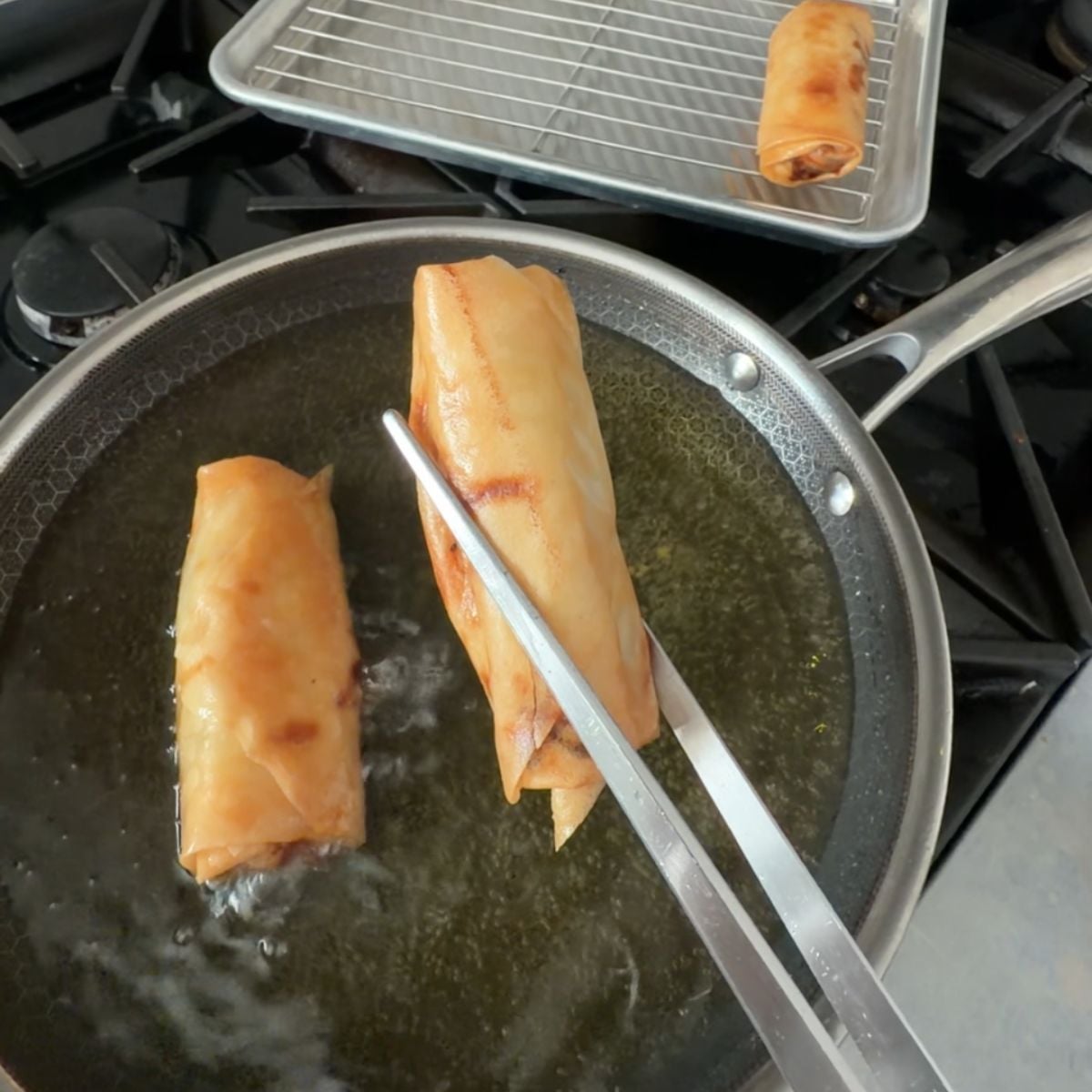
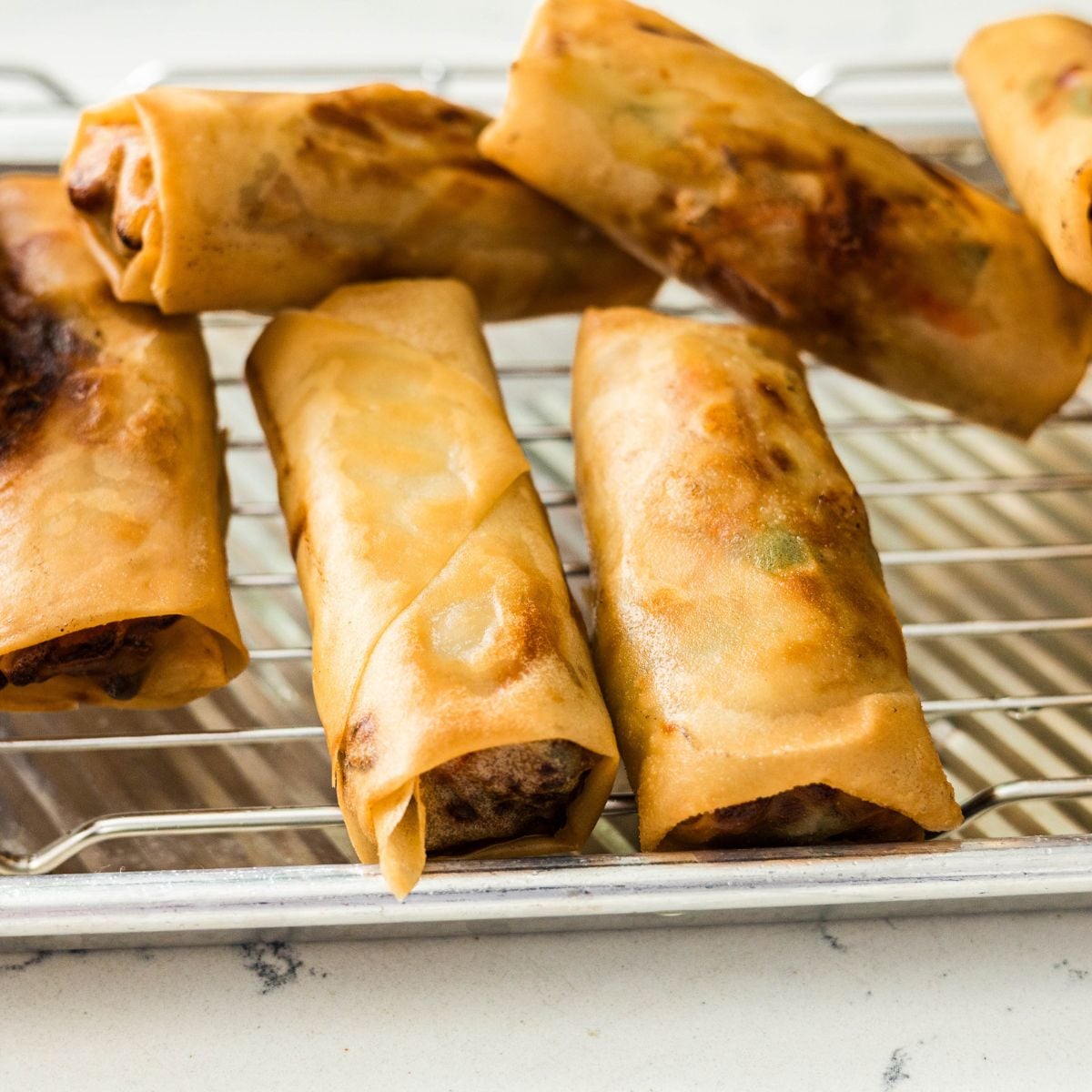
- Fry. Heat oil over medium-high, enough to come partway up the sides of the lumpia. To check if it's ready, dip a bamboo stick or wooden chopstick into the oil. When small bubbles come up quickly around it, the oil is hot enough. Add the lumpia in batches and fry until golden brown on all sides. Don't crowd the pan or the temperature drops and they soak up oil instead of crisping. Drain on a wire rack rather than paper towels, since paper traps steam and softens the bottoms.
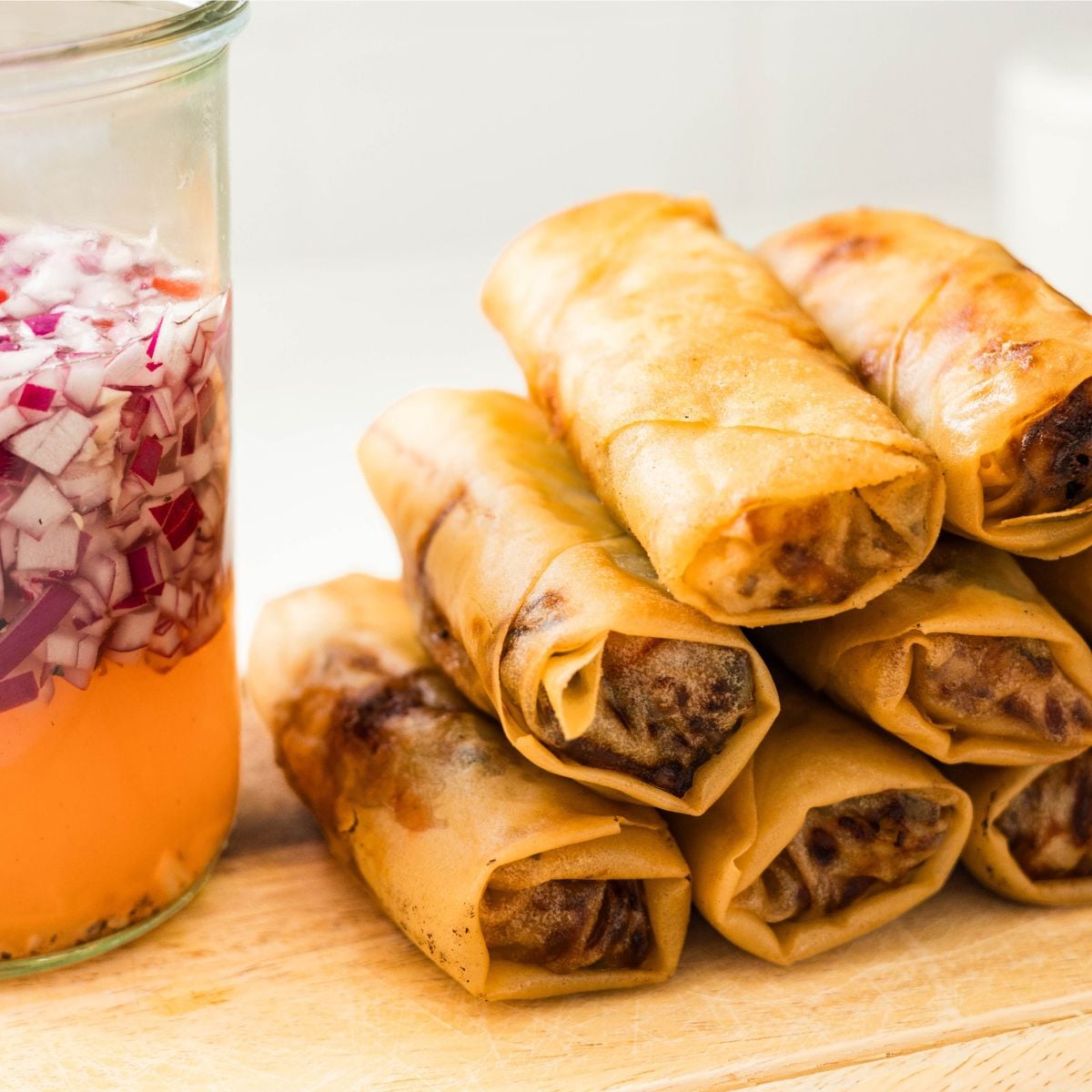
- Serve with sawsawan. Serve them hot with your dipping sauce of choice. Spiced vinegar with garlic is the standard for lumpiang gulay, and sweet chili sauce or banana ketchup work if you're serving kids who want something milder.
Why Your Lumpia Gets Soggy (and How to Fix It)
Soggy lumpia is a moisture problem, not a frying problem. Vegetables release water and ground pork renders fat, and if that liquid is still in the filling when you wrap, it steams the wrapper from the inside while the outside fries.
How to stop it
Drain the filling until it stops dripping and is no longer hot, then wrap. Roll them tightly and seal the ends so oil can't get in. Get the oil properly hot before the first one goes in, fry in batches so the temperature doesn't drop, and drain on a wire rack instead of paper towels, which traps steam and softens the bottoms.
If they've already gone soft
A few minutes in an air fryer or hot oven brings most of the crispness back. Never the microwave.
How to Wrap Lumpia
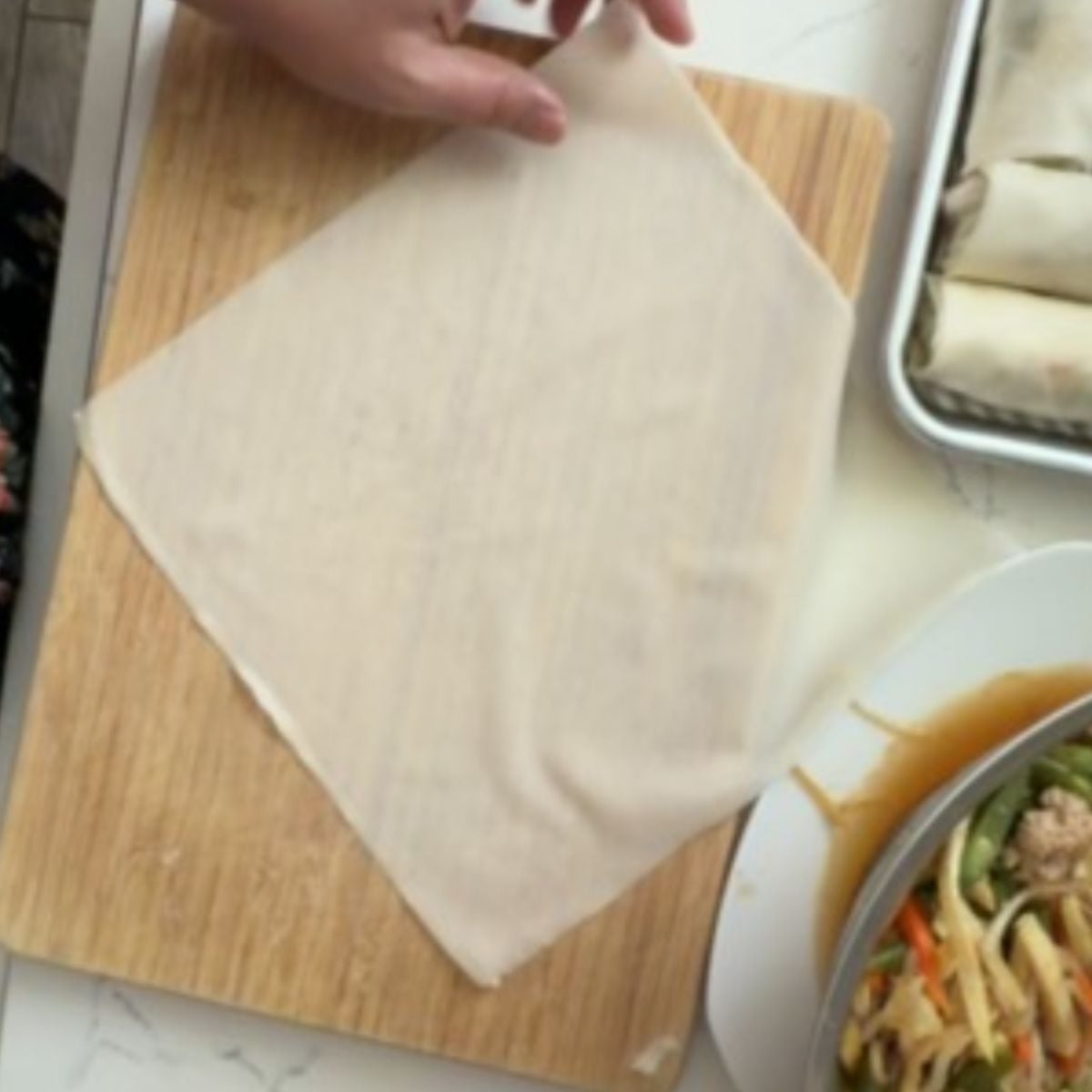
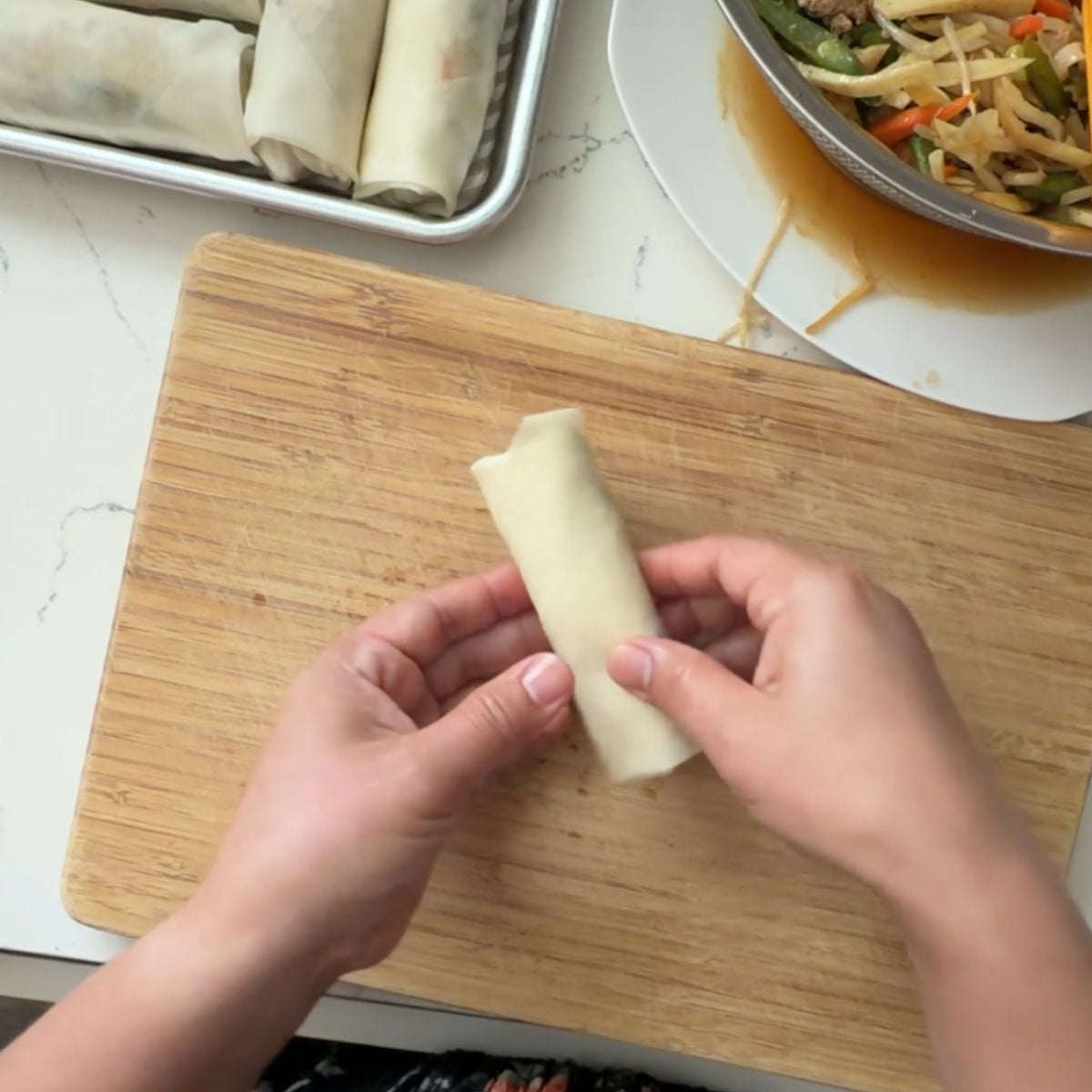
- Set up the wrapper. Peel the wrappers apart one at a time and keep the stack under a damp towel, since they dry out fast and a dry wrapper cracks when you roll it. Lay one flat with a corner pointing toward you, so it sits like a diamond.
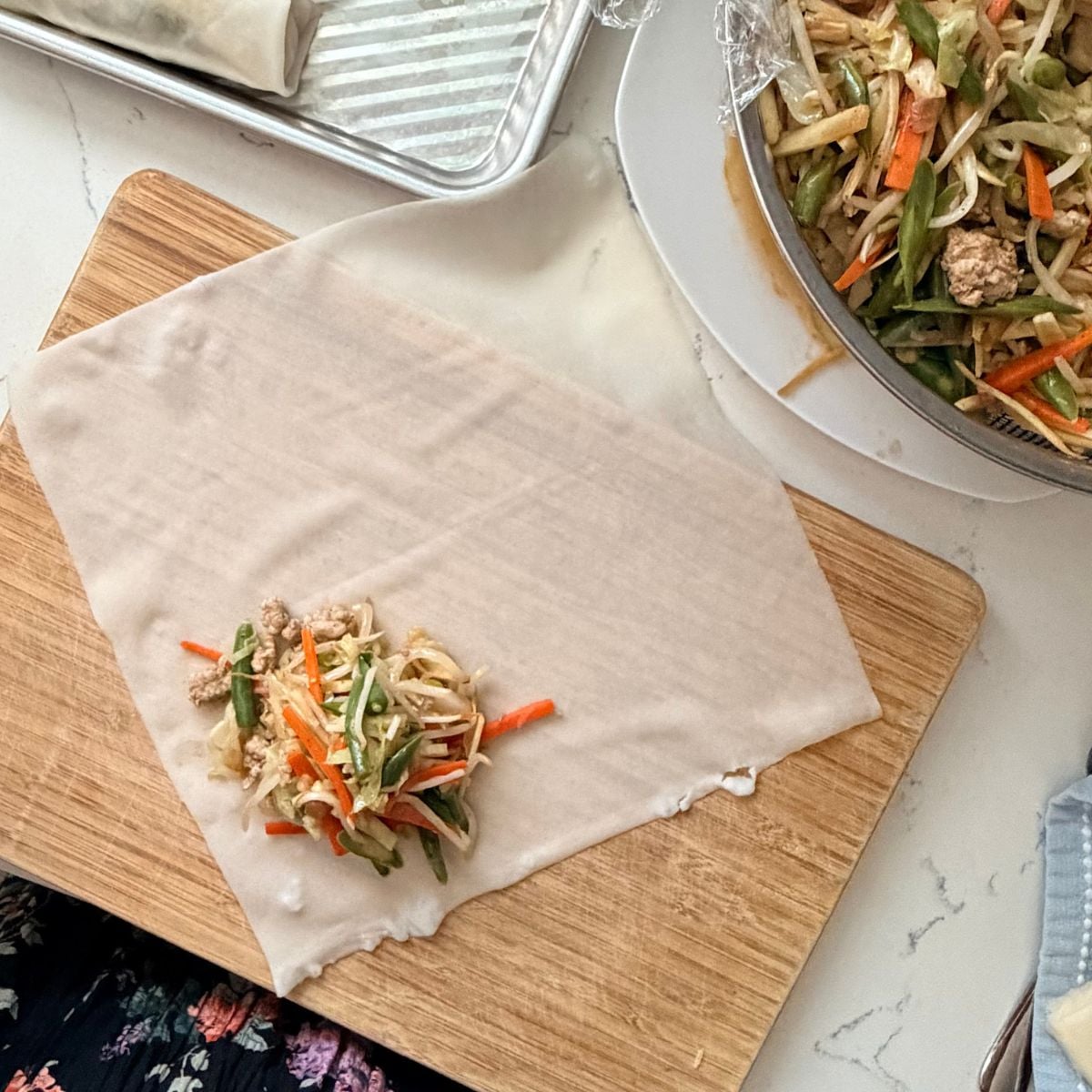
- Add the filling. Spoon a line of filling across the lower third, a couple of inches up from the bottom corner. Leave room on both sides. Overfilling is the most common mistake and it tears the wrapper or bursts it in the oil.
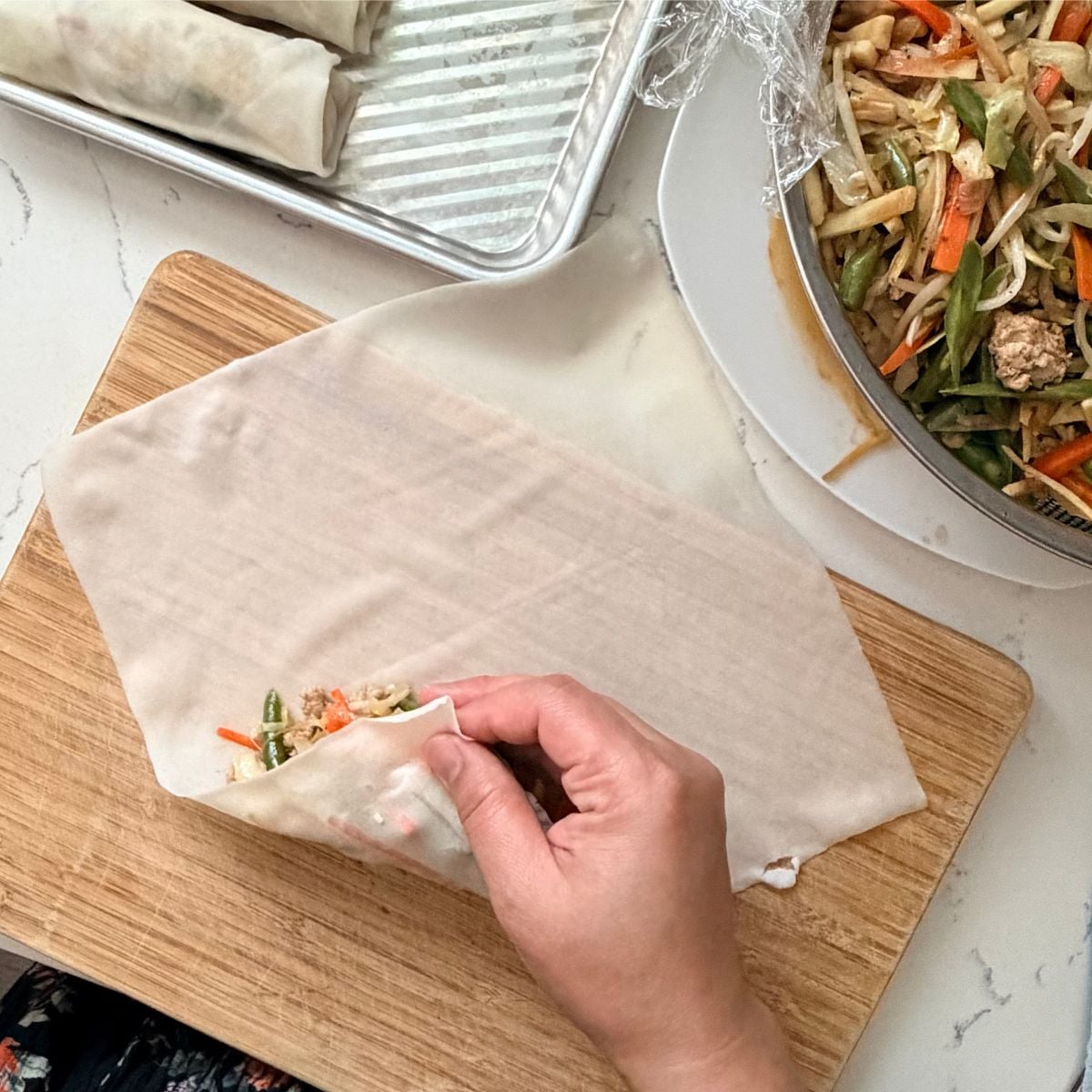
- Fold up. Bring the bottom corner up over the filling and tuck it in tight underneath. A snug first fold is what keeps the roll from loosening later.
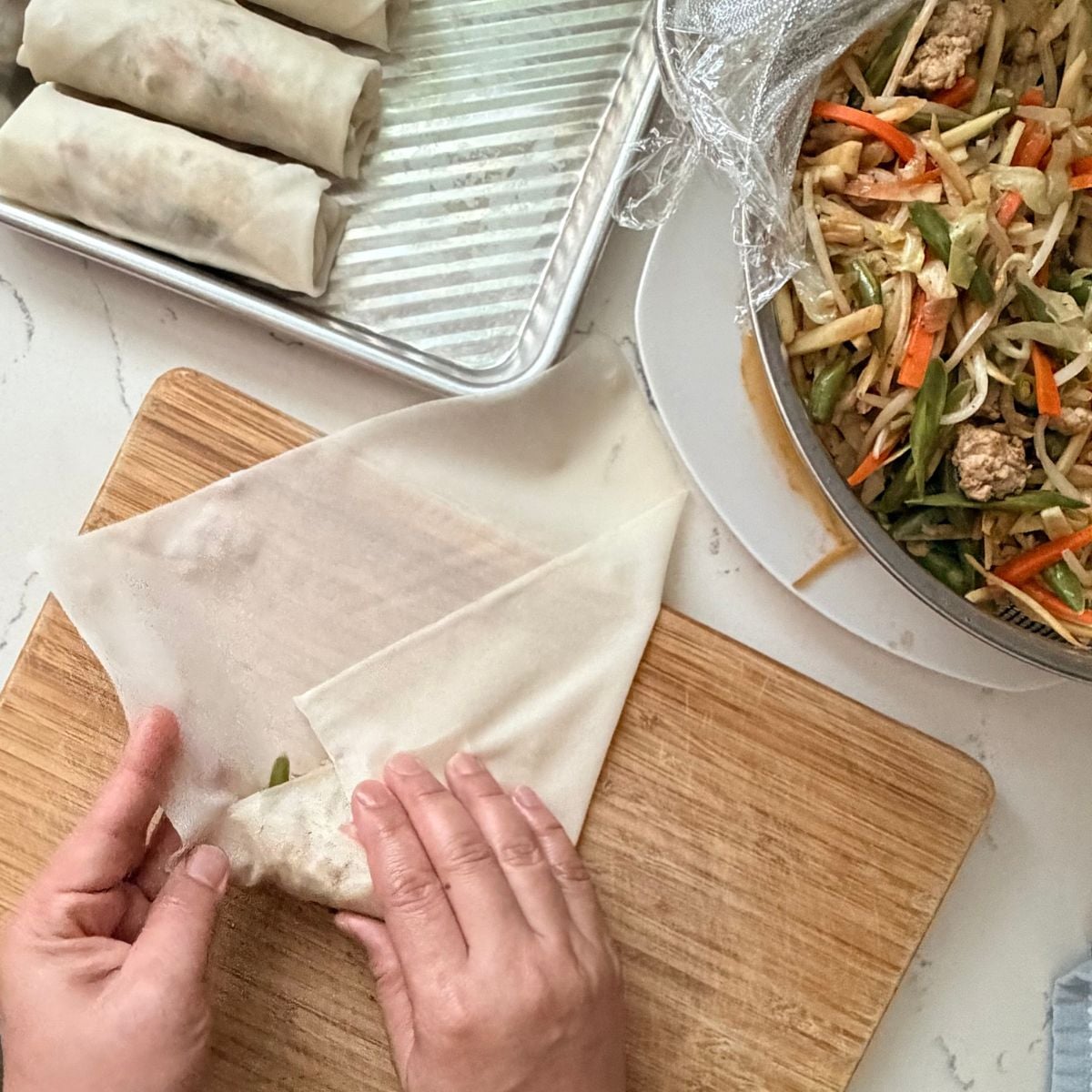
- Fold in the sides. Bring both side corners toward the center so they meet over the filling. This seals the ends and keeps oil out.
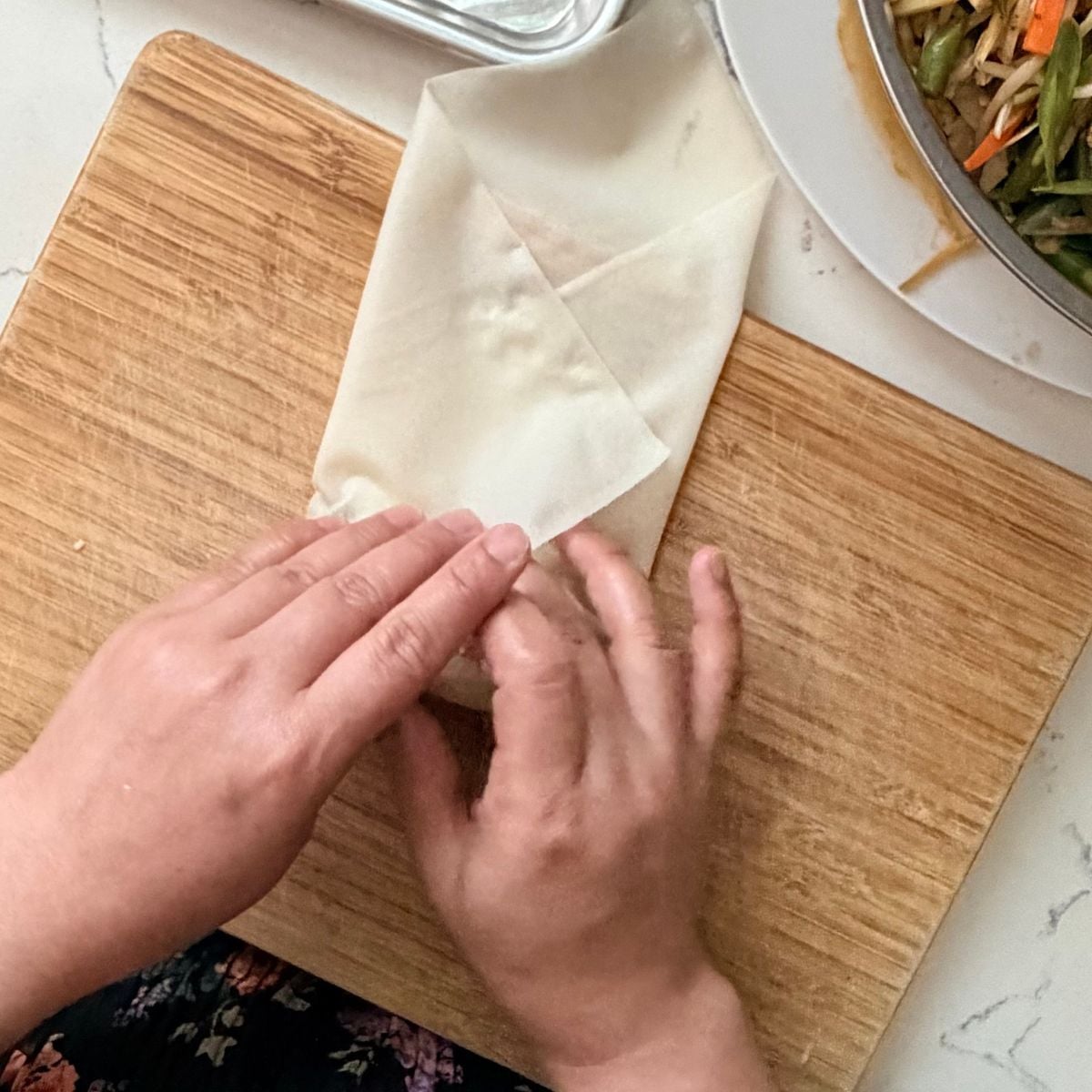
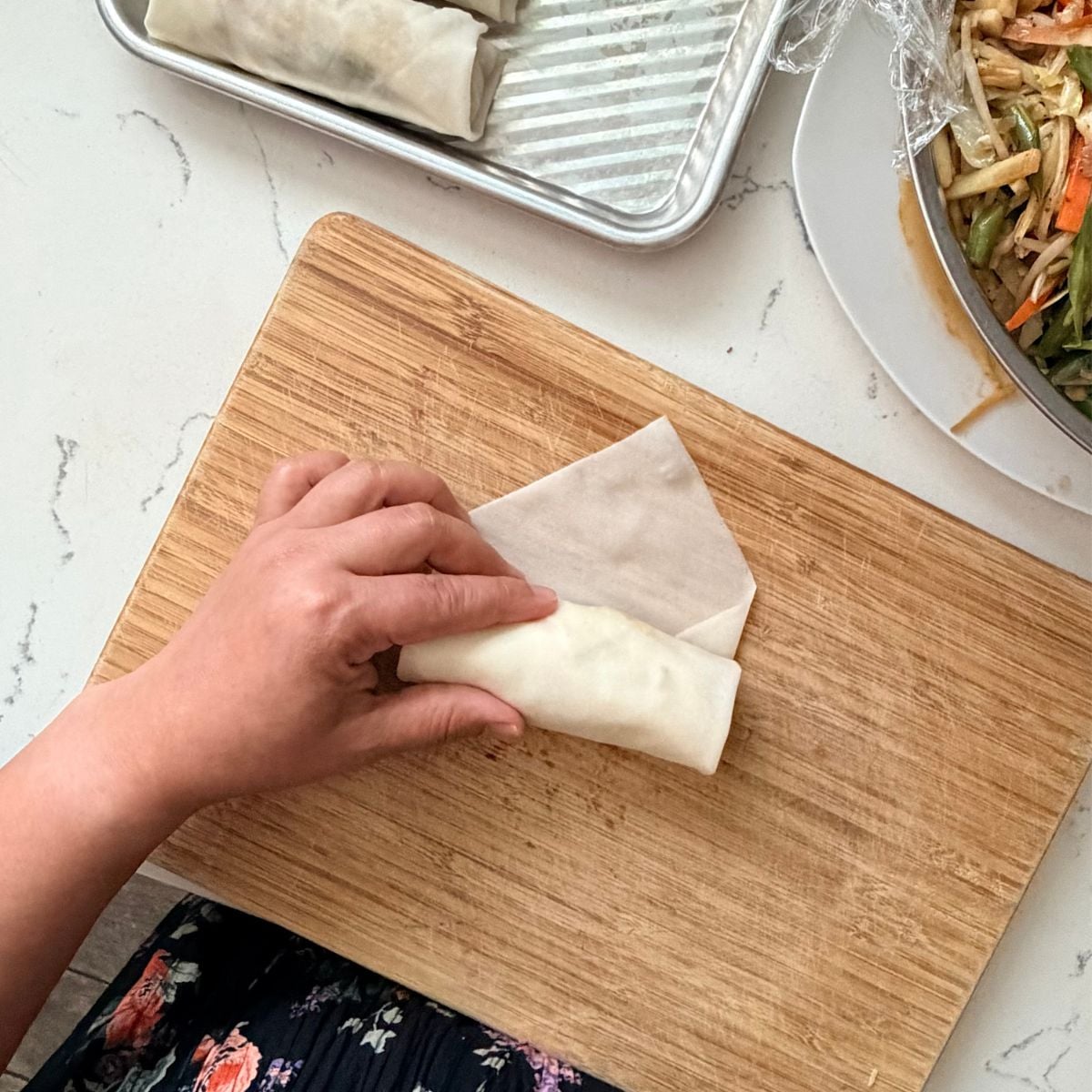
- Roll and seal. Roll it up toward the top corner, keeping it tight the whole way. Dab a little water on the last corner to seal, then set it seam side down on a tray so it stays closed until it hits the oil.
Make Ahead and Freezing
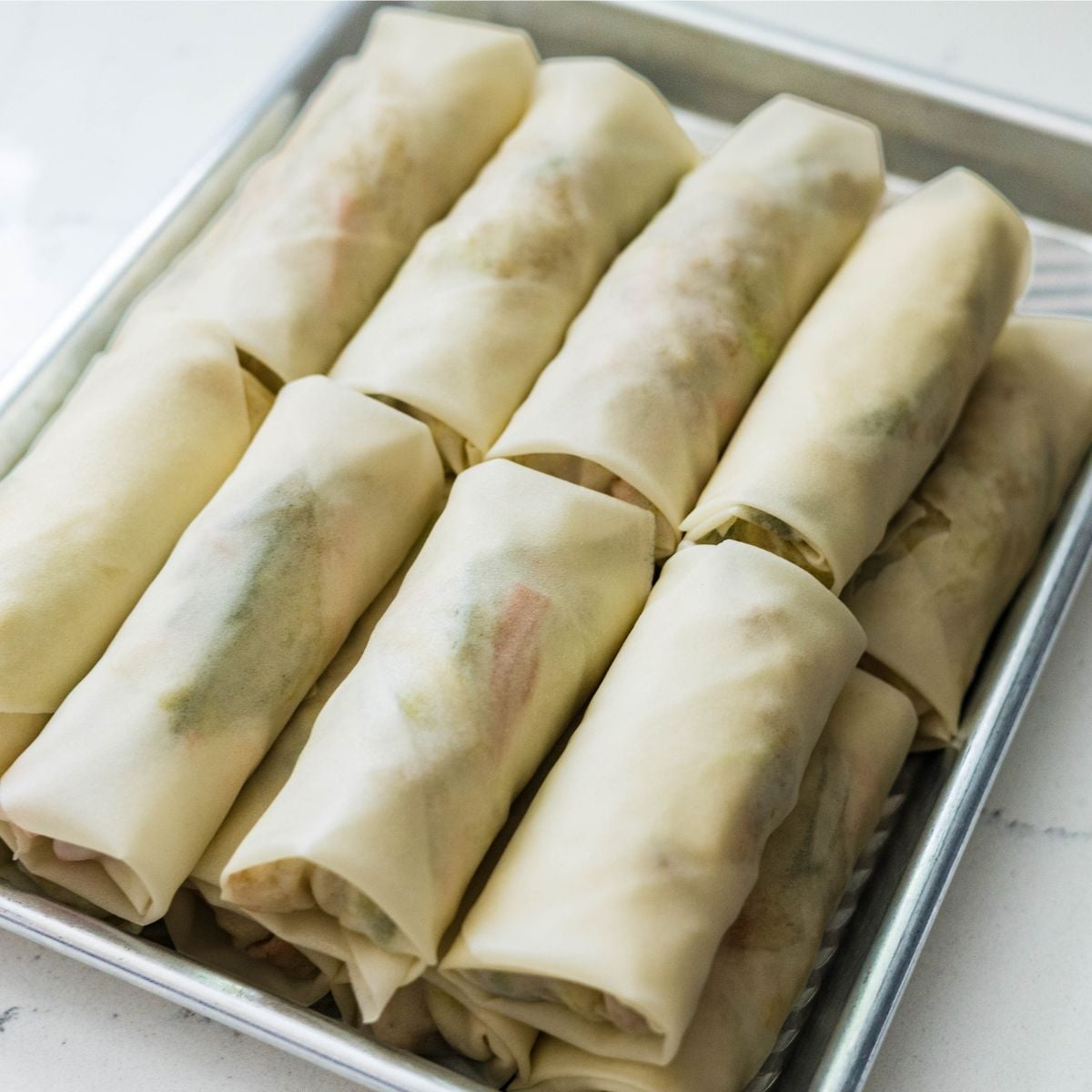
Wrap ahead. Wrapped lumpia keeps in the fridge for up to 1 day before frying. Lay them in a single layer so they don't stick together.
Freezing. Freeze them raw, not fried. Lay the wrapped lumpia in a single layer on a tray and freeze until solid, then move them to a freezer bag or container. Freezing them flat first is what keeps them from fusing into one block. They keep for 3 months in the freezer.
Frying from frozen. Fry straight from the freezer, no thawing. Thawing makes the wrappers wet and they stick and tear. They need about 1–2 minutes longer than fresh ones, so give them the extra time and keep the oil at the same heat.
Why I keep a batch on hand. This is what makes lumpiang gulay work on a weeknight. Wrap a big batch when you have time and a snack is a few minutes away for the next couple of months.
Dipping Sauces (Sawsawan)
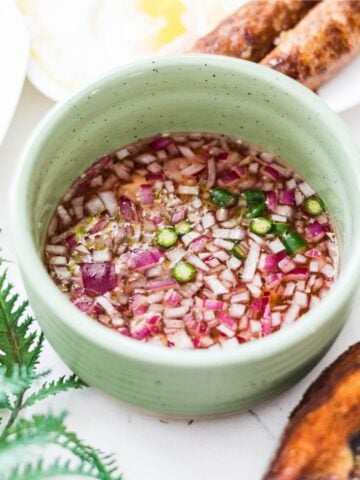
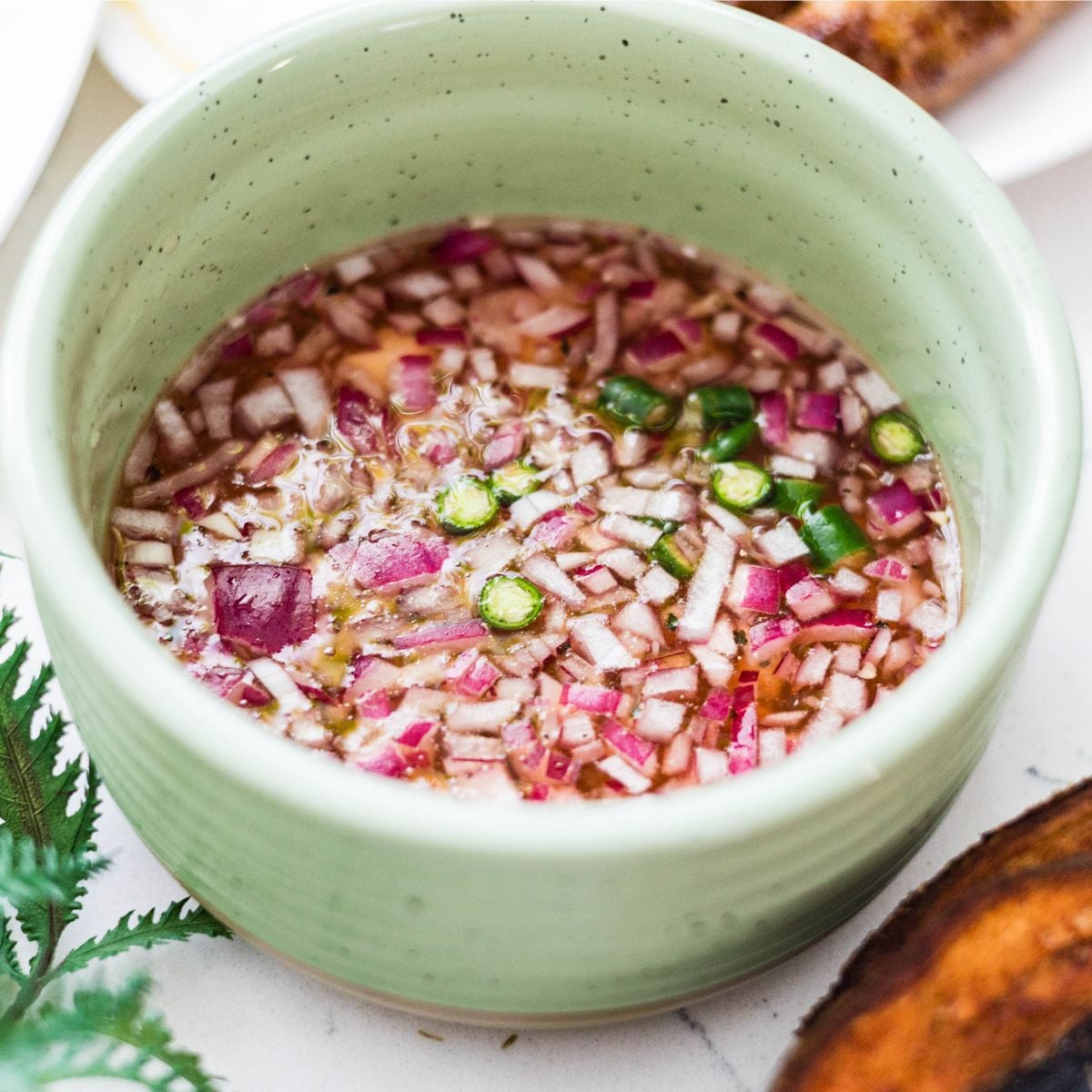
- Spiced vinegar. The standard for lumpiang gulay. Cane vinegar with crushed garlic, a little onion, salt, and chilies if you want heat. The sharp acid cuts through the fried wrapper in a way sweet sauces don't. This is what most Filipino tables put out.
- Sweet chili sauce. Sweet with a little heat, and the easiest one to buy rather than make. This is usually what kids reach for.
- Banana ketchup. Sweet, tangy, and unmistakably Filipino. Straight from the bottle, no mixing required.
- Vinegar with soy sauce. Equal parts, with garlic and black pepper. Saltier than plain spiced vinegar and closer to an adobo-style dip.
Variations
- Lumpiang togue. The bean sprout version, where togue makes up most of the filling instead of being one vegetable among several. Fewer ingredients, faster to put together, and it releases even more water, so drain it longer.
- With shrimp. Chopped small and added with the pork rather than instead of it. Traditional in a lot of versions and it adds a different kind of savoriness.
- Meatless. Leave the pork out and add more vegetables or crumbled firm tofu. Swap the oyster sauce for a mushroom-based one if it needs to be fully vegetarian.
- Air fryer. Spray them with oil and cook until golden. Not the same shatter as deep frying, but it works when you don't want a pot of oil on the stove.
- With jicama. Singkamas is traditional in many versions and it stays crunchy through frying. It also adds a lot of water, so drain longer.
Storage and Reheating
Fridge. Cooked lumpia keeps 3 to 4 days in an airtight container. They soften as they sit, which is normal and fixable.
Reheating. Air fryer or a hot oven for a few minutes brings the crispness back. Never the microwave, which turns the wrapper soft and chewy.
Freezing cooked lumpia. Possible, but freezing them raw gives a better result. Frying from frozen gets you a wrapper that shatters, while refried lumpia is never quite as crisp as it was the first time.
Uncooked. See the freezing section above.
What to Serve With It
- Steamed rice. Lumpiang gulay is a full meal in the Philippines, not just an appetizer. Rice plus a few pieces with sawsawan is how it usually lands on the table. Garlic fried rice works too if you want something with more going on.
- Pancit. Standard alongside lumpia at any Filipino gathering, and the two together make the table look like an occasion.
- A saucy braise. Something like adobo or menudo. The crisp wrapper gives you contrast against soft, saucy food.
- On their own. With just the dipping sauce, as an appetizer. That's how most people outside the Philippines serve them.
Rose's Top Tips
- Drain until it stops dripping. Not a set number of minutes. Let the filling sit in the colander until it's no longer hot and no more liquid is coming out. Wrap before that and the wrapper softens from the inside.
- Keep the wrappers under a damp towel. They dry out within minutes of being separated, and a dry wrapper cracks the moment you try to roll it.
- Don't overfill. More filling feels efficient but it tears the wrapper and bursts in the oil. A thin line across the lower third is enough.
- Test the oil with a bamboo stick. Dip one in, and when small bubbles come up quickly around it, the oil is ready. Lumpia dropped into cool oil soaks it up instead of crisping.
- Drain on a wire rack. Paper towels trap steam underneath, so the bottoms go soft while the tops stay crisp.
- Wrap a double batch and freeze half. Freeze them raw on a tray until solid, then bag them. Frying from frozen gives you a crisper result than fresh ones that sat around.
Recipe FAQs
Not usually. Despite the name, traditional lumpiang gulay is made with a small amount of ground pork or shrimp for flavor. To make it vegetarian, leave the pork out, add more vegetables or crumbled firm tofu, and swap the oyster sauce for a mushroom-based one.
Moisture in the filling. Vegetables release water and ground pork renders fat, and if that liquid is still there when you wrap, it steams the wrapper from the inside. Drain the filling until it stops dripping and has cooled, then wrap. Frying in oil that isn't hot enough will do the same thing.
Yes, and it's the best way to make them ahead. Freeze them raw, not fried. Lay the wrapped lumpia on a tray in a single layer, freeze until solid, then move them to a bag or container.
Yes, and you should. Don't thaw them first, since that makes the wrappers wet and they'll stick and tear. They need a bit longer in the oil than fresh ones.
Thin spring roll wrappers, not the thick egg roll kind. Thin wrappers fry up crisp and shatter when you bite them. Egg roll wrappers turn out bready.
Lumpiang gulay is a vegetable filling with a little ground pork, cut thicker and served as a meal. Lumpiang shanghai is mostly ground meat, rolled thin and served as an appetizer.
Spiced vinegar with garlic is the standard dipping sauce. Sweet chili sauce and banana ketchup are the milder options. Serve with steamed rice for a full meal.
Spray them with oil and cook until golden. You won't get the same shatter as deep frying, but it works when you don't want a pot of oil on the stove.
More Filipino Vegetable Recipes
Looking for other recipes like this? Try these:
- Ginisang Toge for sautéed bean sprouts, ten minutes start to finish
- Pinakbet the classic vegetable stew with shrimp paste
- Adobong Sitaw long beans braised adobo style
- Gising-Gising green beans in coconut milk with chilies
- Okoy crispy shrimp and vegetable fritters
- Ensaladang Talong charred eggplant with tomato and onion

Did you try this recipe?
Share how it turned out in the comment box below, and if you loved it, share it on Facebook, Pinterest & Instagram.
Thank you!

Lumpiang Gulay (Filipino Vegetable Lumpia)
Equipment
- 1 large skillet or wok
- 1 Colander
- 1 Wire rack
- 1 Baking sheet or tray for freezing
Ingredients
- 2 tablespoons cooking oil
- 5 cloves garlic minced
- 1 small onion chopped
- ½ pound ground pork
- 1 cup carrots julienned
- 1½ cups Korean sweet potato julienned
- 1½ cups green beans thinly sliced
- 1½ cups cabbage thinly sliced
- 1½ cups bean sprouts
- 1 tablespoon soy sauce
- 1 tablespoon oyster sauce
- 1 beef bouillon cube
- ½ teaspoon ground black pepper
- 1 teaspoon Salt to taste
- 18 lumpia wrappers
- Oil for frying
Instructions
- Heat the oil in a large skillet over medium heat. Sauté the garlic and onion until soft and fragrant.2 tablespoons cooking oil, 5 cloves garlic, 1 small onion
- Add the ground pork and cook until it loses its pink color, breaking it up as you go.½ pound ground pork
- Add the soy sauce, oyster sauce, beef bouillon, and black pepper. Stir until the bouillon dissolves.1 tablespoon soy sauce, 1 tablespoon oyster sauce, 1 beef bouillon cube, ½ teaspoon ground black pepper
- Add the carrots, Korean sweet potato, and green beans. Cook until they start to soften but still have bite. Add the cabbage and bean sprouts and cook briefly, just until the cabbage wilts. Taste and add salt if needed.1 cup carrots, 1½ cups Korean sweet potato, 1½ cups green beans, 1½ cups cabbage, 1½ cups bean sprouts, 1 teaspoon Salt
- Transfer the filling to a colander and let it sit until it stops dripping and is no longer hot.
- Lay a wrapper flat with a corner pointing toward you. Spoon a line of filling across the lower third. Fold the bottom corner up over the filling and tuck it under, fold both sides toward the center, then roll tightly. Dab water on the last corner to seal and set seam side down. Keep unused wrappers under a damp towel.18 lumpia wrappers
- Heat oil in a deep pan over medium-high. Dip a bamboo stick into the oil, and when small bubbles rise quickly around it, the oil is ready. Fry in batches until golden brown on all sides. Drain on a wire rack.Oil
- Serve hot with spiced vinegar or your dipping sauce of choice.