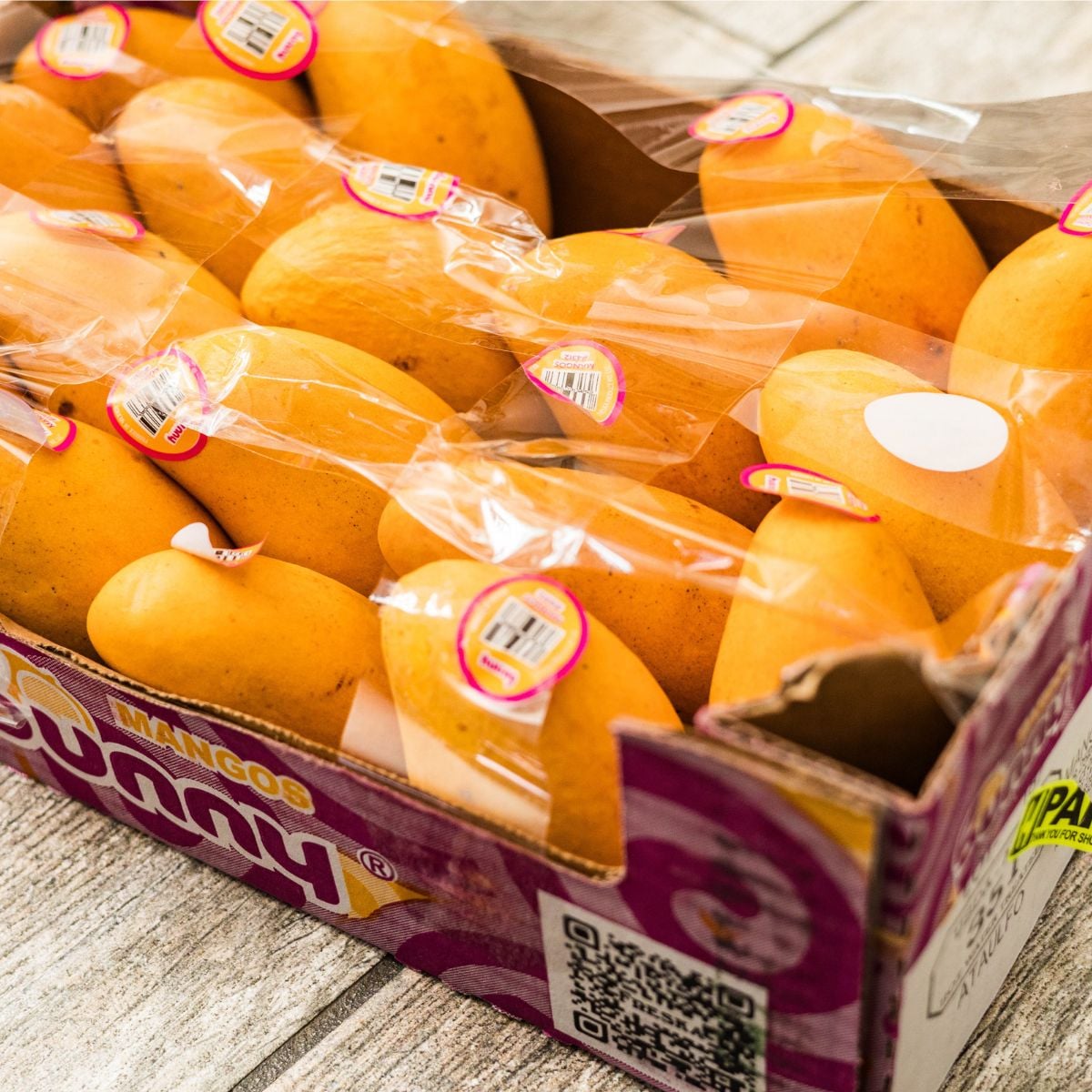
Ataulfo mangoes go on sale at H Mart every so often, and when they do, buying the box works out cheaper than picking out four.
So I bring it home, line them up on the counter, and let them ripen. By the end of the week they've turned into Ninja Creami mango ice cream, mango bango, or this mango float.
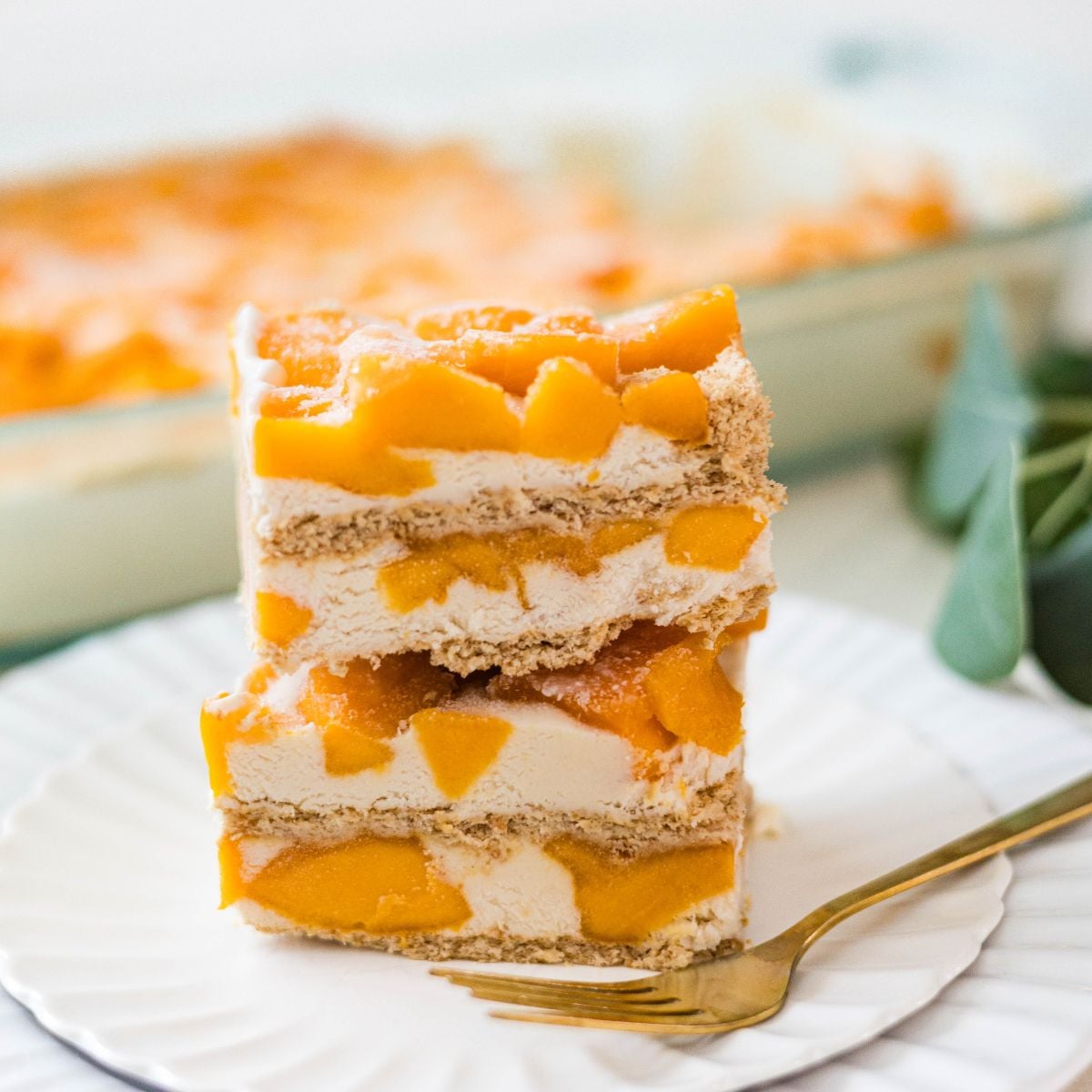
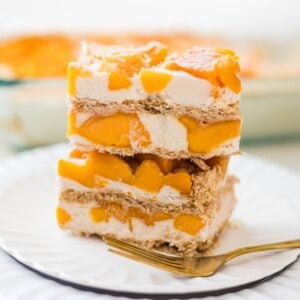
Mango float is the Filipino icebox cake of graham crackers, sweetened cream, and ripe mangoes, layered and chilled until the crackers go soft enough to slice. No oven, no baking, nothing that can burn.
For a long time I stirred the heavy cream straight into the condensed milk and layered it that way. Now I whip it first. It holds its shape when you slice it, and the texture turns light instead of heavy, closer to ice cream than pudding.
Save This Recipe 💌
Jump to:
Why You'll Love This Mango Float
- No oven, and nothing that can go wrong with heat. There's no baking, no tempering, no custard to curdle. The only technique in the whole recipe is whipping cream, which means the failure modes are limited to buying underripe mangoes and not chilling it long enough. Both are fixable before you start.
- It slices instead of slumping. Whipping the cream first is what makes the difference. Stirred cream sets soft and the layers slide when you cut into it. Whipped cream holds the shape, so you get squares with visible layers rather than a scoop.
- Four ingredients, all from a regular grocery run. Graham crackers, heavy cream, sweetened condensed milk, ripe mangoes. No specialty store trip, no can of all-purpose cream you can only find at a Filipino market.
- It has to be made ahead, which makes it easy to plan around. This is a dessert that needs hours in the fridge to work, so making it the day before isn't a shortcut, it's the actual method. For a party, that means the dessert is done before the cooking starts.
- It works with mangoes you can actually buy here. Most versions are written around Philippine carabao mangoes. Ataulfos are sweet enough and soft enough to stand in, and they show up at most Asian grocers and plenty of regular ones.
Ingredients You'll Need
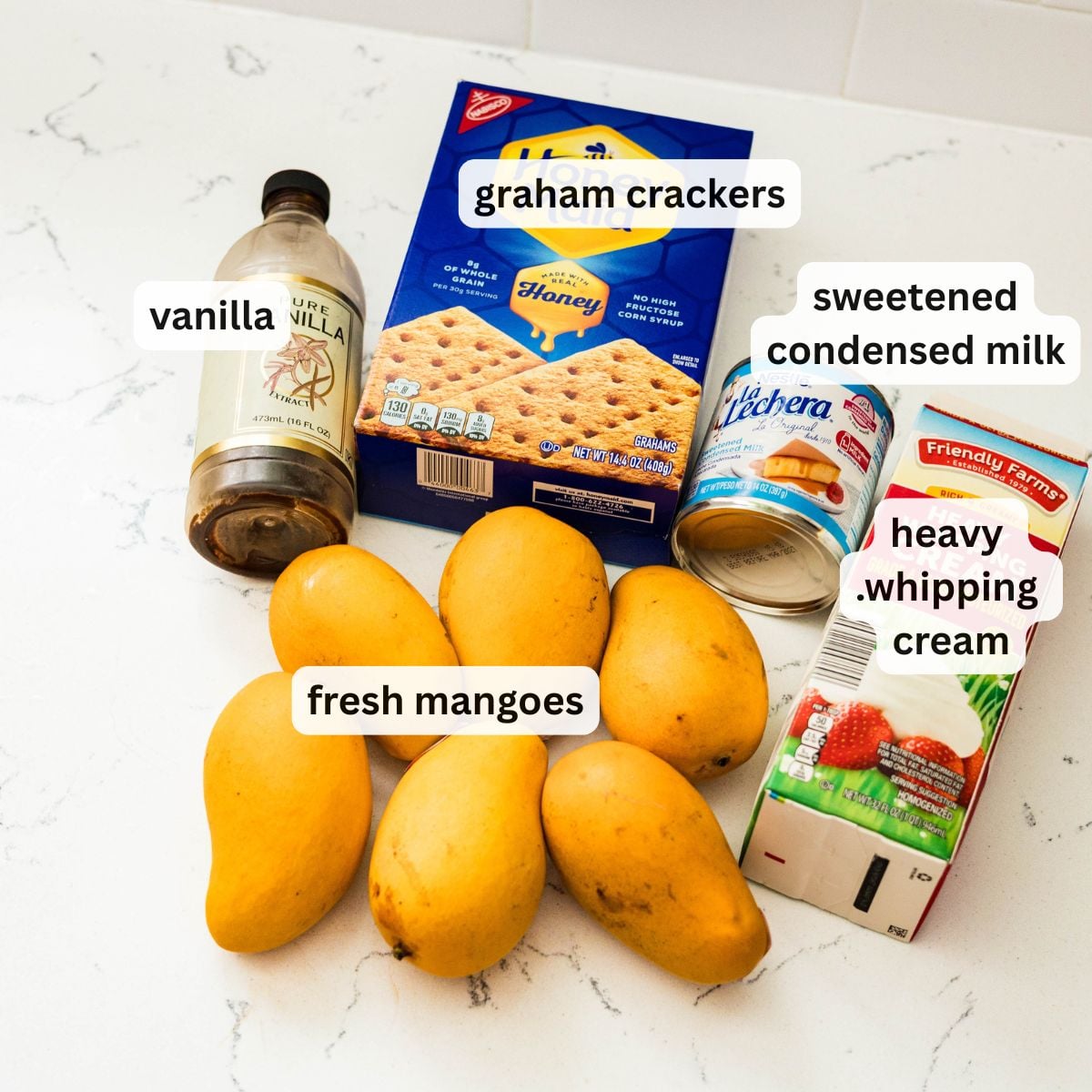
- Heavy whipping cream. This is what gets whipped, and whipping is what holds the layers up when you slice. Look for heavy cream or heavy whipping cream, not light cream or half and half, which don't have enough fat to hold air. Start with it cold, straight out of the fridge, because warm cream takes longer to whip and can break before it gets there.
- Sweetened condensed milk. This is the only sweetener in the recipe, so it's doing two jobs: sweetening the cream and thickening it. Don't swap in evaporated milk, which looks similar on the shelf and is not sweetened at all.
- Ripe mangoes. The single ingredient that decides whether this is worth making. Ataulfos, also sold as honey or champagne mangoes, are what I use: sweet, soft, and not fibrous. The common supermarket mangoes, Tommy Atkins and Kent, work too when they're genuinely ripe, though Tommy Atkins runs fibrous. What doesn't work is an underripe mango of any variety. It stays firm and tart through the chill, and no amount of condensed milk covers for it.
- Graham crackers. They go in dry and come out soft, absorbing moisture from the cream over the hours in the fridge. That's the whole mechanism of an icebox cake, so don't be tempted to soak or soften them first. Plain honey grahams are what you want; cinnamon or chocolate versions take over.
- Vanilla and a pinch of salt, both optional. The vanilla rounds out the condensed milk sweetness and the salt keeps it from tasting flat. Neither changes the structure and the recipe works without them, so skip if you don't have them.
See recipe card for quantities.
Picking mangoes in the US
Most mango float recipes are written around Philippine carabao mangoes, which you can't buy fresh here. Ataulfos are the closest stand in: the small yellow ones, sometimes labeled honey or champagne mangoes, sold at Asian grocers and plenty of regular ones.
The big supermarket mangoes work too. Kent is the better of the two. Tommy Atkins is fibrous, so slice it thin and expect some texture. I still reach for the champagne ones first.
Ripeness matters more than variety. Buy them firm and ripen them on the counter. A ready mango gives slightly near the stem and smells sweet at that end. Color tells you almost nothing, since they turn golden or red well before they soften.
How to Make Mango Float
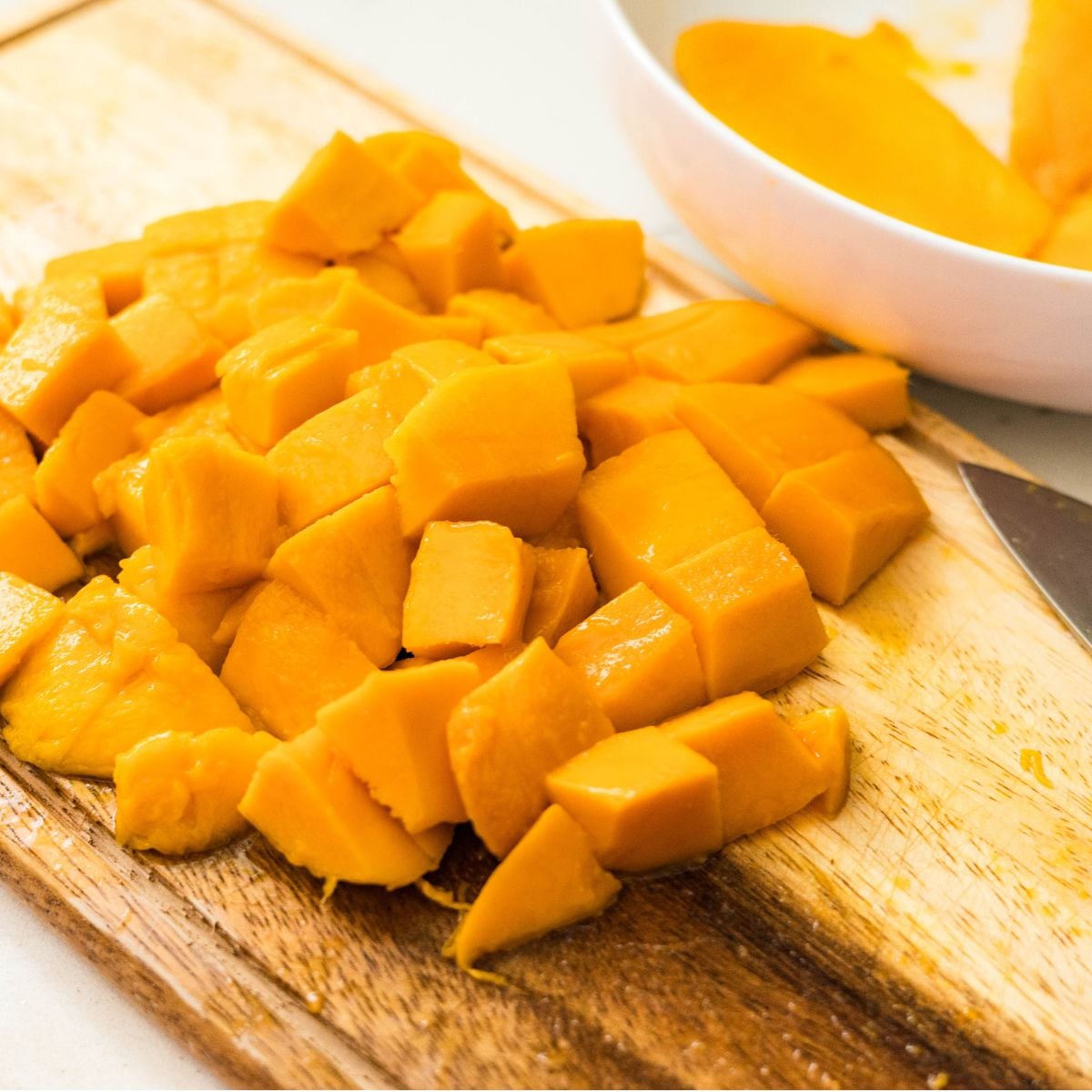
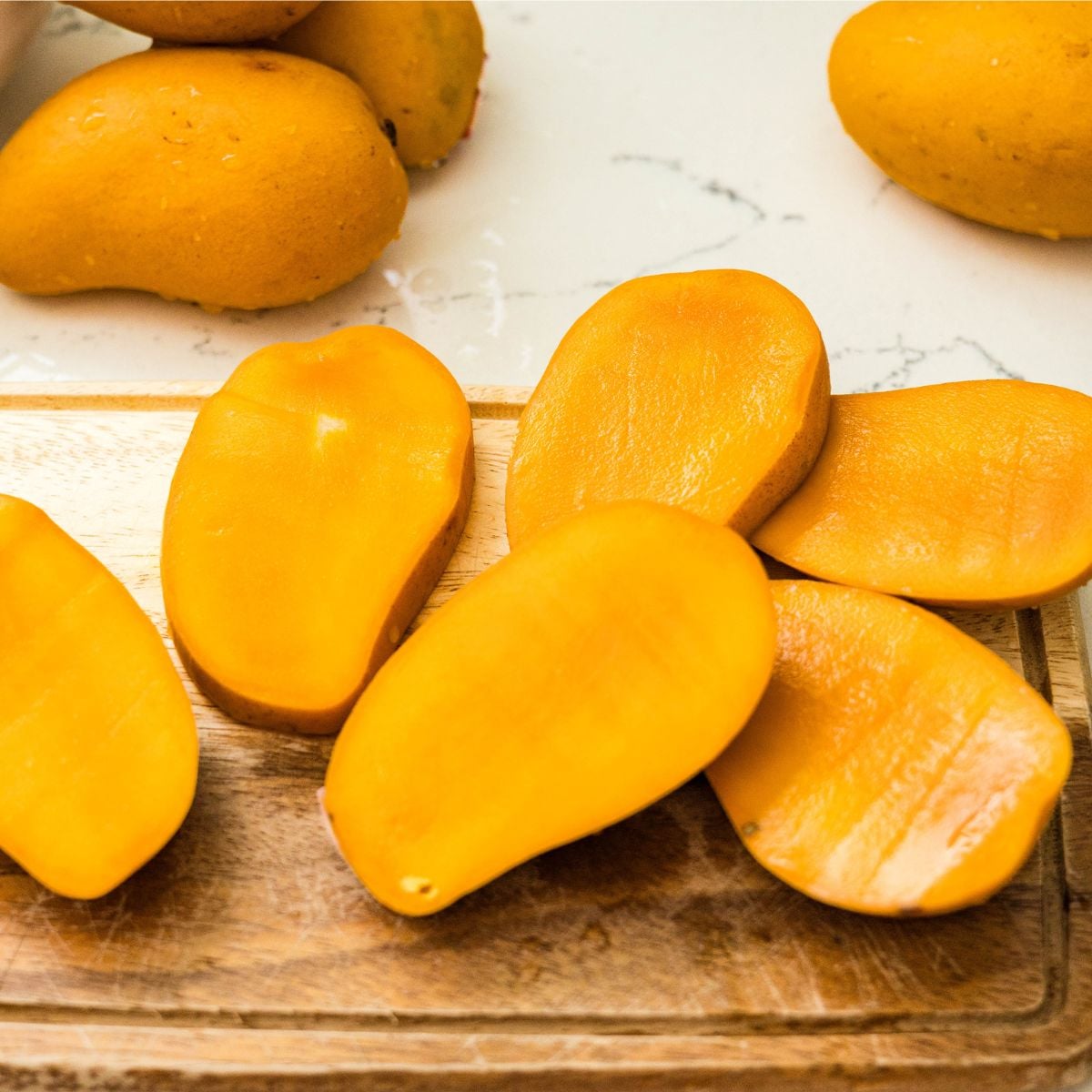
- Prep the mangoes. Peel them, cut the cheeks off either side of the pit, and dice. Set aside the best-looking pieces for the top layer, since that's the one people see. Work over a bowl or a board with a lip, and don't add any juice that collects to the layers.
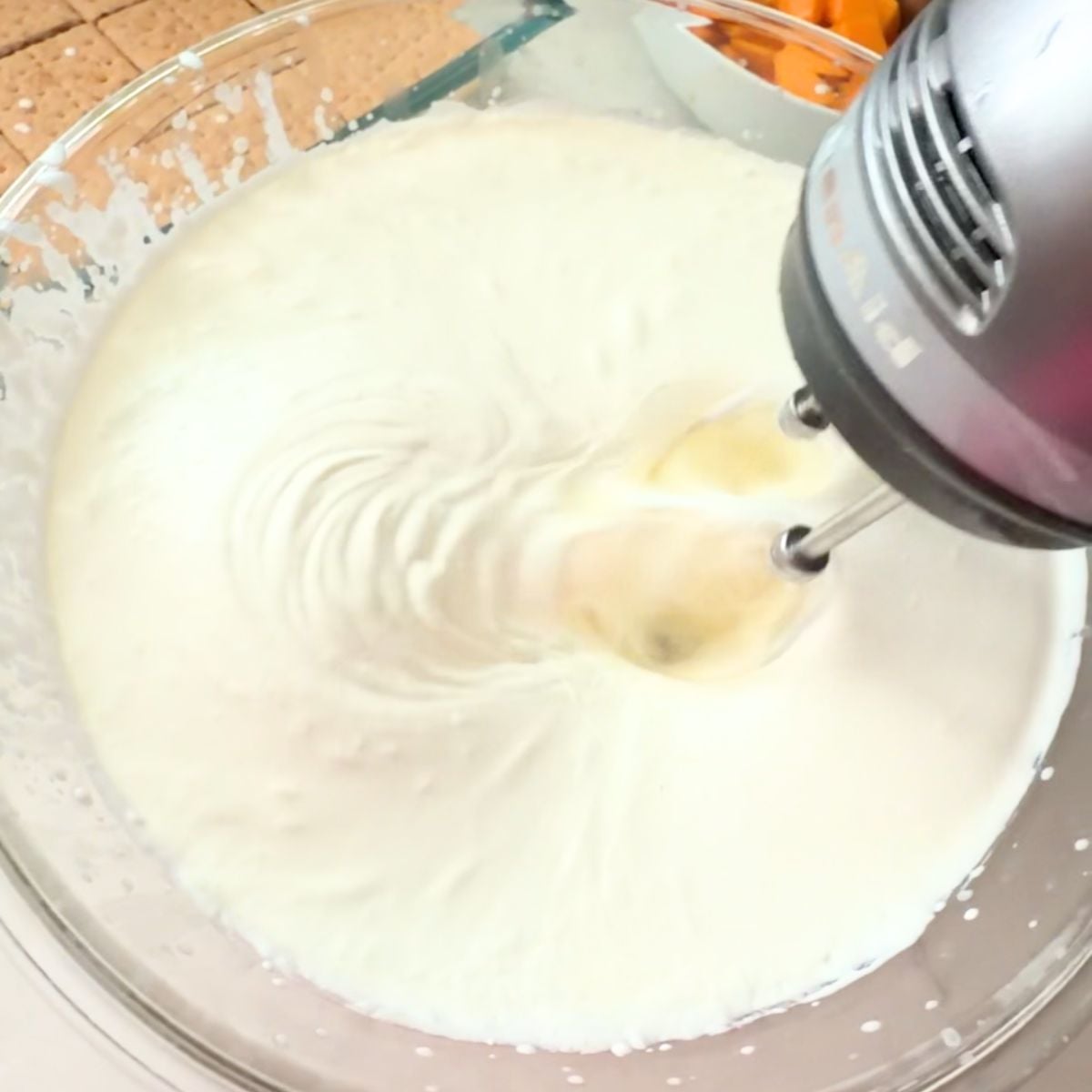
- Whip the cream. Beat the cold cream until it holds soft to medium peaks, then pour in the condensed milk gradually and keep mixing just until it's combined and fluffy. Adding the condensed milk slowly keeps the air you just beat in. Stop as soon as it comes together, since overbeaten cream turns grainy and won't spread smoothly.
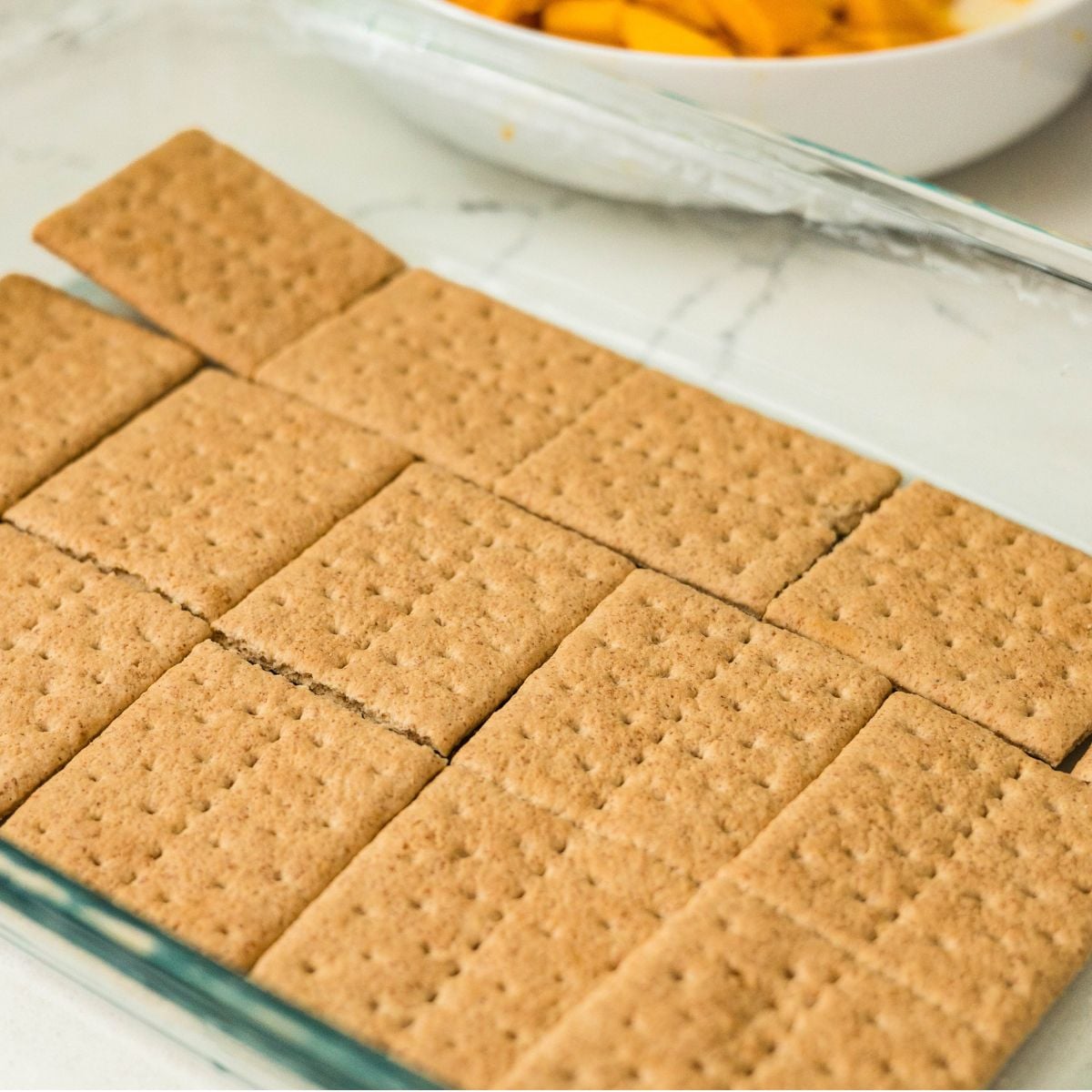
- Lay down the first graham layer. Cover the bottom of the pan in a single layer, breaking pieces to fill the gaps at the edges and corners. Gaps are where slices fall apart later, so it's worth taking the extra minute here.
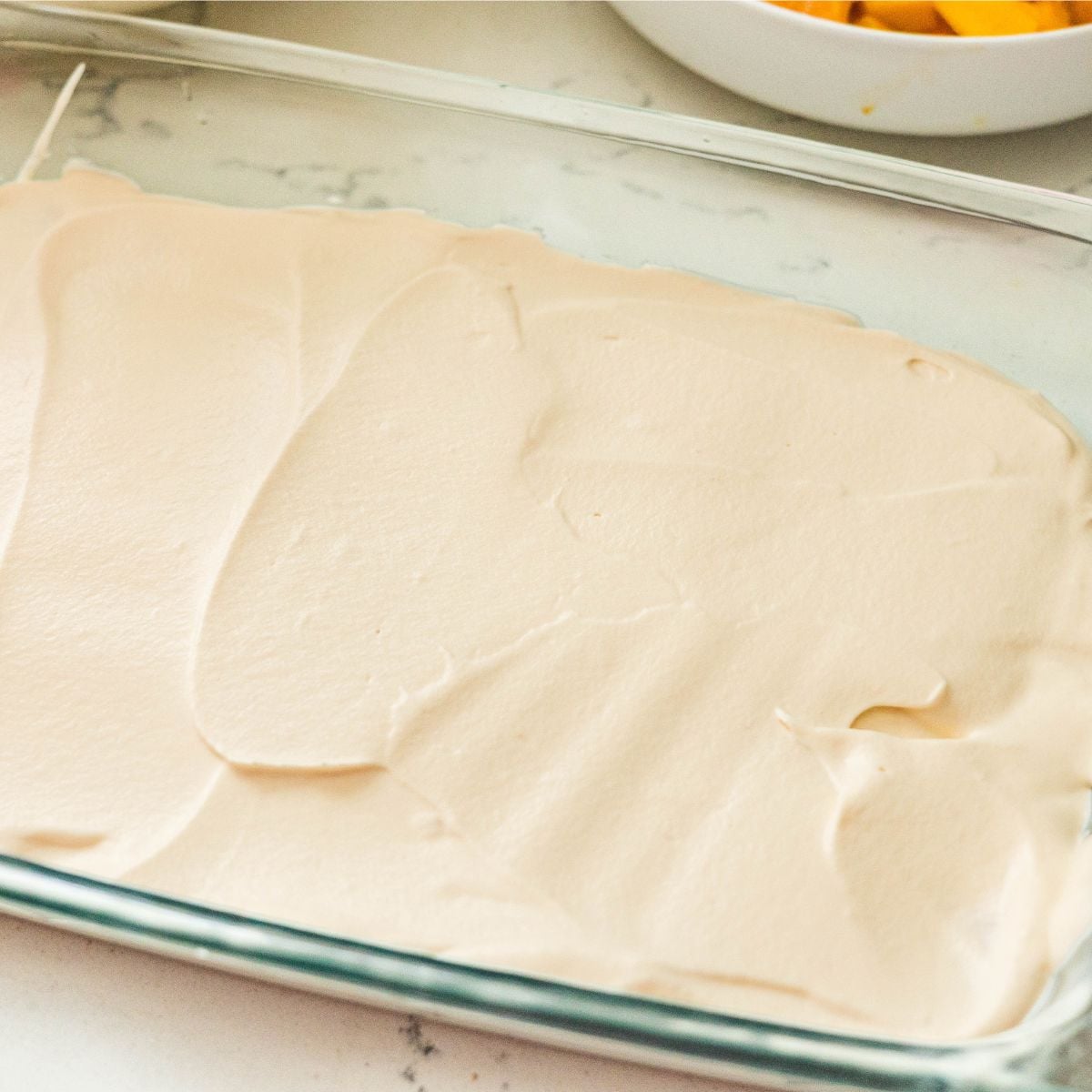
- Spread half the cream over the crackers. Go all the way to the edges. Spread rather than dollop, so you don't drag the crackers out of position.
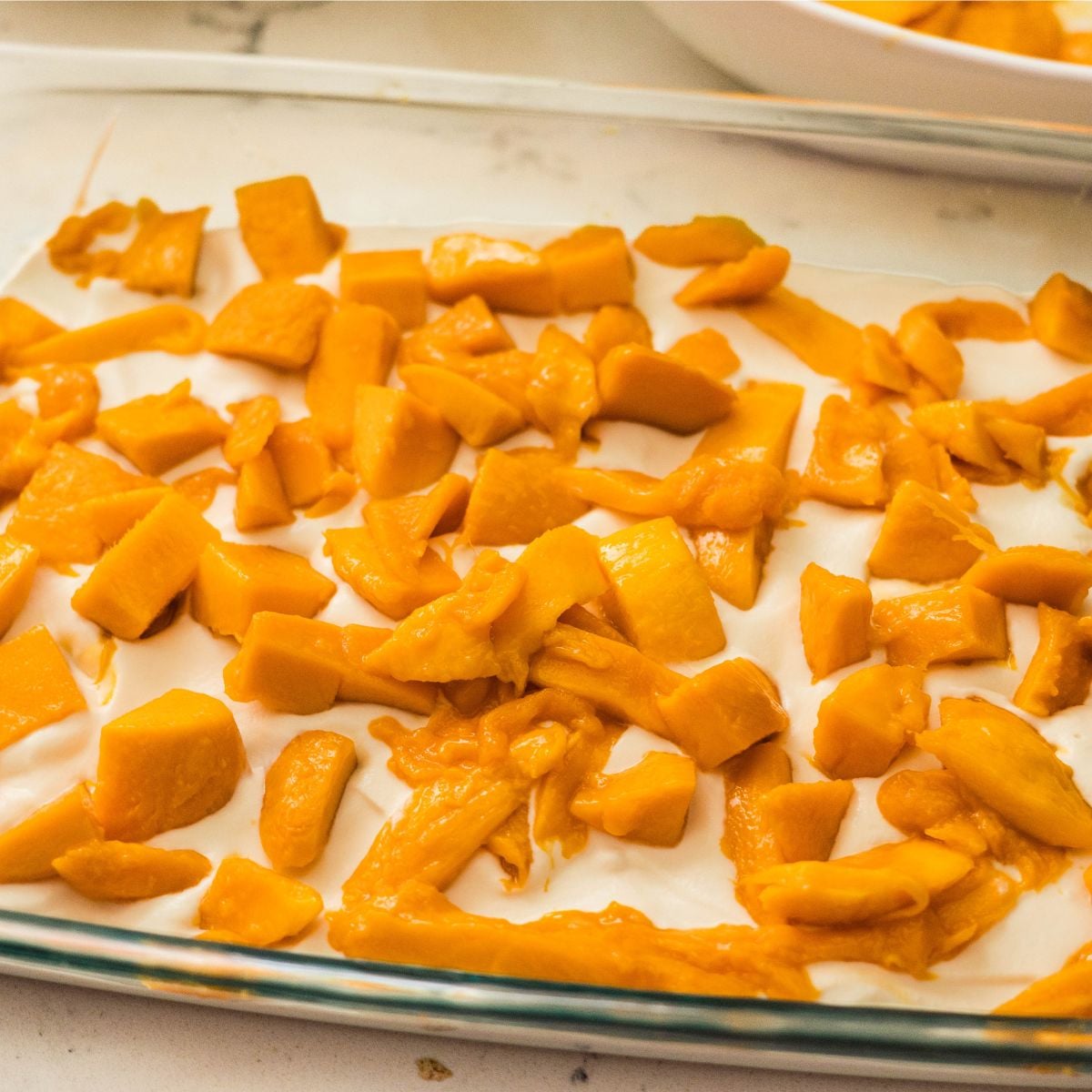
- Add half the mangoes. Scatter them evenly across the cream. Even coverage means every slice gets mango rather than some getting a mouthful and others getting none.
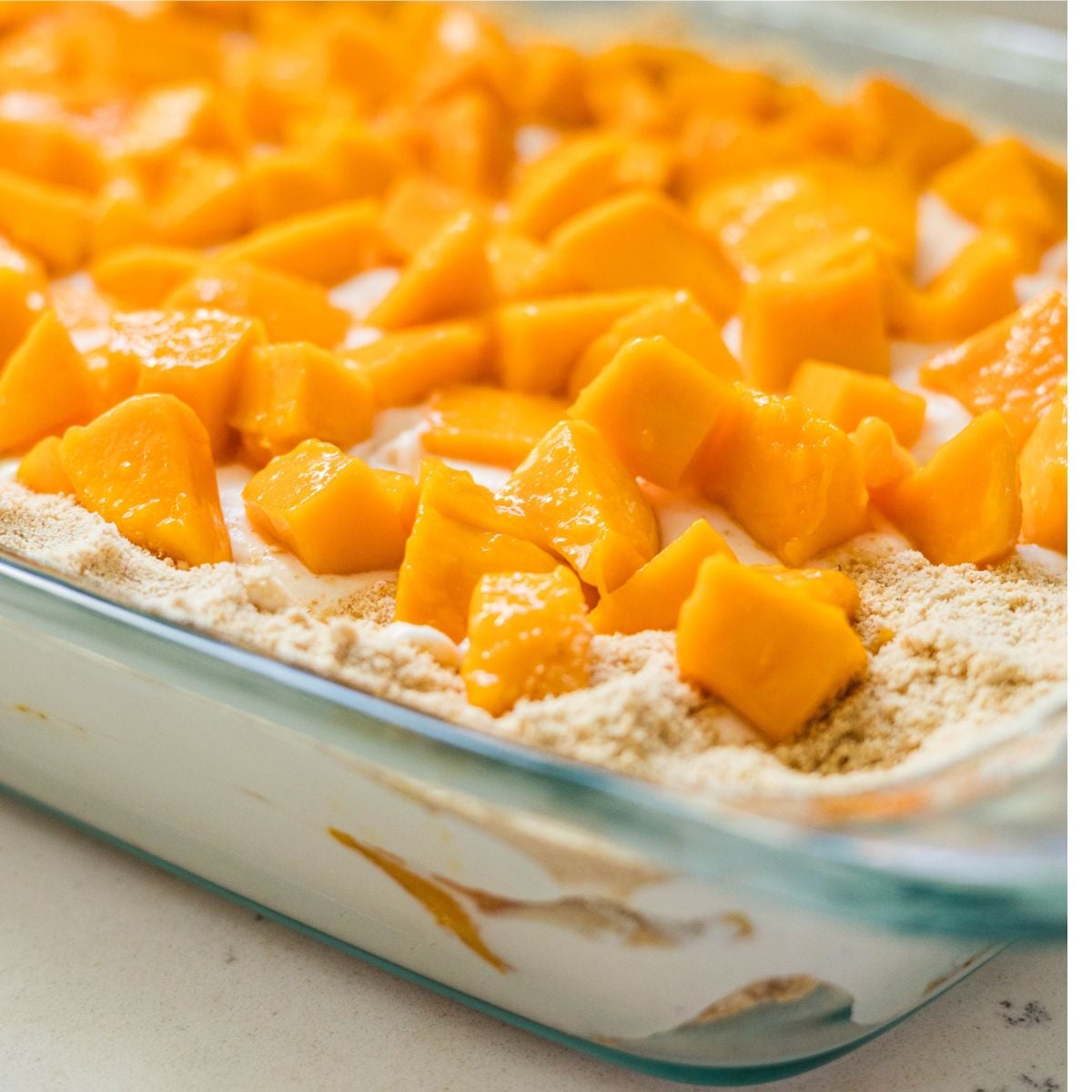
- Repeat the three layers. Graham crackers, the rest of the cream, then the rest of the mangoes on top. That's two full layers and you're done building. Crush the leftover graham crackers and scatter them around the border. This is decoration only. It doesn't change the texture or make the slices any easier to cut, so skip it without worrying about it.
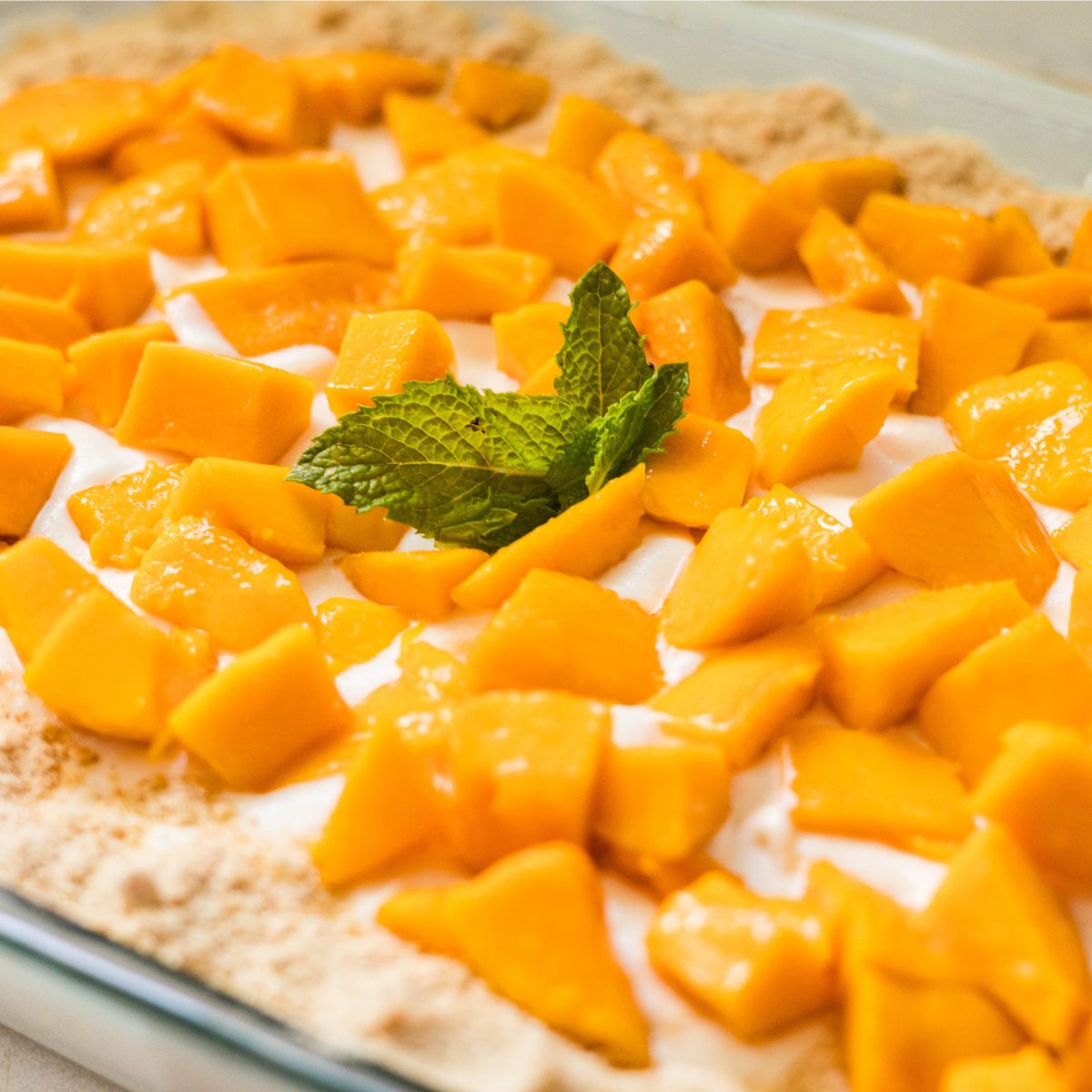
- Chill. Cover and refrigerate for at least 6 hours, preferably overnight. This is where the dessert actually happens: the crackers pull moisture out of the cream and go from crisp to cake-soft. Six hours gets you there, but overnight is noticeably better.
Rose's Top Tips
- Whip the cream, don't stir it in. This is the change that made the biggest difference for me. Stirred cream sets soft and the layers slide apart when you cut. Whipped cream holds its shape, and the texture comes out light rather than heavy.
- Add the condensed milk gradually, not all at once. You just beat air into that cream, and dumping in a full can knocks it back out. Pouring it in slowly while the mixer runs keeps the volume you worked for.
- Start with everything cold. Cold cream whips faster and holds better. Warm cream takes longer to come together and can break before it gets there.
- Fill the gaps in the graham layer. Break crackers to fit the edges and corners rather than leaving space. Gaps are where a slice loses its footing and falls apart on the way to the plate.
Chill or Freeze, Which to Pick
Both work. The difference is texture, not correctness.
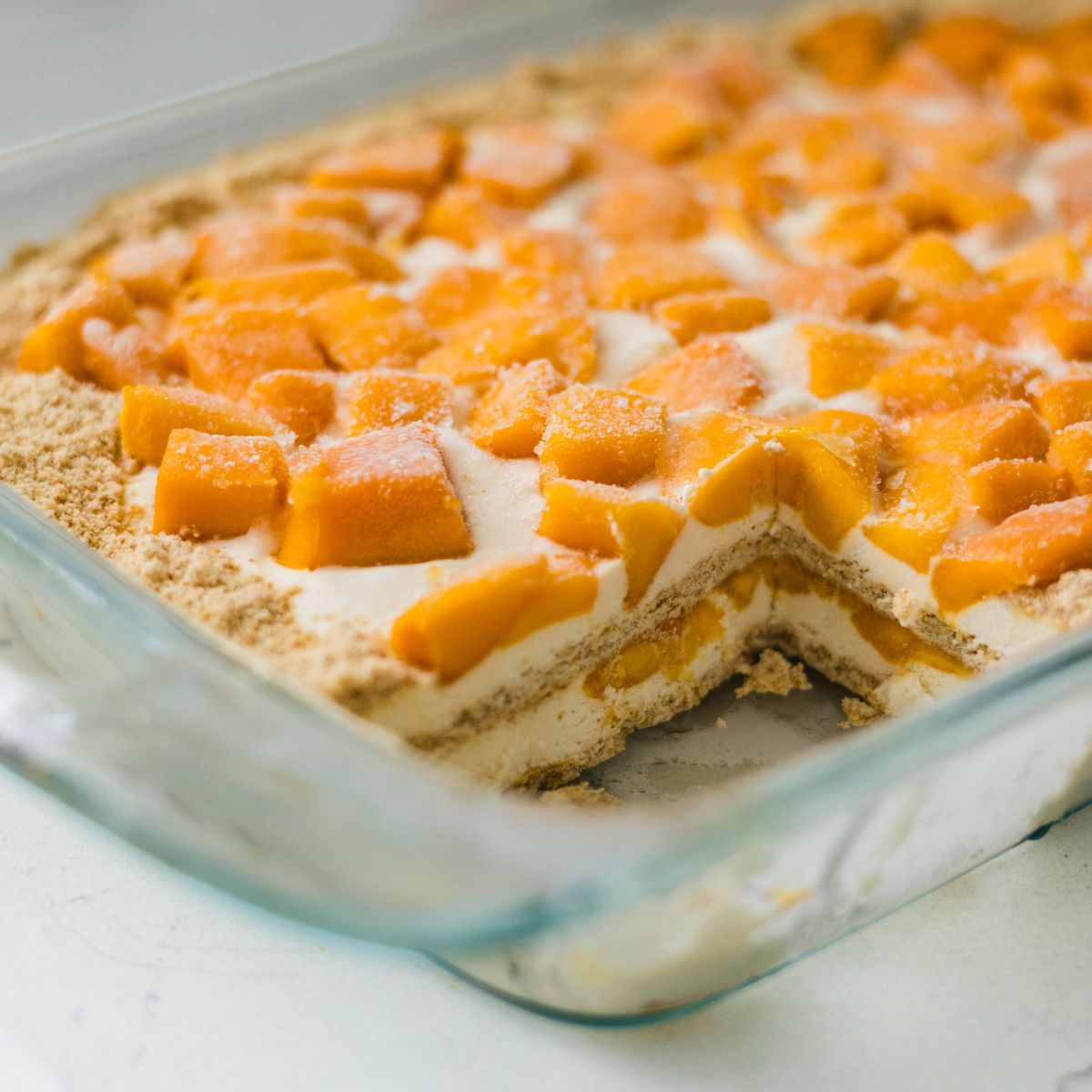
Chilled is the standard. Six hours in the fridge, preferably overnight, and the crackers have gone cake-soft while the cream stays set but spoonable. The mango tastes fresh and the slices hold.
Frozen turns it into something closer to an ice cream bar. The cream firms up, the graham layers stay soft rather than hard, and it cuts into clean squares. My family likes it a bit frozen, not solid, so this is how it usually ends up in my house.
One thing to know: freezing is a step after chilling, not instead of it. The crackers need those fridge hours to pull moisture from the cream and soften. Skip straight to the freezer and they never get the chance.
- Party dessert that sits out while people serve: chilled
- Clean, sharp squares: an hour in the freezer before slicing
- Eaten like ice cream: leave it longer, then a few minutes on the counter before cutting
Variations
- Swap the graham crackers for ladyfingers. This is the older version of the dessert and it's what a lot of Filipino households use. Ladyfingers soften the same way and give you a slightly sponge-like layer instead of a cookie-like one. Same method, same chill time.
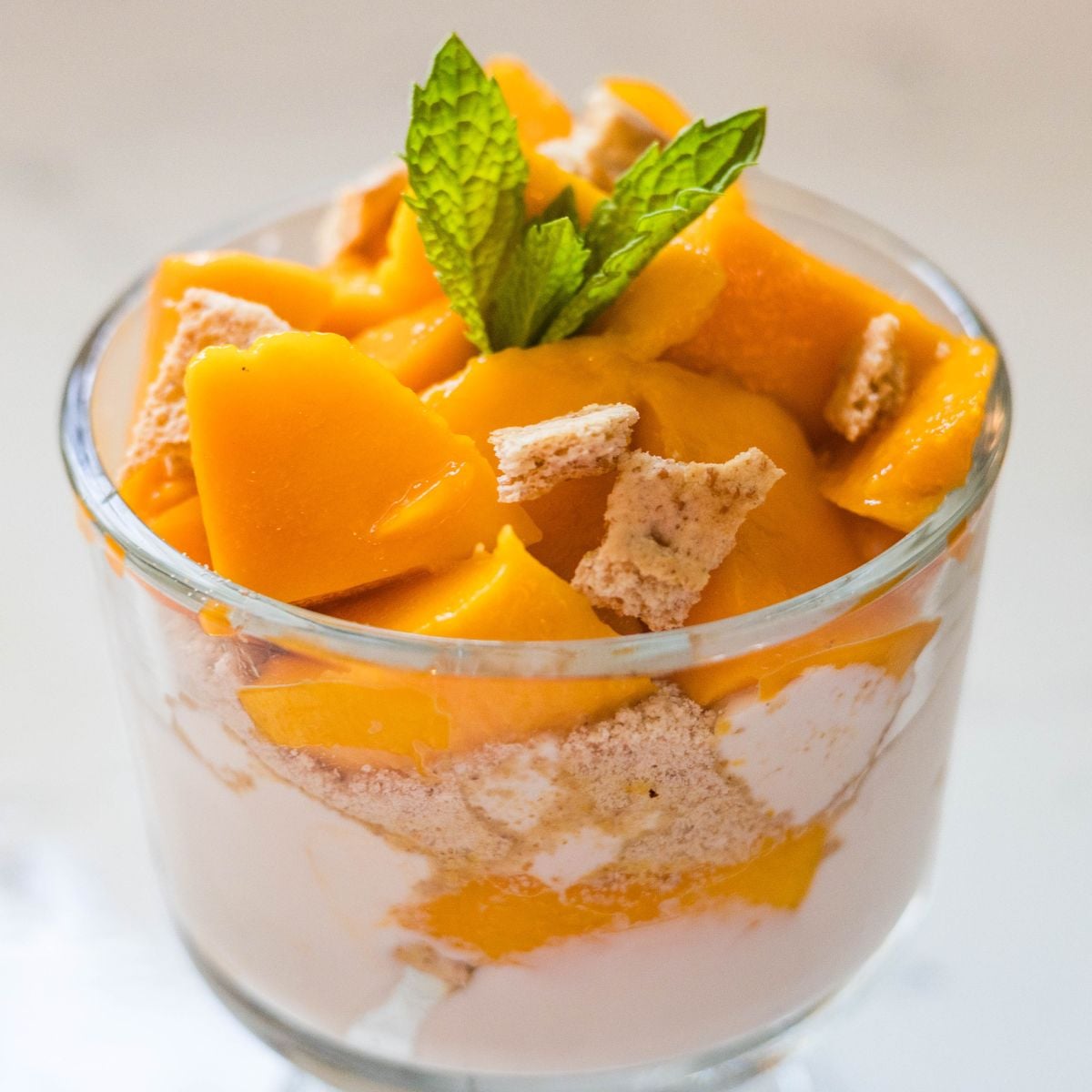
- Make it in a trifle bowl or individual glasses. Same layers, no pan, and you skip the slicing question entirely. Worth doing when you want it portioned ahead or when the tray is more dessert than you need.
- Peaches instead of mangoes. I've made it with jarred peaches and it works the same way. They come already sliced, so there's no peeling or cutting, and they're available year round when good mangoes aren't. Drain them well and pat them dry before layering, since the syrup they sit in is loose enough to thin the cream.
Storage
Keep it covered in the fridge. The pan lid works, or plastic wrap pressed over the top.
Eat it within a day or two. Mango float keeps longer than that in the technical sense, but the mango on top starts to brown, and that's the part everyone sees. This is not a dessert that improves on day three.
For longer, move it to the freezer, where it keeps about a month. Past that you start getting freezer burn, which shows up on the cream layer first. Wrap it well and don't plan on it lasting the season.
Thaw for about an hour before serving. Straight from the freezer it's too hard to cut cleanly and the mango flavor stays muted until it warms up a little.
Recipe FAQs
Crema de mangga, mango royale, mango graham cake, and mango graham float all refer to the same dessert. The names vary by household and region, and some versions use ladyfingers where others use graham crackers.
It has to be made ahead, at least six hours and preferably overnight, since that's how the crackers soften. Beyond overnight is where it gets tricky: the mango on top starts to brown, so the day before is the sweet spot rather than two or three days out.
I use fresh. I have made it with jarred peaches, which come pre-sliced and work well, so jarred fruit is a reasonable direction if fresh mangoes aren't available. Drain and pat dry whatever you use, since loose syrup or thawing liquid thins the cream.
The usual reason is the cream. It needs to reach soft to medium peaks before the condensed milk goes in, and the condensed milk should be poured in gradually so the air stays in. Cream that was warm to start, or that had a full can dumped into it at once, sets soft and slides when you slice.
No. Chilled is the standard version and it slices fine. Freezing is optional, either an hour for cleaner squares or longer if you like it firm and ice-cream-like.
A day or two in the fridge before the mango browns, or about a month in the freezer. Thaw for about an hour before serving.
More Filipino Desserts
Looking for other recipes like this? Try these:
- Mango Bango: the fastest way to use up the rest of the box. Mango, cream, condensed milk, no layering and no overnight chill.
- Avocado with Condensed Milk: same no-bake, two-ingredient territory, about as simple as Filipino desserts get.
- Ninja Creami Mango Ice Cream: where the rest of my box usually ends up.
- Banana con Yelo: shaved ice, sweetened bananas, and milk. Another chilled Filipino dessert that needs no oven.

Did you try this recipe?
Share how it turned out in the comment box below, and if you loved it, share it on Facebook, Pinterest & Instagram.
Thank you!

Filipino Mango Float
Equipment
- 9x13-inch pan with a lid
- electric mixer or stand mixer
- MIxing Bowl
- Spatula
Ingredients
- 2 cups heavy whipping cream cold
- 14 ounces sweetened condensed milk
- 4 to 5 ripe mangoes diced
- 12 to 16 graham crackers sheets
- 1 teaspoon vanilla extract optional
- Pinch of salt optional
Instructions
- Peel and dice the mangoes, setting aside the best pieces for the top. Keep any collected juice out of the bowl.4 to 5 ripe mangoes
- Whip the cold cream to soft to medium peaks. Pour in the condensed milk gradually, along with the vanilla and salt if using, and mix just until combined and fluffy.2 cups heavy whipping cream, 14 ounces sweetened condensed milk, 1 teaspoon vanilla extract, Pinch of salt
- Line the bottom of the pan with a single layer of graham crackers, breaking pieces to fill the edges and corners.12 to 16 graham crackers
- Spread half the cream mixture over the crackers, all the way to the edges.
- Scatter half the mangoes evenly over the cream.
- Repeat: graham crackers, the rest of the cream, then the rest of the mangoes on top.
- Crush any leftover graham crackers and scatter them around the border. Decoration only, skip if you like.
- Cover and refrigerate at least 6 hours, preferably overnight.
- For cleaner squares, freeze about 1 hour before slicing.
Save This Recipe 💌
Notes
- The graham crackers go in dry. They soften during the chill by pulling moisture from the cream, so don't soak or soften them first.
- Start with cold cream and a cold can of condensed milk. Warm cream takes longer to whip and can break before it holds peaks.
- Pour the condensed milk in gradually rather than all at once, so you keep the air you just beat into the cream. This is what lets the layers hold their shape when you slice.
- Use fully ripe mangoes. Ataulfo, also sold as honey or champagne, are what I use. Tommy Atkins and Kent work when ripe, though Tommy Atkins runs fibrous. Judge by smell and feel at the stem end, not by color.
- Keeps 1 to 2 days in the fridge before the mango on top starts to brown, or about 1 month in the freezer. Thaw about 1 hour before serving.
- Freezing is optional and comes after chilling, not instead of it. The crackers need the fridge hours to soften.