

Most Filipino households make sawsawan without a recipe. A splash of Datu Puti, some garlic, chopped onion, maybe a chili and that's it. The problem is the ratio changes every time, and sometimes it's sharp when it should be bright.
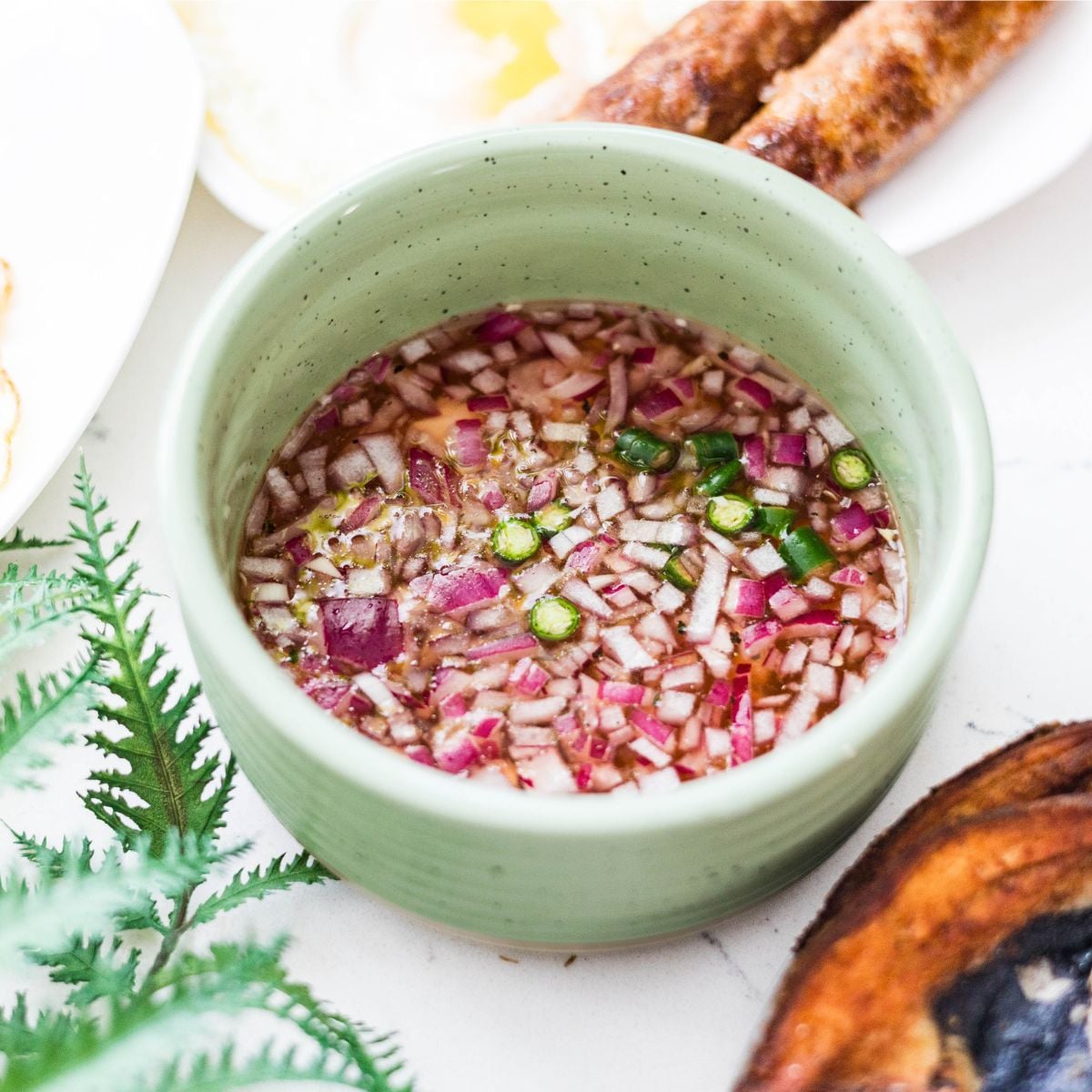
This is the version I landed on after years of adjusting. Cane vinegar, calamansi, and just a pinch of sugar that last part is what makes it feel complete instead of just acidic.
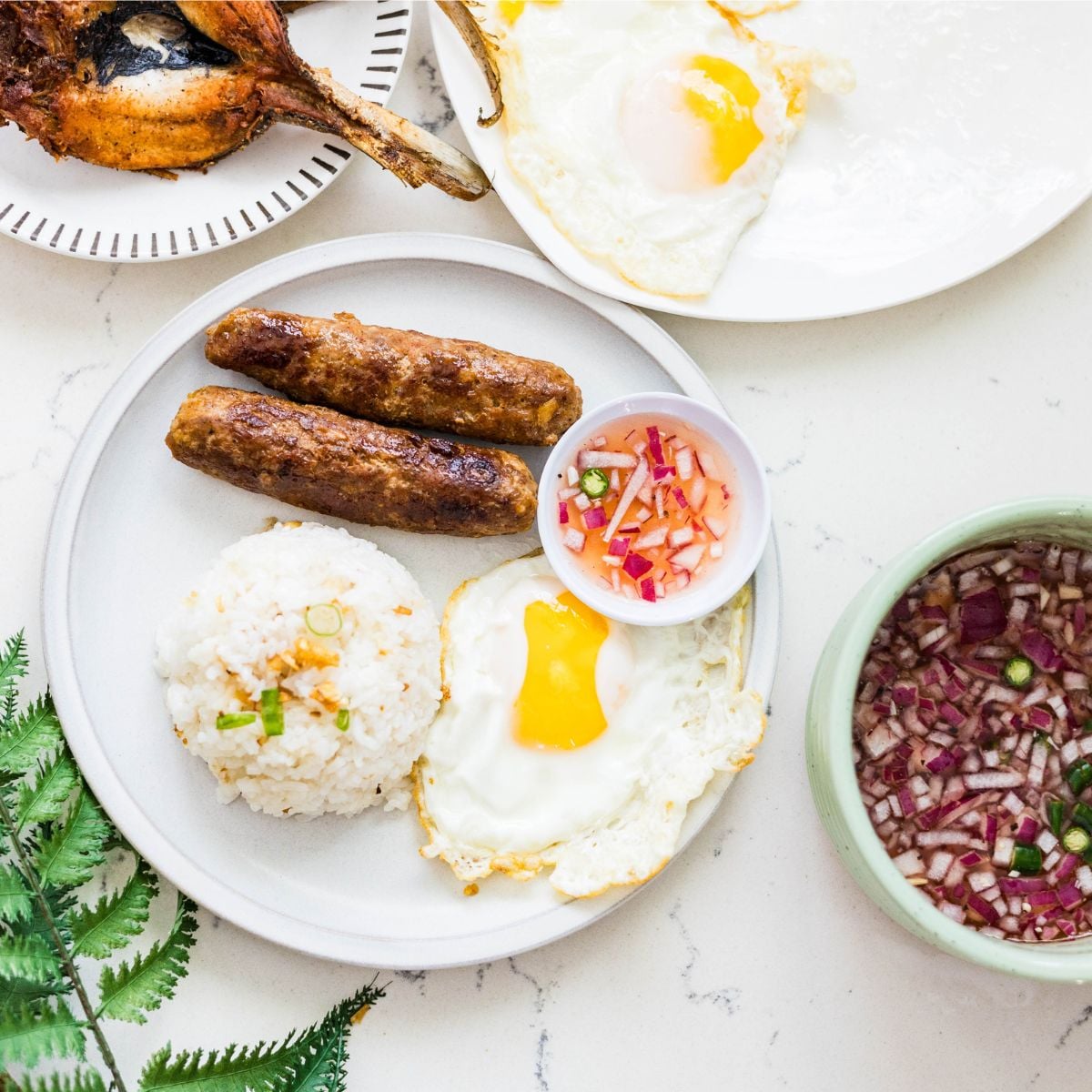
Growing up, my mom never measured anything when she made it. A little of this, taste it, a little more of that. This recipe is my version of that instinct, written down so you can get it right every time. It belongs next to anything fried, grilled, or savory. Think lechon kawali, fried fish, and even Filipino breakfast favorites like beef tapa and longganisa.
Save This Recipe 💌
Sawsawan is less a recipe and more a way of thinking about flavor. In Filipino cooking, what you put next to a dish matters as much as the dish itself. Every region has its own version - palm vinegar, bagoong, more chili. This one uses Datu Puti cane vinegar because that's what I grew up with and what I still reach for.
It's sharp enough for fried food, balanced enough for grilled dishes, and easy to adjust for heat. And if you've never tried it with fried tilapia and garlic rice, that's your next meal sorted.
Jump to:
What Is Sawsawan?
Sawsawan just means dipping sauce in Filipino. It's not one specific recipe - it's a whole category. Spiced vinegar, soy-calamansi, bagoong, atchara on the side. Filipinos treat condiments seriously, and sawsawan is usually the first thing that hits the table.
This version is the vinegar-based one, which is the most common and the most versatile. It's the sauce you see at every Filipino street food setup, next to every order of lechon kawali, and on every table where lumpia is involved. The backbone is cane vinegar, and everything else builds around it.
Why You'll Love This
- 5-minute sauce - Chop, stir, done. No cooking required.
- Goes with everything fried, grilled, or roasted - It's that versatile.
- Adjustable heat - One Thai chili or three, your call.
- Better the next day - Make it ahead and the flavors come together overnight.
- The real thing - Datu Puti cane vinegar, not a substitute.
Ingredients
Here's what you'll need:
- Datu Puti cane vinegar - Use this if you can find it. Cane vinegar is milder and slightly sweeter than white distilled, with a clean sourness that doesn't overpower everything else. The 660ml bottle is worth it because you'll reach for it well beyond this recipe.
- Red onion - Chop it small so you get a little in every bite. Red onion holds up in vinegar better than yellow and has the sharper flavor sawsawan needs.
- Garlic - Minced fine or grated. Raw garlic is sharp at first and mellows as the sauce sits. If you want a softer flavor, let it rest a few hours before serving.
- Calamansi - This is what separates a good sawsawan from a great one. It adds a bright, slightly floral sourness that regular lime doesn't quite replicate. Fresh is best. Bottled juice works if that's what you have.
- Thai chili - Heat without muddying the flavor. Start with one, go up to three if you want real kick.
- Sugar - Just a pinch. It doesn't make the sauce sweet, it rounds out the sharpness so it doesn't taste flat.
See recipe card for quantities.
How to Make Filipino Vinegar Dipping Sauce
- Prep your aromatics. Chop the red onion small - you want pieces that will fit on a spoon. Mince or finely grate the garlic cloves. Slice the Thai chili into thin rounds, or leave them whole if you want heat without full intensity.
- Combine. Add the chopped onion, garlic, and chili to a small bowl or jar. Pour in the Datu Puti cane vinegar. Start with about half a cup and adjust from there depending on how much sauce you need.
- Season. Add a pinch of sugar, salt, and pepper. Squeeze in the calamansi juice. Stir everything together.
- Taste and adjust. This is the most important step. Taste it. Too sharp? Add a little more sugar or another squeeze of calamansi. Not enough heat? Add another chili. Needs more brightness? More calamansi. Sawsawan is meant to be tasted and adjusted, not just followed to the letter.
- Rest if you can. The sauce is good right away, but it gets noticeably better after 30 minutes. The garlic mellows, the onion softens slightly, and everything comes together. If you have time, make it ahead.
Rose's Top Tips
- Chop the onion small. This isn't decorative - small pieces mean you get flavor in every dip without biting into a big raw onion chunk.
- Use fresh calamansi when you can. Bottled works, but fresh calamansi has a brightness that bottled juice doesn't fully capture. If you're near a Filipino grocery, grab a bag.
- Make more than you think you need. It keeps in the fridge for up to a week and gets better every day. The first batch always runs out faster than expected.
- Taste before you serve. Vinegar brands vary in acidity. Datu Puti is consistent, but if you're using a different cane vinegar, your starting point might need adjusting.
- Let it sit. Even 20-30 minutes makes a real difference. Raw garlic in vinegar is sharp and a little harsh fresh. Give it time and it softens into something much better.
What to Serve It With
This sauce belongs next to anything fried, grilled, or roasted. A few specific pairings worth knowing:
- Lechon kawali - Crispy pork belly and sharp vinegar sauce is one of those combinations that just works. Always on the table on crispy pork belly nights.
- Lumpiang Prito - Classic pairing. The vinegar cuts through the richness of the filling exactly the way it should.
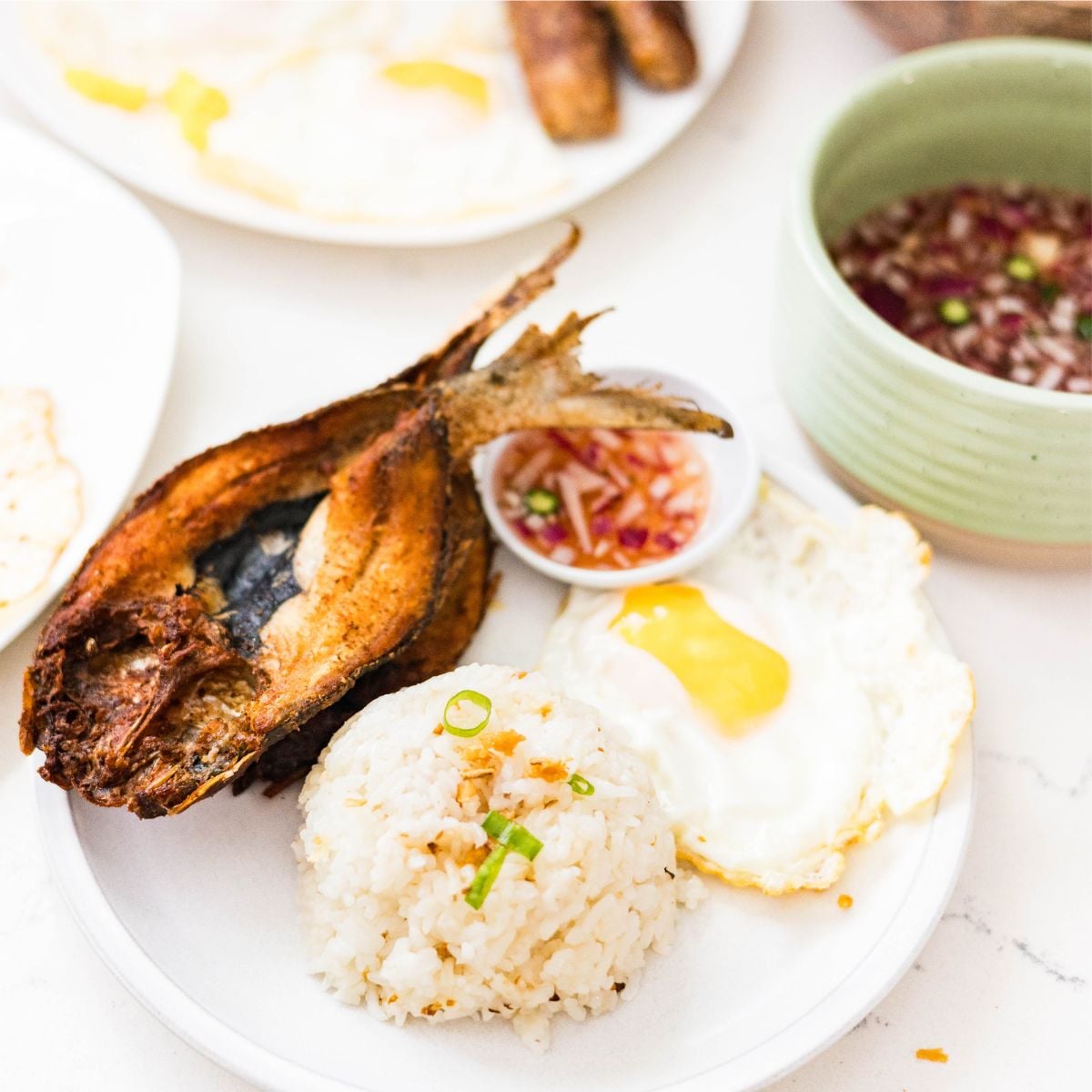
- Fried tilapia - Sawsawan, fried fish, garlic fried rice. That's a complete meal.
- Inihaw na pusit - Grilled squid is already good. With this on the side, it's something you'll keep making.
- Street food - Fishballs, kwek kwek, isaw. If you've eaten street food in the Philippines, you already know sawsawan is always nearby. This is the homemade version.
- Ukoy – These crispy Filipino shrimp fritters are especially good dipped in sharp, garlicky sawsawan.
Keep a jar in the fridge and it disappears faster than you'd expect.
For a smoky vegetable side with the same bright vinegar flavor, serve Filipino Eggplant Salad alongside your fried fish or grilled pork.
Storage
Store in an airtight jar or container in the refrigerator for up to 1 week. The flavor actually improves over the first day or two as the garlic and onion mellow into the vinegar.
Give it a quick stir before serving since the ingredients settle to the bottom.
Recipe FAQs
Cane vinegar is the traditional choice for Filipino vinegar dipping sauce. Datu Puti is the most widely available brand and what most Filipino households use. It has a milder, slightly sweeter flavor than white distilled vinegar. Palm vinegar is another traditional option with a more complex flavor. Avoid using apple cider vinegar or balsamic - the flavor profiles are too far off
You can, but the sauce is better with it. Calamansi adds a brightness and floral note that regular lime doesn't quite replicate. If you can't find it, a small squeeze of lime is the closest substitute. Lemon works too but is a little heavier. Use less than you think you need and taste as you go.
Up to one week in an airtight container. The garlic will mellow and the flavor will deepen over time. By day two or three, it's usually at its best.
Similar concept, slightly different execution. Fishball sauce is typically sweeter and sometimes thicker, made with a mix of soy sauce, brown sugar, and vinegar. This sawsawan is more vinegar-forward and more versatile. Both are sawsawan - just different styles.
Yes, but reduce the amount slightly since white vinegar is sharper and more acidic. Add more sugar to balance it out. The flavor won't be identical but it'll still work as a dipping sauce.
More Recipes You'll Love
- Filipino Salsa
- Atchara (Filipino Pickled Papaya)
- Chicken Lumpiang Shanghai
- Lechon Kawali (Crispy Pork Belly Sisig)

Did you try this recipe?
Share how it turned out in the comment box below, and if you loved it, share it on Facebook, Pinterest & Instagram.
Thank you!


Filipino Vinegar Dipping Sauce (Sawsawan)
Equipment
- 1 small bowl or jar
- 1 Cutting board
- Knife
Ingredients
- ½ cup Datu Puti cane vinegar
- ¼ cup water
- 1 small red onion finely chopped
- 3 garlic cloves minced or finely grated
- 1 to 3 Thai chilies sliced
- 2 tablespoons calamansi juice
- 2 teaspoons sugar or to taste
- ½ teaspoon salt or to taste
- ⅛ teaspoon black pepper
Instructions
- Finely chop the red onion and mince or grate the garlic.
- Slice the Thai chili into thin rounds. Use 1 chili for mild heat or up to 3 for spicy.
- Add the onion, garlic, and chili to a small bowl or jar.
- Pour in the cane vinegar and calamansi juice.
- Add sugar, salt, and black pepper.
- Stir well, then taste and adjust as needed.
- Let it sit for 20 to 30 minutes if you have time so the garlic and onion mellow into the vinegar.
- Serve with lumpia, lechon kawali, fried fish, grilled seafood, tapa, longganisa, or Filipino street food.
Save This Recipe 💌
Notes
- Datu Puti cane vinegar gives this sauce a classic Filipino flavor, but other cane vinegar brands can work too.
- Fresh calamansi is best, but bottled calamansi juice works in a pinch.
- Start with less chili if serving kids or spice-sensitive guests.
- The sauce tastes better after resting because the garlic and onion soften in the vinegar.
- Store leftovers in an airtight container in the refrigerator for up to 1 week.
- Stir before serving because the garlic, onion, and chili will settle at the bottom.
- Do not freeze this sauce because the onion and garlic texture will break down.


Ella says
No calamansi where i live, is regular lime really that different?
Rose Sioson says
Hello Ella, Yes, lime is a decent sub, but it's a bit more sharp and less floral than calamansi. If you can find it, a mix of lime and a splash of orange juice gets you closer to that citrus flavor.