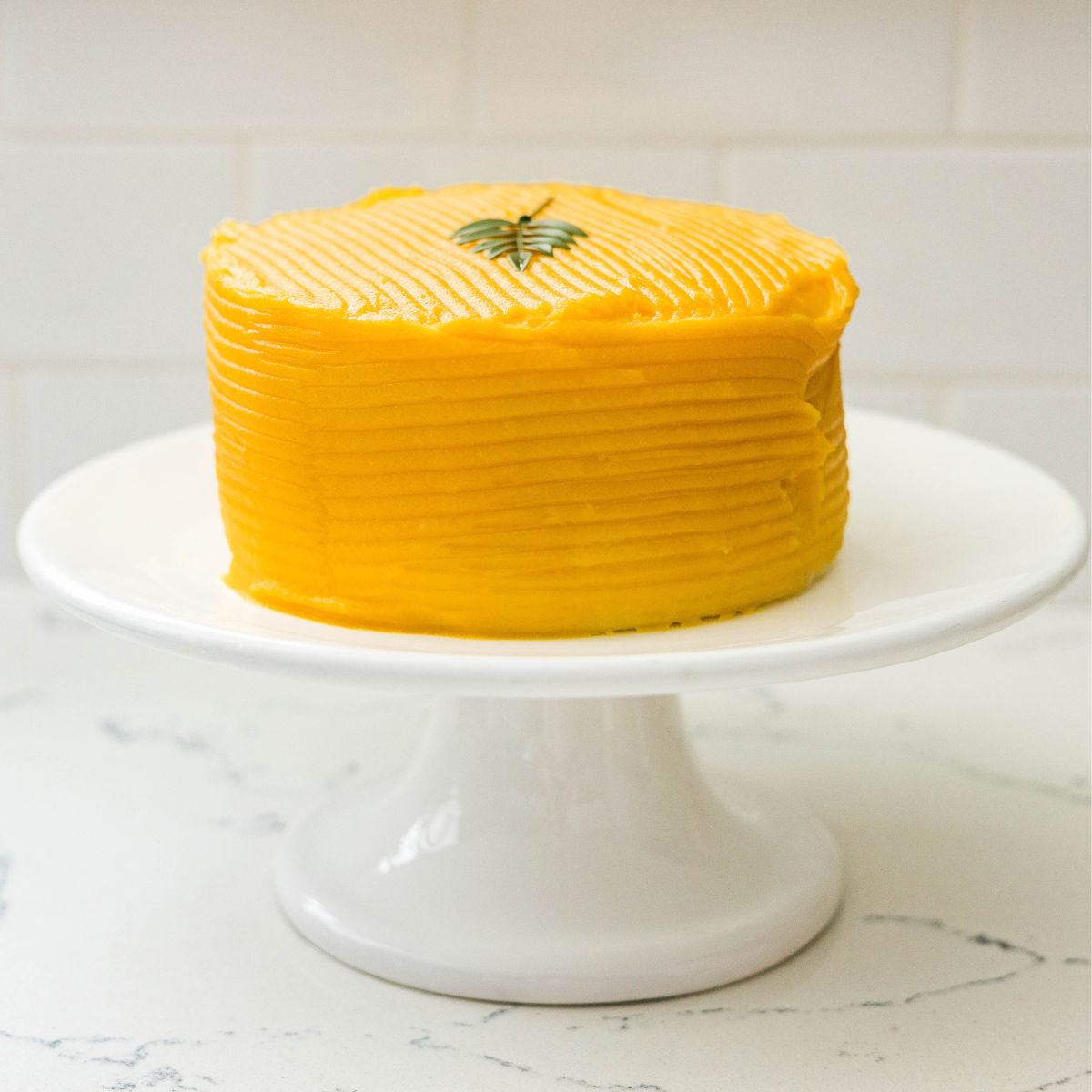
I have been wanting to make a yema cake that isn't too sweet and isn't too big. Most Filipinos I know would pick the less sweet dessert every time, and yema cake can easily go the other way. Most are also built for a crowd, and sometimes I just want something smaller that still feels like a proper cake.
So I made this one to fit a 6-inch pan. It's almost a personal-size cake, but still big enough to share.
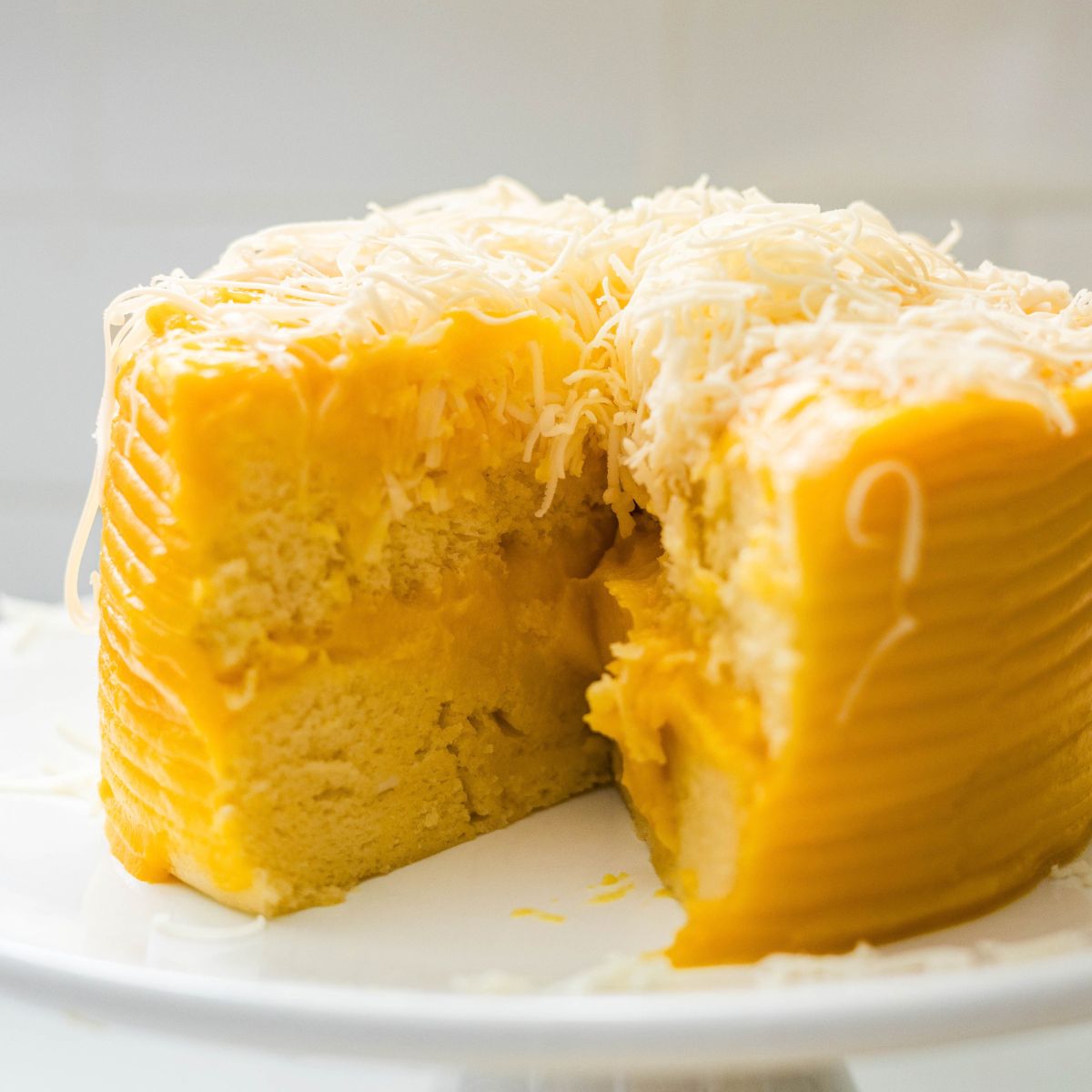
The chiffon stays light and fluffy while the yema frosting brings the rich, creamy part without tipping the whole thing into too sweet. A layer of yema in the middle, just enough to cover the outside, and it feels special without being a lot.
It's the kind of cake I make when I want something nice at home without committing to a huge one sitting in the fridge for days.
Save This Recipe 💌
Jump to:
- Why You'll Love This Yema Cake
- What Is Yema Cake
- Ingredients You'll Need
- How to Make Yema Cake
- Yema Frosting That Holds Its Shape
- Can You Bake It Instead?
- Rose's Top Tips
- Substitutions
- Variations
- How to Store and Serve
- What to Do With the Leftover Egg Whites
- Recipe FAQs
- More Filipino Desserts
- Did you try this recipe?
- Yema Cake
Why You'll Love This Yema Cake
- No oven needed. A bamboo steamer over a pot of simmering water does the whole job in 30 minutes, the same setup as puto. Useful if you don't have an oven, or don't want to heat one up for a 6-inch cake.
- Sized for a small household. Two 6-inch layers instead of a full-size cake. Enough to share, not enough to sit in the fridge for a week.
- Not too sweet. The yema frosting is cooked to a custard, so the condensed milk carries the sweetness and stops there.
- The frosting holds. It sets firm enough to fill the middle and cover the outside without sliding down the sides.
- Soft and moist all the way through. Steaming gives you a pale, tender crumb with no dry edges and no crust to cut through.
- A proper chiffon. Whipped meringue folded into the yolk batter is what keeps it light, even without an oven.
- Make it ahead. It keeps in the fridge, so you can put it together the day before and take it out shortly before serving.
What Is Yema Cake
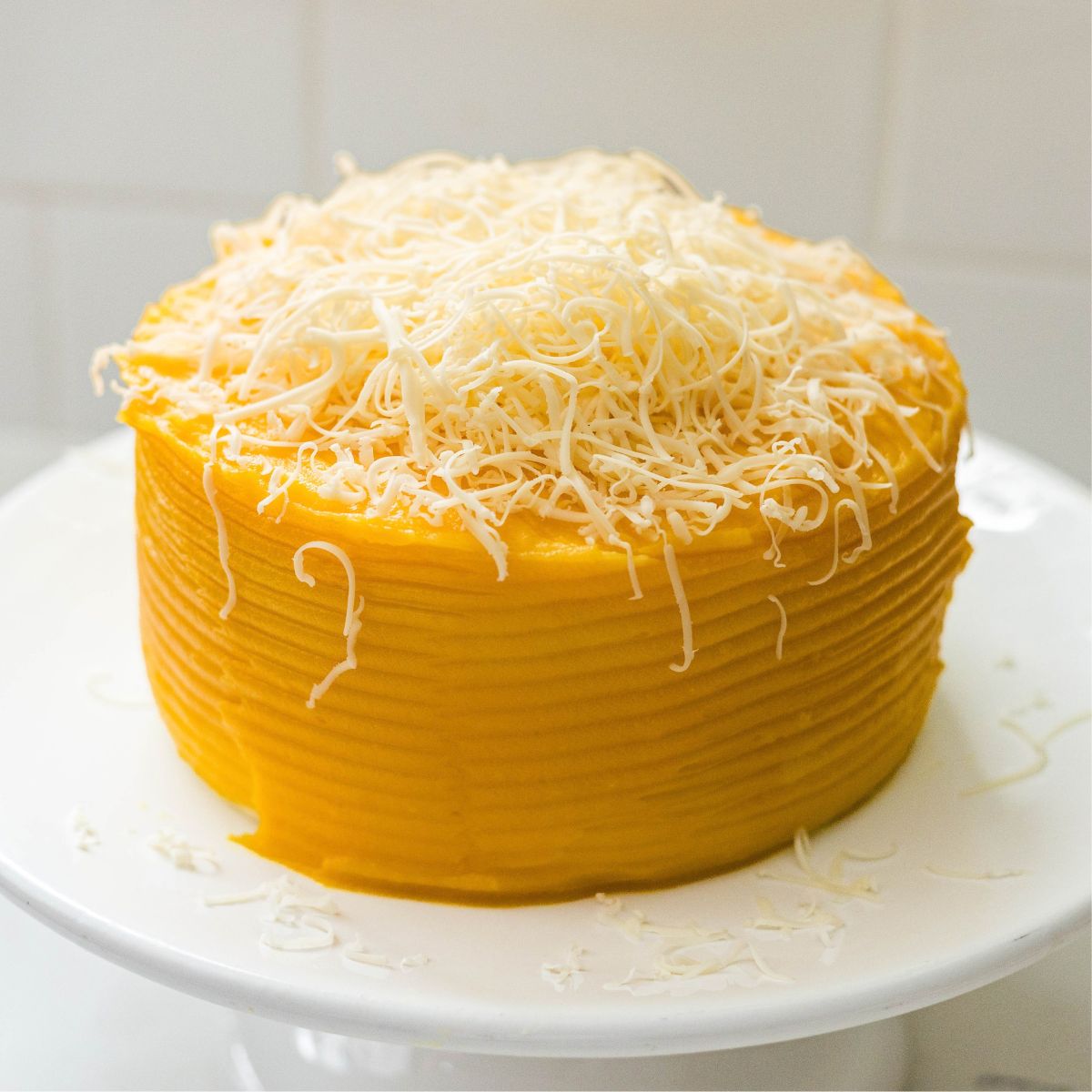
Yema cake is a Filipino chiffon cake layered and covered with yema, a cooked custard frosting made from egg yolks and condensed milk. It's usually finished with grated cheese on top, which gives it the sweet and salty combination Filipino bakeries are known for.
Yema comes from the Spanish word for egg yolk, and it started as a candy rolled into small pieces and wrapped in cellophane. The frosting is the same idea cooked to a softer stage, thick enough to spread but not firm enough to set into candy.
Filipino desserts tend to sit on the less sweet side, which is why the frosting here is cooked to a custard rather than a candy. The sweetness comes from the condensed milk and stops there.
Ingredients You'll Need
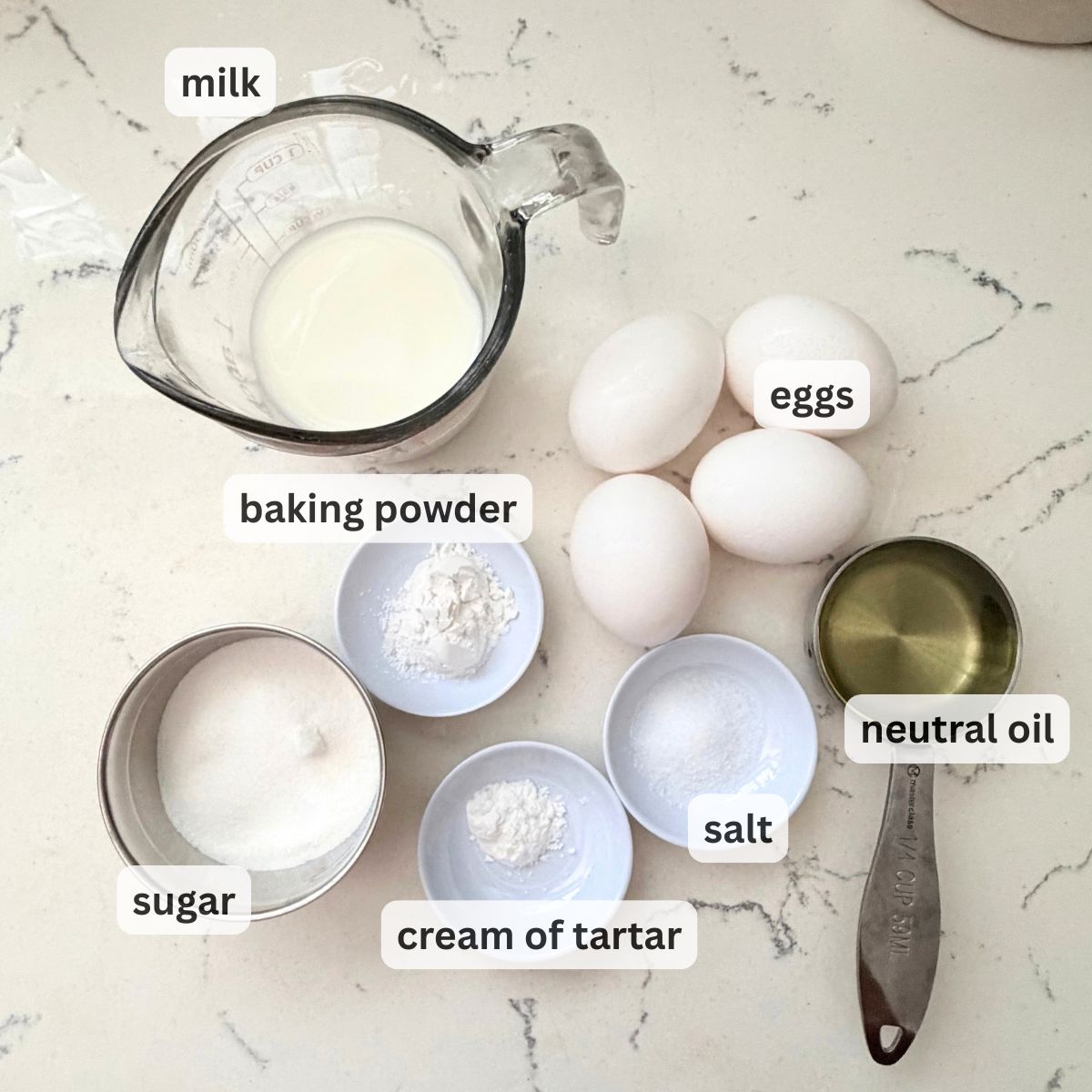
For the Chiffon
- Egg yolks. They carry the fat and the color, and they're what makes chiffon tender rather than spongy.
- Cooking oil. Oil instead of butter is what keeps a chiffon soft straight from the fridge. Butter firms up when cold and the crumb goes dense.
- Sugar. Split between the yolk batter and the meringue. The portion in the whites is what keeps the meringue stable while you fold.
- Milk. Evaporated milk gives a slightly richer crumb, regular whole or 2% works the same way. Either keeps the batter loose enough to fold without deflating.
- All-purpose flour. No cake flour needed here. The meringue is doing the lifting, not the flour.
- Baking powder. Backup lift for the meringue, which matters more in a steamer since there's no oven spring.
- Salt. Keeps the cake from tasting flat under a sweet frosting.
- Egg whites. Whipped to a meringue and folded in. This is the entire structure of the cake, so how you whip and fold them decides whether it comes out light or dense.
- Cream of tartar. Stabilizes the meringue so it holds while you fold. Without it the whites collapse faster and the batter loses volume.
For the Yema Frosting
- Egg yolks. They thicken the frosting into a custard as it cooks. This is what separates yema frosting from plain condensed milk caramel.
- Condensed milk. All the sweetness and most of the body. This is why the recipe needs no additional sugar.
- Milk. Loosens the condensed milk so the frosting cooks evenly and stays spreadable instead of stiff.
- Cornstarch. Insurance. It thickens alongside the yolks so the frosting sets reliably without needing to be cooked hard.
- Vanilla. Whisked in with everything else before the heat goes on, it rounds out the condensed milk so the frosting tastes like more than just sweetness.
- Salted butter. Stirred in at the end, off the heat. It smooths the frosting out and the salt cuts the sweetness.
- Grated cheese. I use Ques-O processed cheddar, the same kind Filipino bakeries use. Processed cheddar grates into soft shreds and holds its shape on the frosting instead of melting into it or drying out. The salty edge against the sweet yema is the point, and it's what makes this read as yema cake rather than a caramel-frosted chiffon.
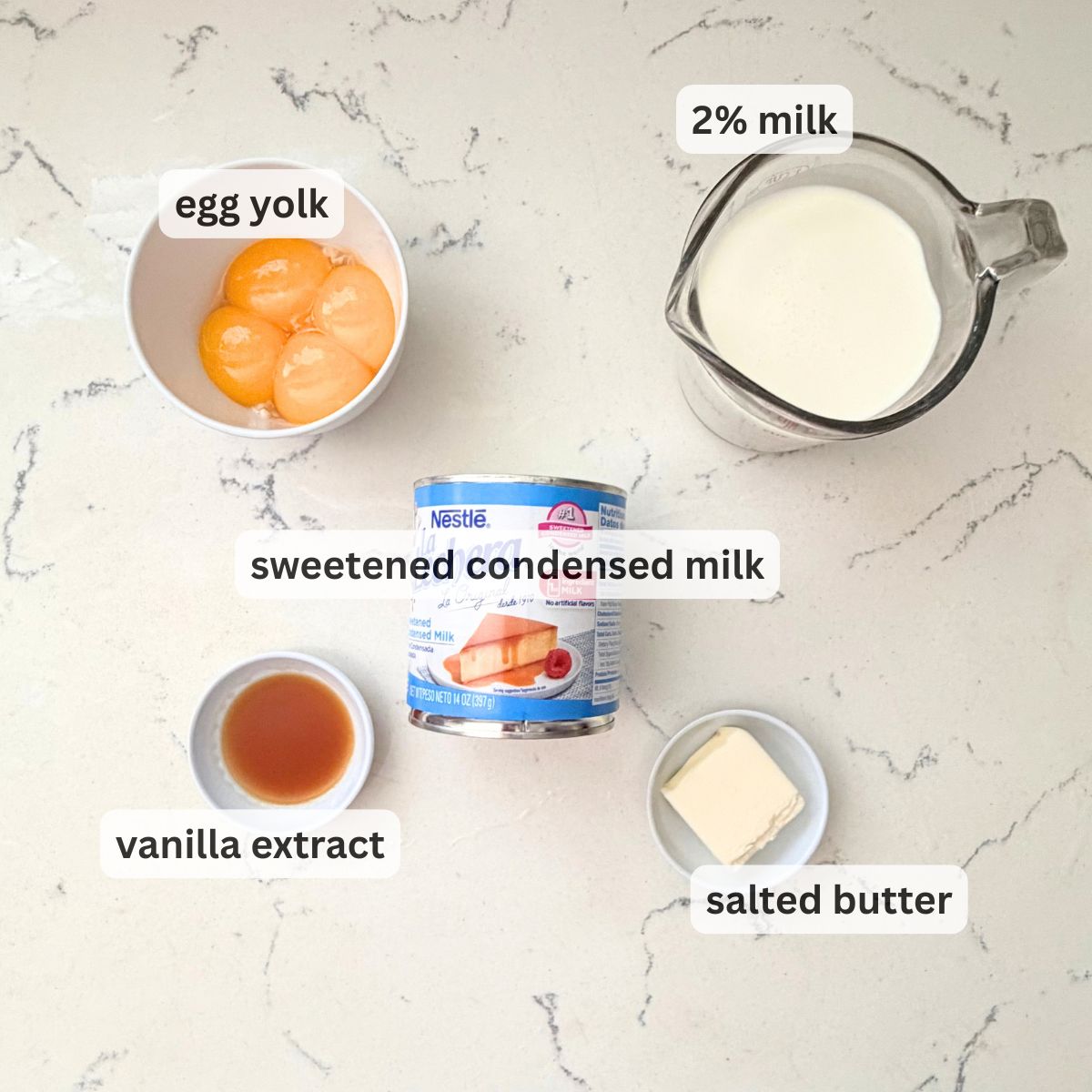
See recipe card for quantities.
How to Make Yema Cake
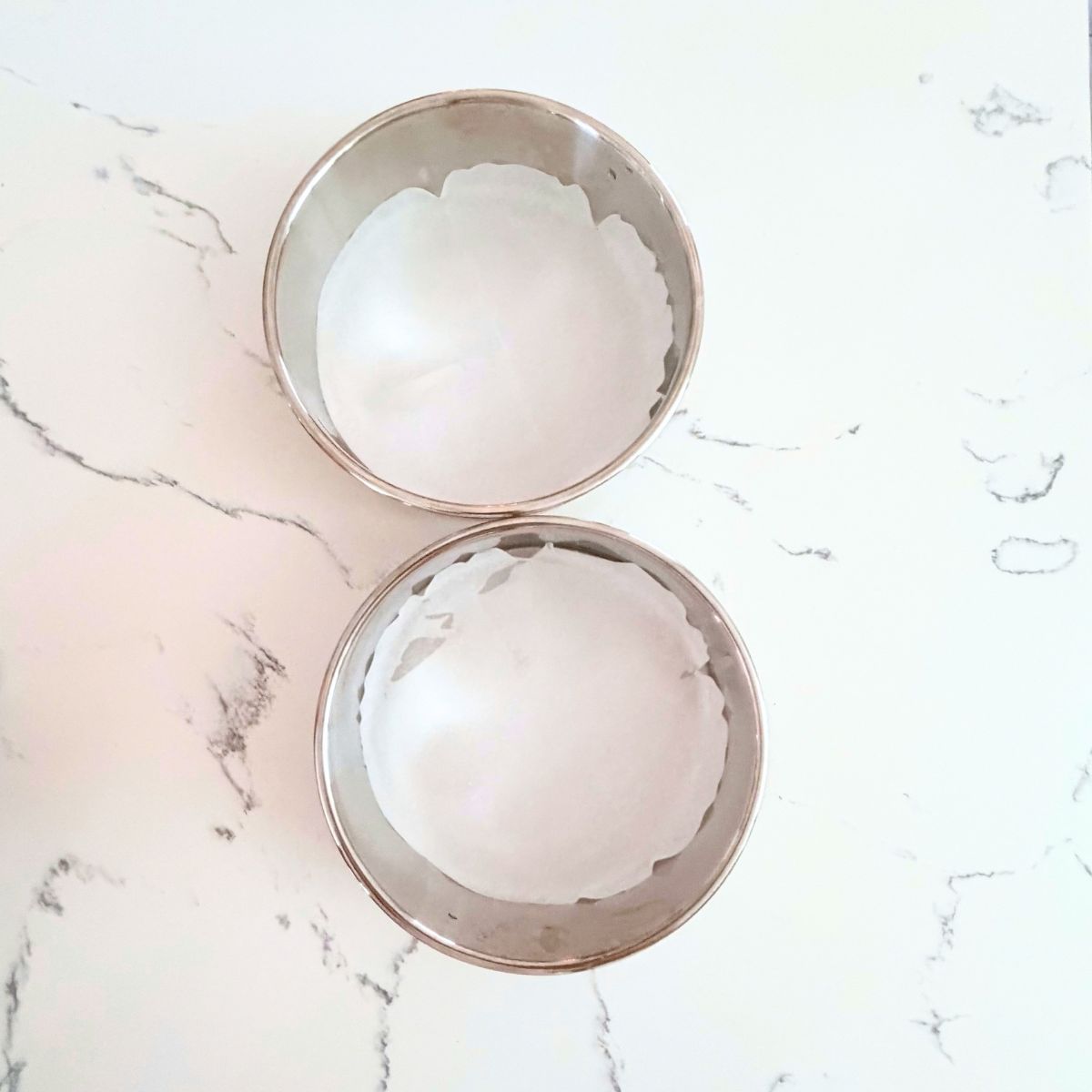
- Prepare the pans.
Line the bottoms of two 6x3 inch round pans with parchment. Leave the sides bare so the chiffon can climb as it rises.
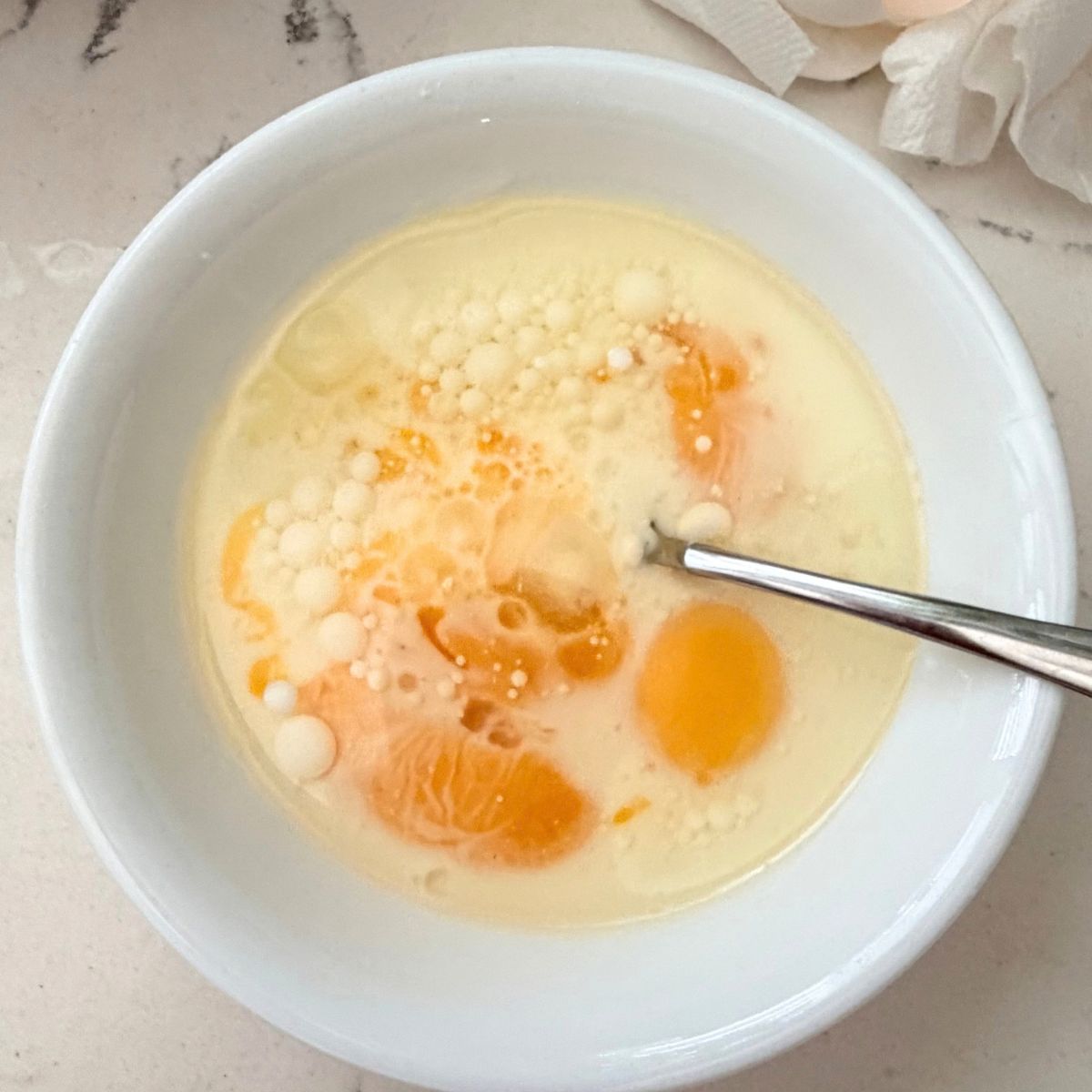
- Make the yolk batter.
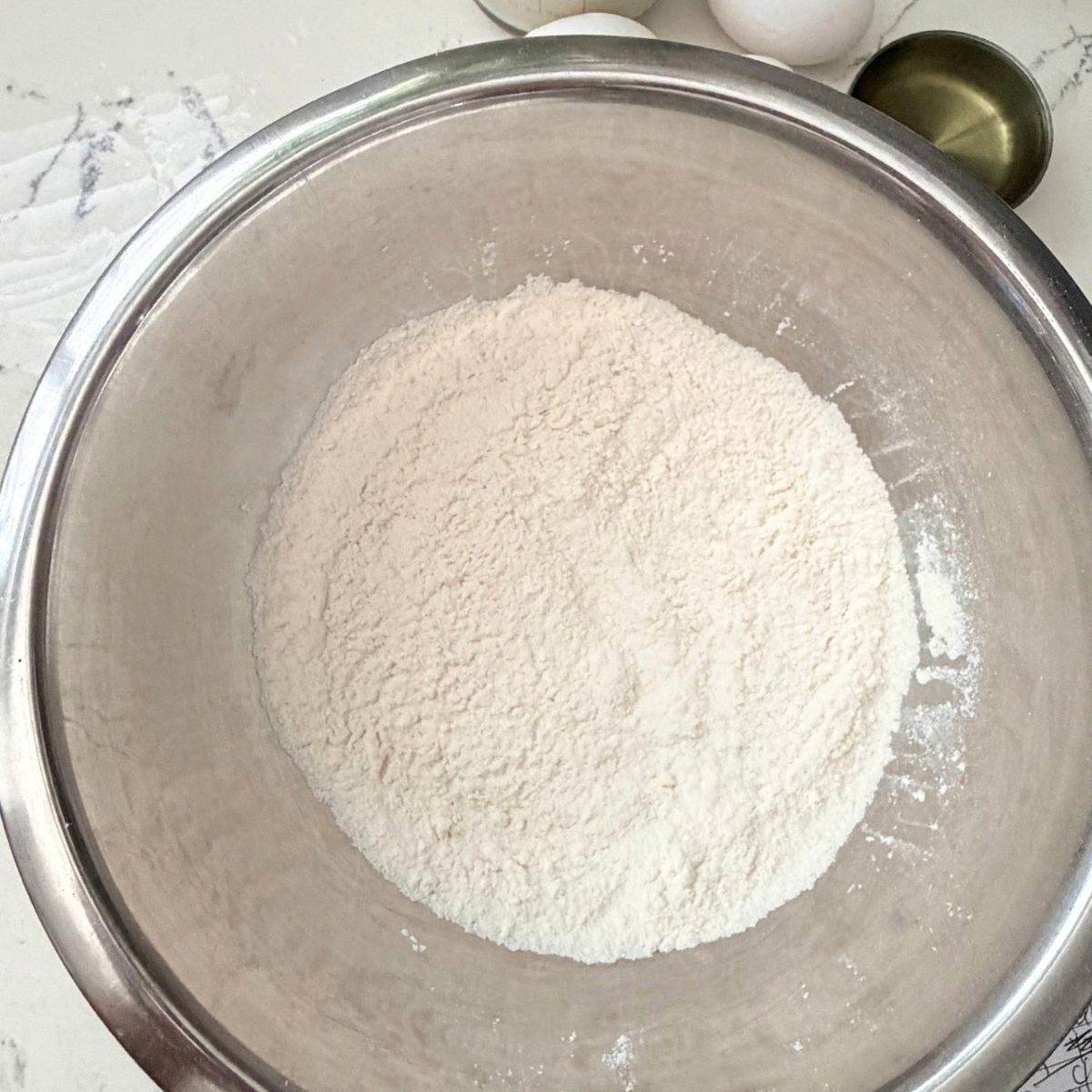
Whisk the egg yolks with the oil, sugar, milk, and salt until smooth. Sift in the flour and baking powder and whisk just until no streaks remain.
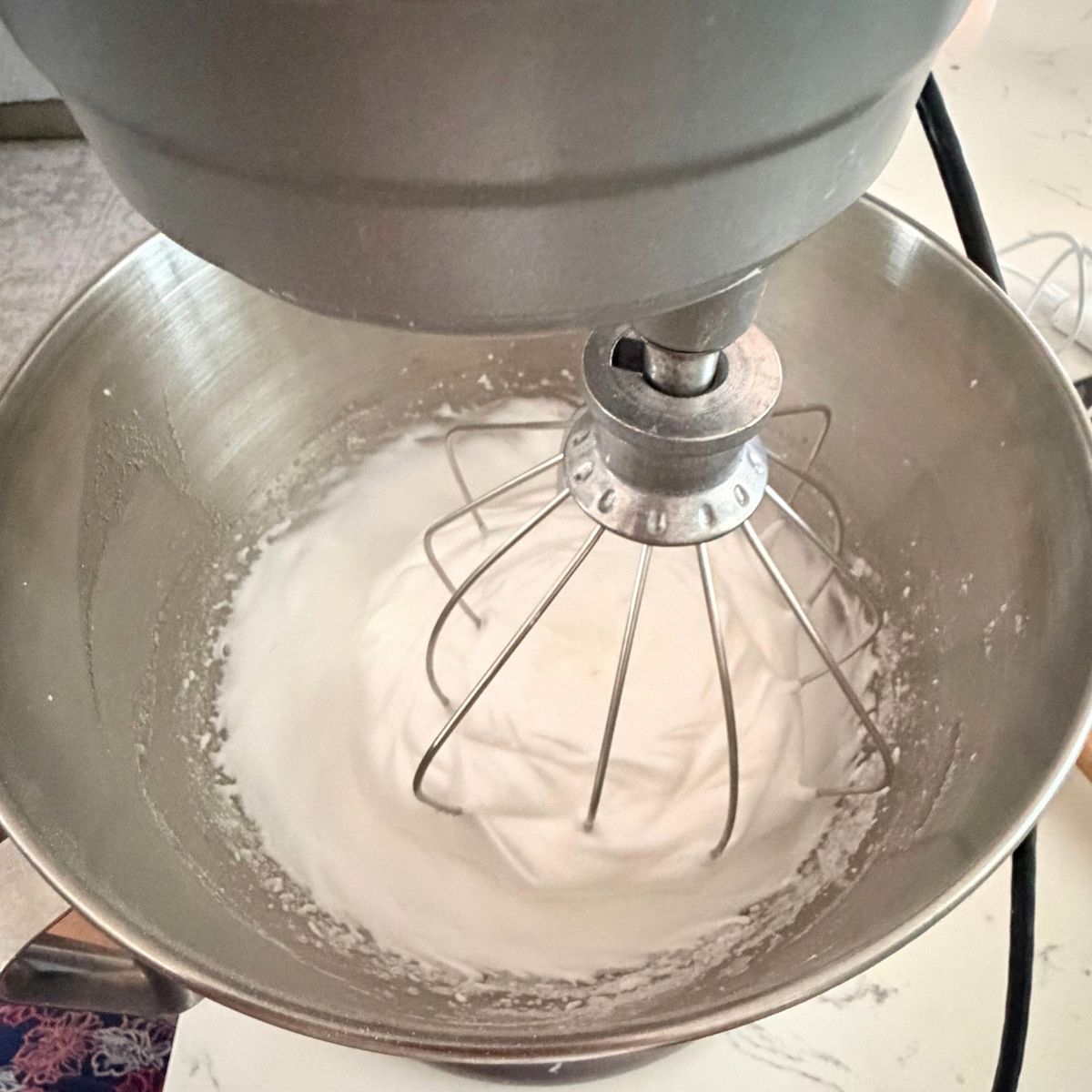
- Whip the meringue.
Beat the egg whites with the cream of tartar until foamy, then add the sugar gradually and beat to soft, glossy peaks. This is the only lift the cake gets, so stop while the peaks still curl rather than standing stiff.
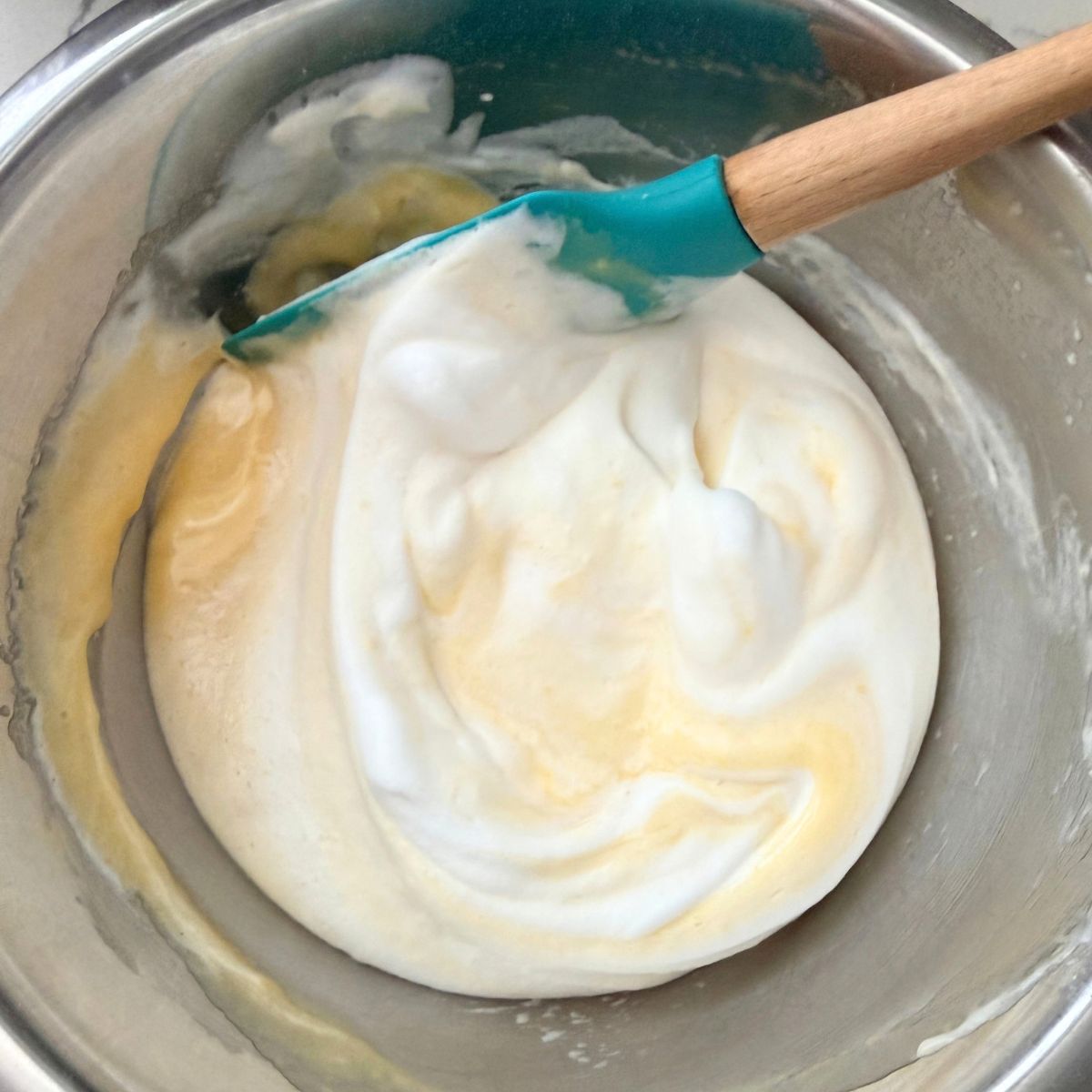
- Fold and divide.
Fold the meringue into the yolk batter in additions, cutting through the middle and lifting rather than stirring. Divide between the pans, about 300 grams each, and weigh them so the layers bake evenly.
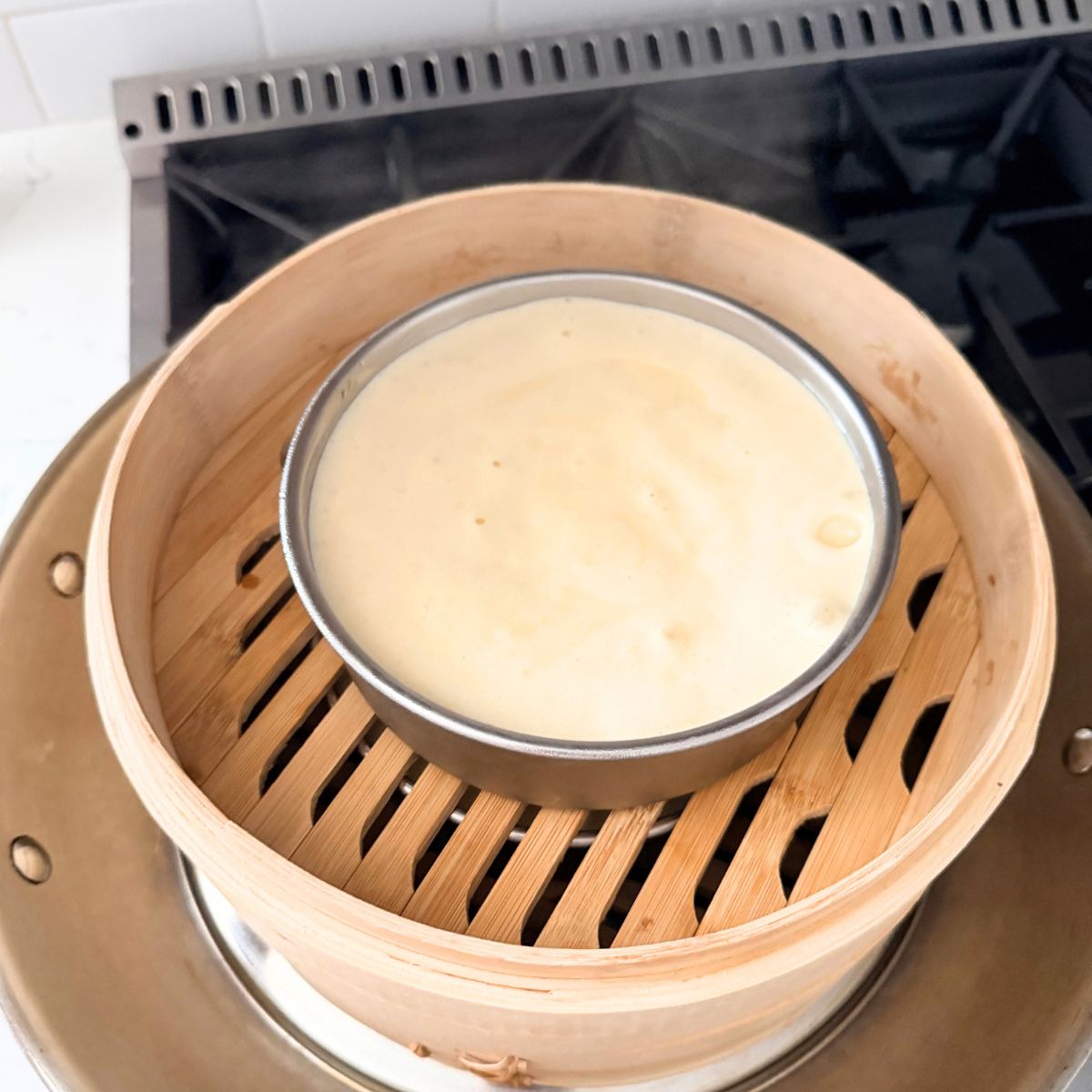
- Steam for 30 minutes.
Set the pans in a bamboo steamer over a wok or pot of simmering water and steam over medium heat for 30 minutes. Start with enough water that you won't need to top it up, since lifting the lid lets the heat out. Bamboo absorbs condensation instead of dripping it back onto the cake, so the tops stay dry without foil.
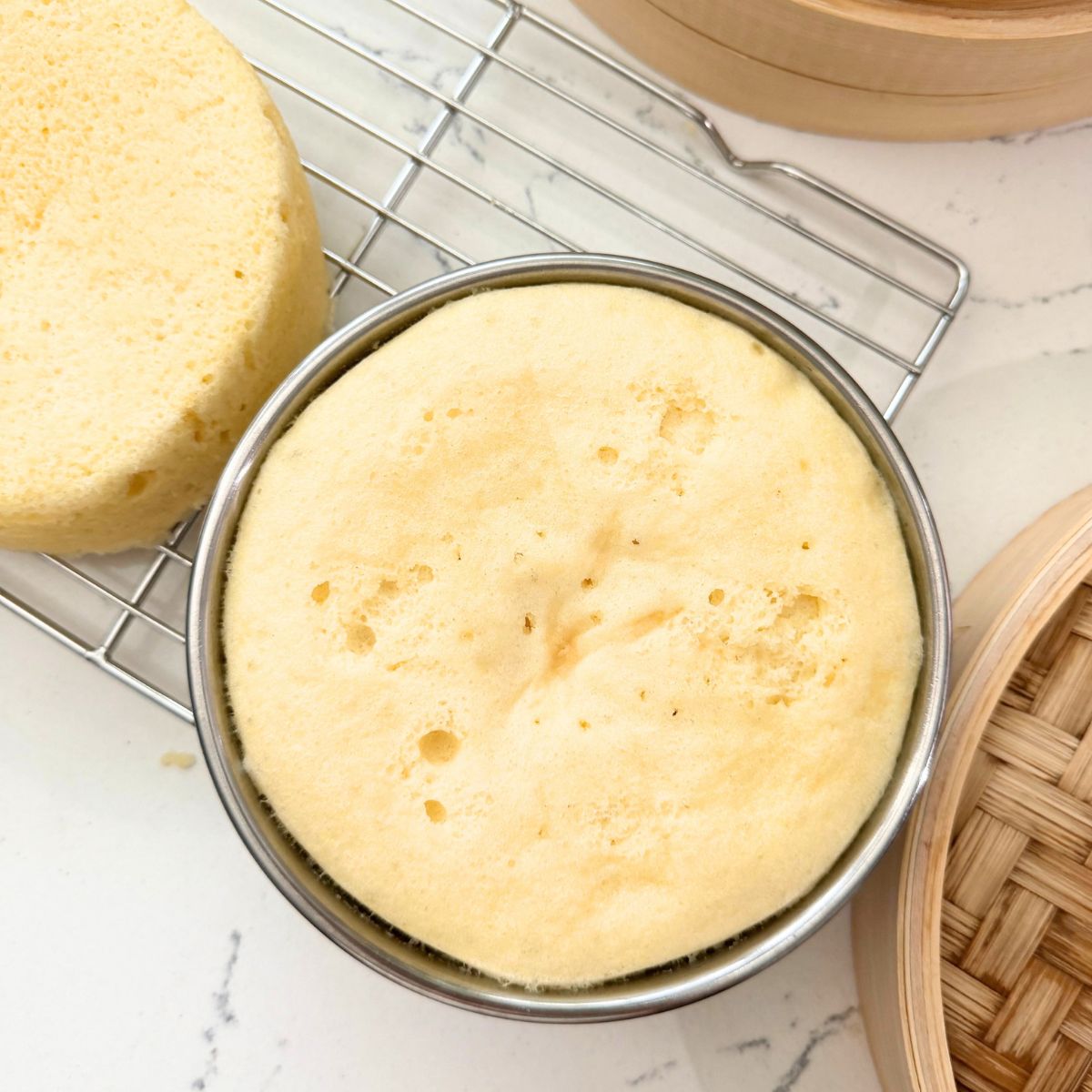
- Test and cool.
A toothpick should come out clean. A steamed cake won't brown or spring back like a baked one, so the toothpick is the cue. Cool completely before removing from the pans. No inverting needed.
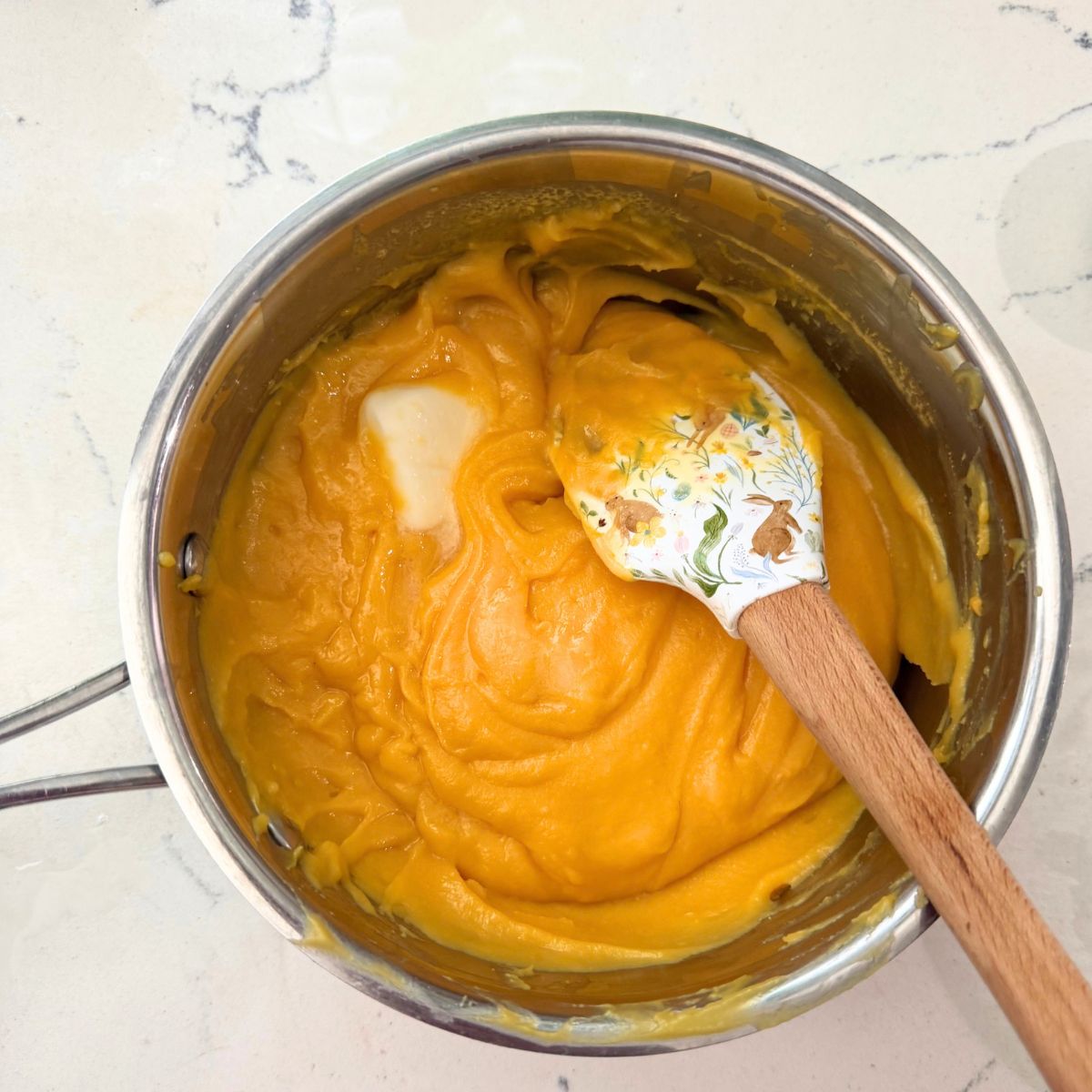
- Cook the yema frosting. Dissolve the cornstarch in the water, then whisk it with the egg yolks, milk, condensed milk, and vanilla in a saucepan until smooth. Cook over low heat, stirring constantly, for 8 to 12 minutes, until it's thick, glossy, and spreadable. Stir in the butter off the heat.
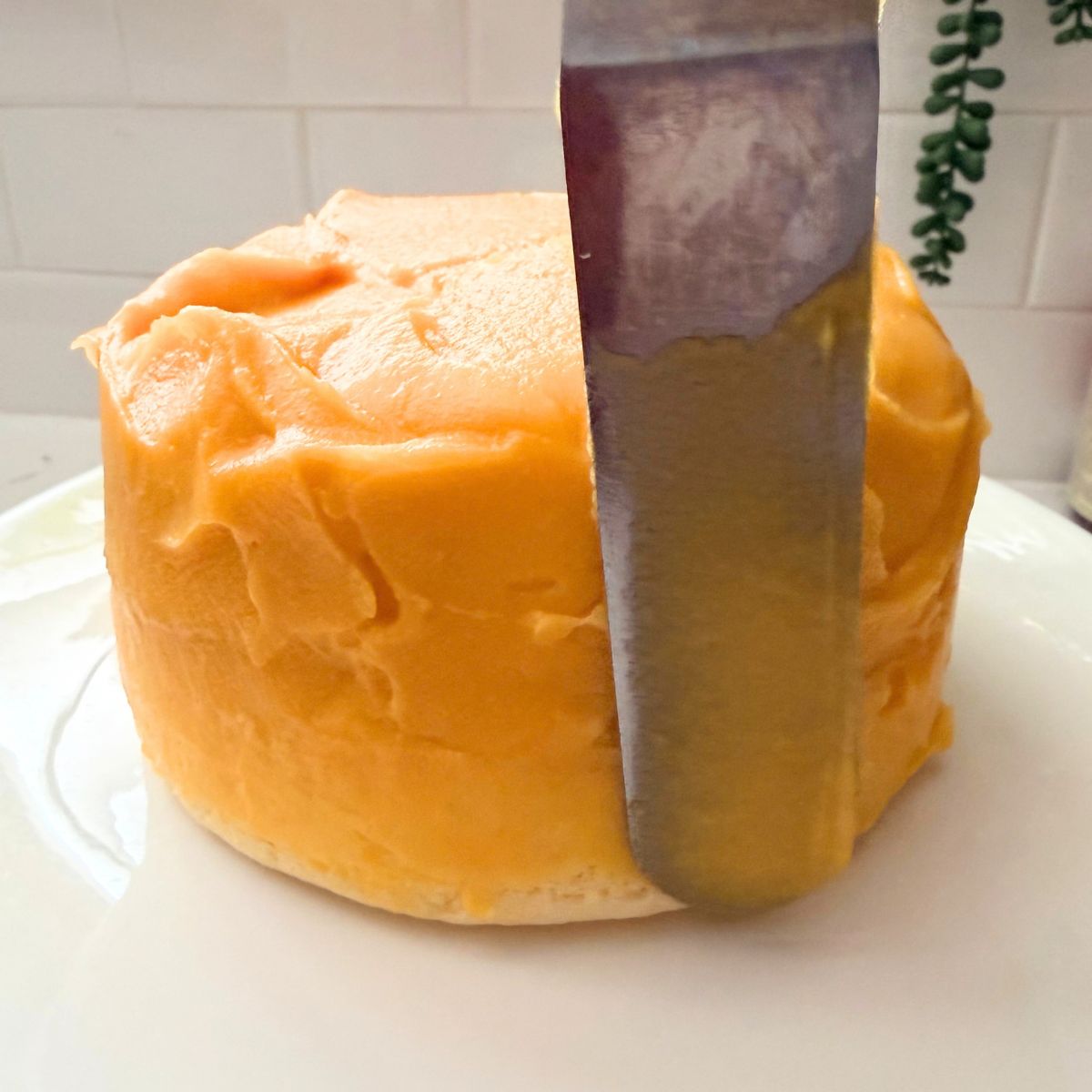
- Assemble.
Spread yema between the layers, then over the top and sides. Finish with grated cheese.
Yema Frosting That Holds Its Shape
The frosting is where most yema cakes go wrong, and it comes down to how far you cook it.
Yema thickens twice: once in the pan, again as it cools. Cook it stiff in the saucepan and it will be too firm to spread by the time it reaches the cake. Stop when it looks like a thick custard or condensed milk caramel, thick enough to coat the spoon, loose enough to move.
That's 8 to 12 minutes over low heat, stirring constantly. Low heat keeps the yolks from scrambling, and constant stirring keeps the bottom from setting while the top is still thin.
The cornstarch is what makes this reliable. It thickens alongside the yolks, so the frosting sets without being cooked hard.
Butter goes in at the end, off the heat. On the burner it just melts in. Off the heat it emulsifies and leaves the frosting glossy.
If you do overcook it, a splash of warm milk whisked in can loosen it. I haven't needed that with this recipe, so treat it as worth trying rather than tested.
Can You Bake It Instead?
Yes. I tested it both ways and the cake comes out differently each time.
Baked at 325°F for 25 to 35 minutes, the cake is lighter and airier, with a little browning and a slightly drier outside. It has more structure. Invert the pans to cool so the crumb doesn't compress under its own weight. It's done when the top springs back lightly and a skewer comes out clean or with a few dry crumbs.
Steamed for 30 minutes, it's very moist and very soft, pale all the way through with no browned crust. No inverting needed.
I steam it when I want that soft, moist, pale cake. If you want firmer layers that hold up better under the weight of the frosting, bake it.
Everything else stays the same: same batter, same 300 grams per pan, same frosting, same assembly.
Rose's Top Tips
- Leave the pan sides bare. Line the bottom with parchment and nothing else. Chiffon needs to grip the sides to climb, and a greased pan gives it nothing to hold.
- Weigh the batter. About 300 grams per pan. Even layers cook at the same rate and stack straight, which matters when the frosting has to hold them together.
- Fold, don't stir. The meringue is the only real lift this cake has. Cut down through the middle and lift over, and stop as soon as the streaks disappear.
- Use a bamboo steamer. Bamboo absorbs the condensation instead of dripping it back onto the cake. A metal steamer needs the lid wrapped in a cloth or the pans covered, or you'll get a wet, pocked surface.
- Don't lift the lid. Start with enough water for the full 30 minutes. Every peek lets the heat out and the cake loses rise.
- Stop the frosting early. Thick custard, not stiff. It firms up more as it cools, and frosting cooked hard in the pan won't spread.
- Cool the cake completely before frosting. Warm cake melts yema and you'll end up chasing it down the sides.
Substitutions
- Milk. Evaporated, whole, or 2% all work in the chiffon. Evaporated gives a slightly richer crumb, the others are a touch lighter. Use whichever you have.
- Cheese. Any Filipino processed cheddar like Eden works in place of Ques-O. A mild block cheddar is the closest supermarket substitute. Sharp cheddar overpowers the yema and aged cheddar crumbles instead of shredding.
- Unsalted butter for salted. Add a pinch of salt to the frosting with it. The salt is there to cut the sweetness, so leaving it out entirely makes the frosting flatter.
- Lemon juice or white vinegar for cream of tartar. About half a teaspoon of either stabilizes the meringue the same way. Untested in this recipe, but it's standard for meringues.
- An 8-inch pan instead of two 6-inch. The batter fits one 8-inch round, but it bakes as a single taller layer rather than two, so you'd need to split it to fill with yema. I haven't tested the timing at that size.
- Metal steamer instead of bamboo. Wrap the lid in a clean cloth or cover the pans, since metal drips condensation straight back onto the cake. Bamboo is what I use and what the timing is based on.
Variations
- Ube yema cake. Ube extract in the chiffon batter turns it purple and pairs well with the yema. It's a different enough cake that it deserves its own post, so this is a mention rather than a method.
- More cheese. Some bakeries pack the top edge to edge rather than scattering it. If the salty side is what you like about yema cake, go heavier.
- Single layer. Steam one pan instead of two and frost just the top for a smaller cake with less frosting to cook.
- Cupcakes. The same batter portioned into lined cups, steamed, and topped with yema. Timing would be much shorter, and I haven't tested it.
- Extra yema on the side. The frosting recipe makes enough to fill and cover. A half batch on its own keeps in the fridge and is good on pandesal or toast.
How to Store and Serve
In the fridge. A frosted yema cake belongs in the refrigerator. The frosting is a custard made with egg yolks and dairy, so it isn't a cake to leave sitting out.
Before serving. Take it out 20 to 30 minutes ahead. The cake softens and the frosting tastes creamier at that temperature than straight from the cold.
On the counter. If the room is very warm, around 90°F or hotter, keep it out no longer than an hour.
What to Do With the Leftover Egg Whites
This recipe uses 8 eggs but only 4 whites. The chiffon takes 4 yolks and 4 whites, and the yema frosting takes 4 more yolks, which leaves you with 4 whites and nowhere obvious to put them.
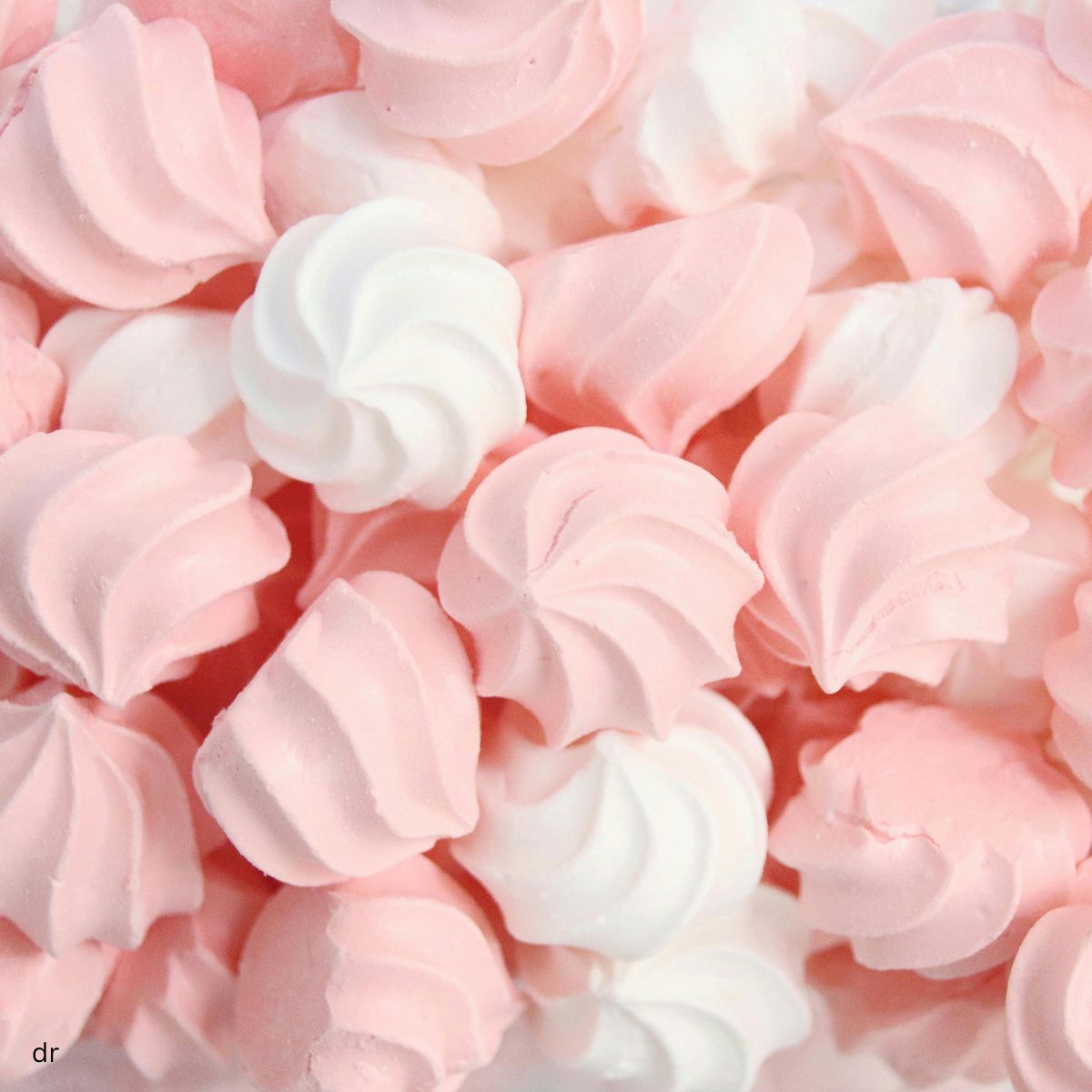
Sometimes they go into an omelet. Mostly they become meringue, because my daughter loves it.
They keep either way. Egg whites hold several days covered in the fridge and they freeze well, so you don't have to decide the same day.
Recipe FAQs
No. Custard cake is a chiffon baked over leche flan, so the custard sits under the cake as a layer. Yema cake is a chiffon frosted with cooked yema on the outside. Different texture, different assembly, both Filipino.
No, but it's what makes it taste like yema cake. The salty shreds cut the sweetness of the frosting, and without them you have a caramel-frosted chiffon.
Usually the meringue. Under-whipped whites don't hold enough air, and over-folding knocks out what you whipped in. Fold just until the streaks disappear and stop there.
Yes. Assemble it and keep it in the fridge, then take it out 20 to 30 minutes before serving. The frosting can also be cooked ahead and warmed gently to loosen it before spreading.
People do steam chiffon cakes that way, but I haven't tested this batter in one, so I can't give you a timing.
More Filipino Desserts
Looking for other recipes like this? Try these:
- Filipino Ensaymada: Soft buttery rolls finished with sugar and grated cheese, the same sweet and salty idea as yema cake.
- Ube Leche Flan: Another egg yolk custard, set rather than spread, and just as make ahead friendly.
- Cassava Cake with Ube: Dense, chewy, and topped with a condensed milk custard that browns in the oven.
- Royal Bibingka: A softer Filipino cake with the same cheese on top finish.
- Polvoron: No baking at all, just toasted flour, butter, and powdered milk pressed into shape.
- Ube Halaya (Purple Yam Jam): Four ingredients, and another cooked-down spread worth keeping in the fridge.

Did you try this recipe?
Share how it turned out in the comment box below, and if you loved it, share it on Facebook, Pinterest & Instagram.
Thank you!

Yema Cake
Equipment
- 2 6x3 inch round cake pans
- parchment paper
- Bamboo steamer and a wok or large pot
- Stand mixer or hand mixer
- Kitchen scale
- Saucepan
Ingredients
For the Chiffon
- 4 large egg yolks
- ¼ cup cooking oil
- ½ cup sugar
- ½ cup 2% milk whole milk, or evaporated milk
- ½ teaspoon salt
- 150 grams all-purpose flour
- 2 teaspoons baking powder
For the Meringue
- 4 large egg whites
- ¼ cup sugar
- ½ teaspoon cream of tartar
For the Yema Frosting
- 4 large egg yolks
- 1 can 396 grams sweetened condensed milk
- 1 cup milk
- 1 teaspoon vanilla
- 1 tablespoon cornstarch dissolved in 2 tablespoons water
- 1 tablespoon salted butter
For Topping
- 1 cup grated Ques-O or other processed cheddar
Instructions
- Line the bottoms of two 6x3 inch round pans with parchment. Leave the sides ungreased.
- Whisk the egg yolks, oil, sugar, milk, and salt until smooth. Sift in the flour and baking powder, then whisk just until no streaks remain.4 large egg yolks, ¼ cup cooking oil, ½ cup sugar, ½ cup 2% milk, ½ teaspoon salt, 150 grams all-purpose flour, 2 teaspoons baking powder
- Beat the egg whites and cream of tartar until foamy. Gradually add the sugar and beat to soft, glossy peaks that still curl at the tip.4 large egg whites, ½ teaspoon cream of tartar, ¼ cup sugar
- Fold the meringue into the yolk batter in additions, cutting through the middle and lifting instead of stirring. Divide between the pans, about 300 grams each.
- Set the pans in a bamboo steamer over simmering water and steam over medium heat for 30 minutes without lifting the lid. Start with enough water to last the full time.
- Check with a toothpick, which should come out clean. Cool completely in the pans before removing.
- For the frosting, dissolve the cornstarch in the water. Whisk it with the egg yolks, milk, condensed milk, and vanilla in a saucepan until smooth before turning on the heat. Cook over low heat, stirring constantly, for 8 to 12 minutes, until thick, glossy, and spreadable. Remove from the heat and stir in the butter.4 large egg yolks, 1 can, 1 teaspoon vanilla, 1 tablespoon cornstarch, 1 tablespoon salted butter, 1 cup milk
- Spread yema between the layers, then over the top and sides. Finish with grated cheese.1 cup grated Ques-O or other processed cheddar
Save This Recipe 💌
Notes
- To bake instead of steam: Bake at 325°F for 25 to 35 minutes, until the top springs back lightly and a skewer comes out clean or with a few dry crumbs. Invert the pans to cool so the crumb doesn't compress. Baked layers come out lighter and firmer, and steamed layers are softer and more moist.
- Metal steamer: Wrap the lid in a clean cloth or cover the pans. Metal drips condensation back onto the cake, and bamboo absorbs it. The 30-minute timing is based on bamboo.
- Don't grease the pans: Chiffon needs to grip the bare sides to rise.
- Weigh the batter: About 300 grams per pan keeps the layers even so they cook at the same rate and stack straight.
- Frosting consistency: Stop cooking while it's still a thick custard. It firms up more as it cools, and frosting cooked stiff in the pan won't spread.
- Cool before frosting: Warm cake melts the yema, and it slides down the sides.
- Cheese: Ques-O or Eden works best. A mild block cheddar is the closest supermarket swap. Sharp cheddar overpowers the frosting.
- Storage: Keep the frosted cake in the refrigerator, since the frosting is an egg and dairy custard. Take it out 20 to 30 minutes before serving so the cake softens and the frosting tastes creamier. In a very warm room, around 90°F or hotter, don't leave it out longer than an hour.
- Make ahead: Assemble the cake the day before and keep it chilled until serving.
- Leftover egg whites: This recipe uses 8 eggs but only 4 whites. The extra whites keep for several days covered in the fridge, and they freeze well.