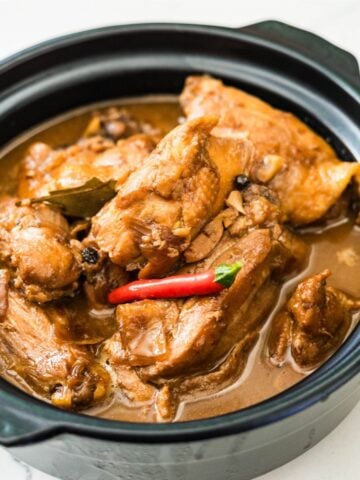
A rotisserie chicken never lasts one meal in my house. The thighs, wings, and legs go first, and whatever is left on the frame is already spoken for. Sometimes it turns into arroz caldo, where even the bones get used. Sometimes it goes into macaroni salad. It's the same chicken I start with when I make chicken pastil.
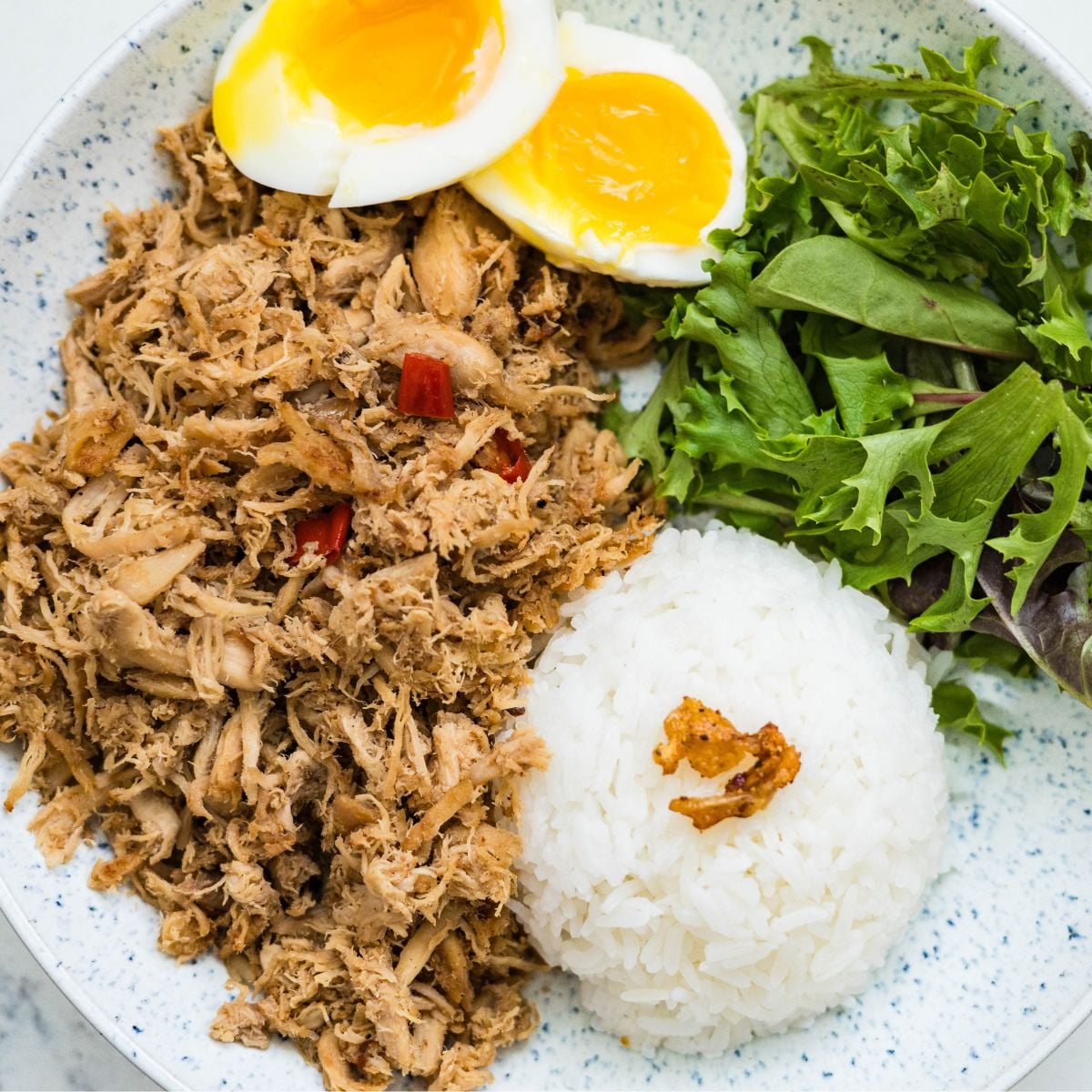
This time it became chicken adobo flakes. What was left of the breast meat, tossed with adobo sauce and fried until the edges went brown and crisp.
Jump to:
- Why You'll Love These Chicken Adobo Flakes
- What Are Adobo Flakes
- Ingredients You'll Need
- Why Rotisserie Chicken Works Here
- How to Make Chicken Adobo Flakes
- How to Get Them Crispy
- Using Leftover Adobo Instead
- How to Serve Adobo Flakes
- Storage and Reheating
- Recipe FAQs
- More Rotisserie Chicken Recipes
- Did you try this recipe?
- Chicken Adobo Flakes
Why You'll Love These Chicken Adobo Flakes
- No leftover adobo required. Almost every version of this dish starts with adobo you cooked yesterday. This one starts with a rotisserie chicken, so you can decide to make it tonight and actually make it tonight.
- No simmering step. Other rotisserie shortcuts still braise the chicken in adobo sauce before frying. Tossing the shredded meat with sauce instead gets you the same flavor and saves you a pot.
- It uses the part nobody wanted. The thighs, legs, and wings disappear first. This is what to do with what's left on the frame, which is usually breast meat that would otherwise dry out in the fridge.
- Breakfast, or dinner, or a topping. Over garlic rice with a fried egg is the classic, but the flakes work stuffed into pandesal, spooned over arroz caldo, or scattered on a salad.
- The texture holds up. Fried until dry rather than just browned, the flakes stay crisp on the plate instead of going soft the moment they hit rice.
What Are Adobo Flakes
Adobo flakes are shredded chicken or pork adobo fried until the meat dries out and turns crisp. That texture is the point: dry, browned strands with crunchy edges instead of soft braised meat in sauce. In Mindanao the dish is called kagikit.
It's usually credited to Glenda Barretto of Via Mare, who came up with it in the 1970s by shredding leftover adobo and frying it dry for her father, who liked his food crunchy. It's now a Filipino breakfast standard, served silog style with garlic rice and a fried egg.
Crispy adobo flakes and chicken adobo flakes are the same dish. Pork works just as well, and plenty of cooks make adobo specifically to turn it into flakes rather than waiting for leftovers.
Ingredients You'll Need
Here's what you'll need:
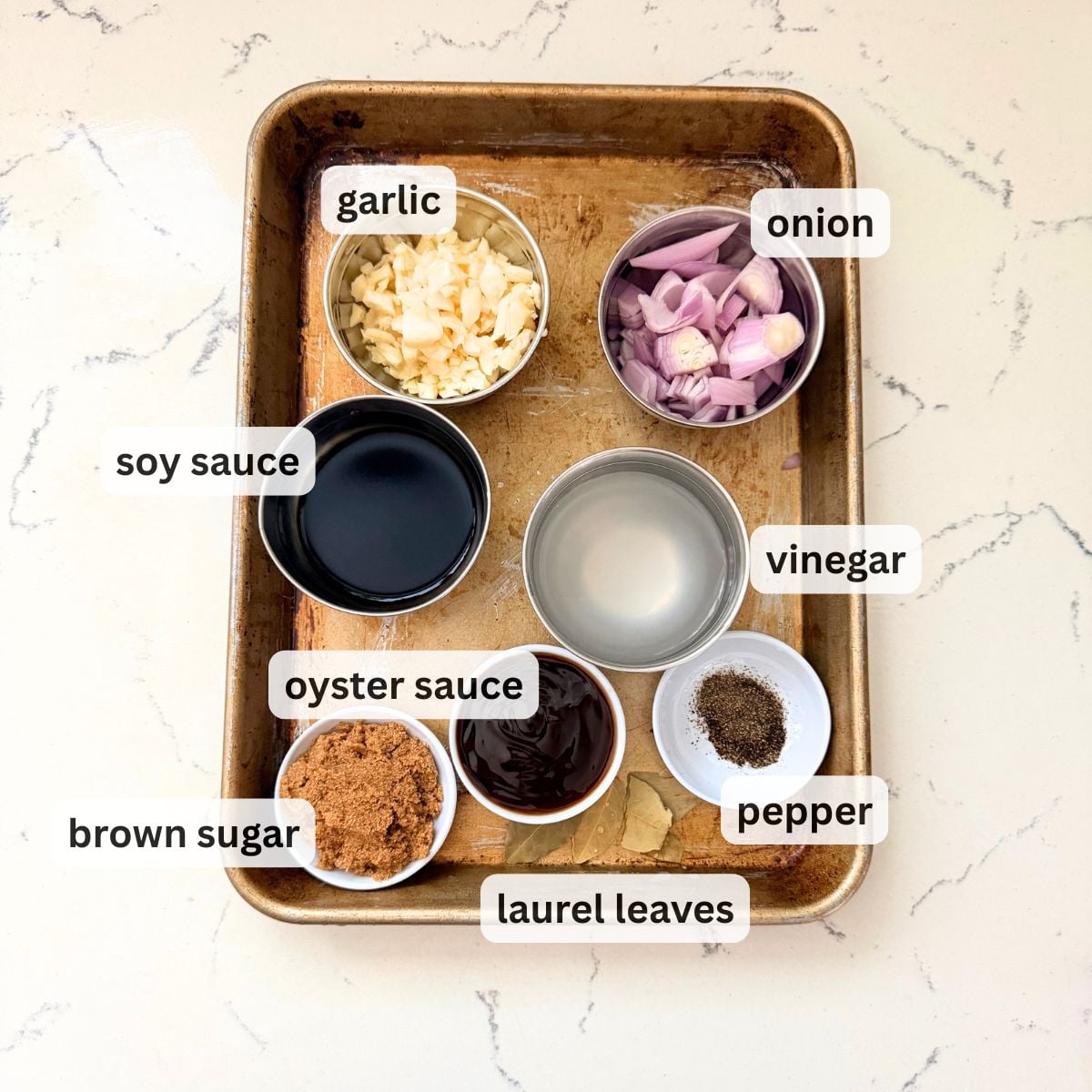
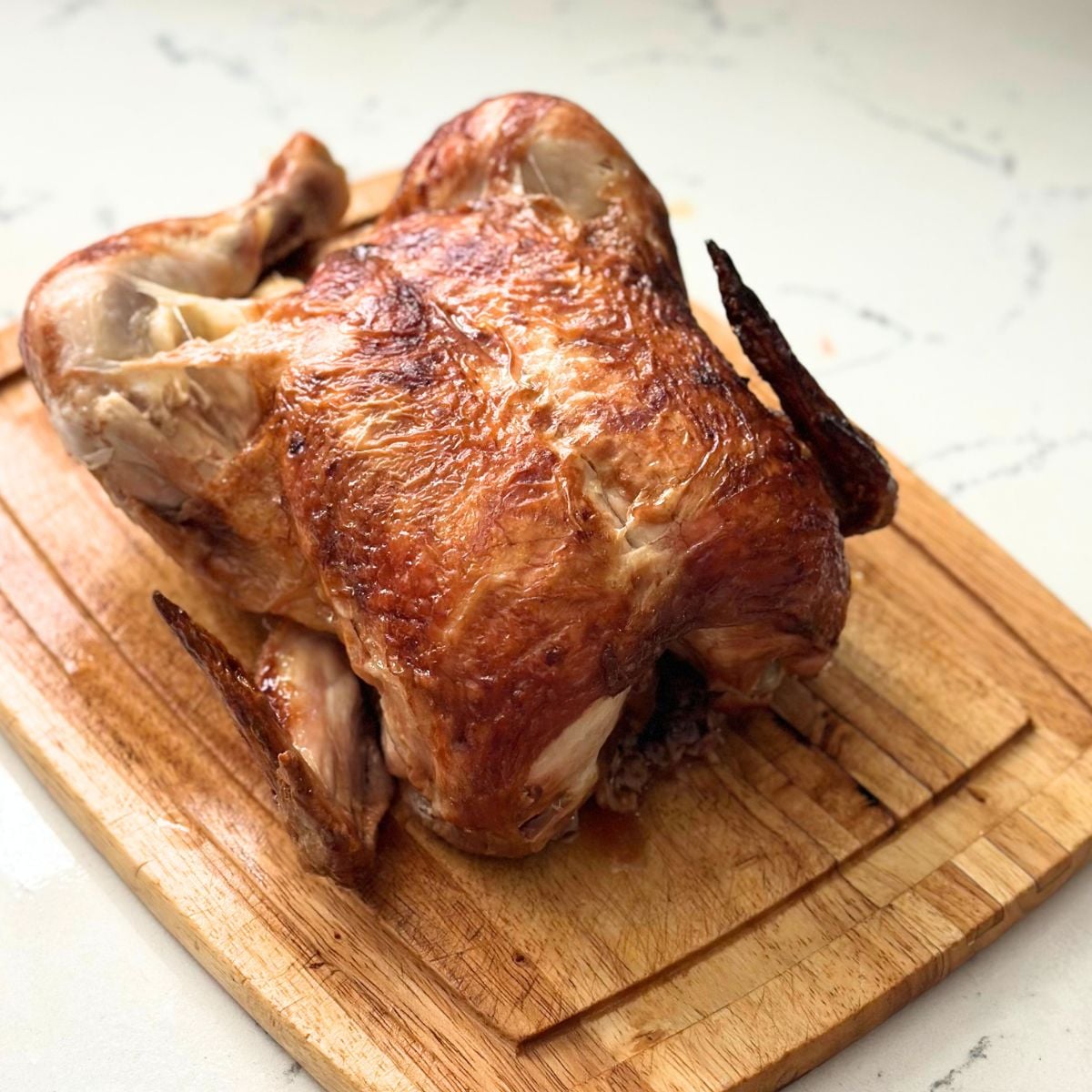
- Rotisserie chicken: already cooked and already seasoned, which is what lets you skip the simmering step other recipes need. It's also dry compared to freshly braised adobo, and dry meat is what crisps. Dark meat gives you more flavor, white meat crisps faster, and if the thighs and legs are gone the breast works well here since it isn't being asked to stay juicy.
- Soy sauce: the salt and the color. Regular or low sodium both work, but taste before you add anything else, since the rotisserie chicken is already salted and the oyster sauce is coming.
- Vinegar: the tang that makes adobo taste like adobo. Cane or white vinegar is what you want. Skip balsamic and flavored vinegars, which throw the whole thing off.
- Garlic: goes in generously. Some of it browns in the pan and ends up crisp alongside the chicken, which is part of the appeal.
- Brown sugar: balances the vinegar and soy sauce, and it's also what helps the edges caramelize as the flakes fry. Without it the flakes brown but taste flat and sharp.
- Oyster sauce: not traditional in adobo, but it adds body and a savory depth that plain soy sauce doesn't have. It also thickens the sauce slightly so it clings to the shredded meat instead of pooling in the bowl.
- Black pepper: cracked, not fine, so you get the occasional bite of it. Adobo is a peppery dish and it's easy to underdo.
- Bay leaves: they carry a background note you'd miss if it were gone. Toss them with the sauce and pull them before frying, since they'll burn in hot oil.
- Oil: enough to come partway up the flakes, not a light coating. The oil has to surround the shredded meat or it steams instead of crisping. Expect the chicken to absorb nearly all of it, so don't plan on straining and saving it the way recipes starting from wetter leftover adobo suggest.
See recipe card for quantities.
Why Rotisserie Chicken Works Here
Most adobo flakes recipes start with adobo you already cooked, so the meat comes out of the pot wet. That's why they fry so long: you're driving off moisture before you get anywhere near crisp.
Rotisserie chicken is already cooked, already seasoned, and already dry, which is the state you're trying to reach anyway. Shredded straight off the frame, it starts crisping almost as soon as it hits the oil. Tossing the shredded meat with sauce coats every strand, and the frying does the rest.
The other reason is practical. A rotisserie chicken rarely survives one meal in our house, and the breast is what's left after everyone takes the parts they wanted. This is one of the better things to do with it, alongside arroz caldo and chicken pastil.
How to Make Chicken Adobo Flakes
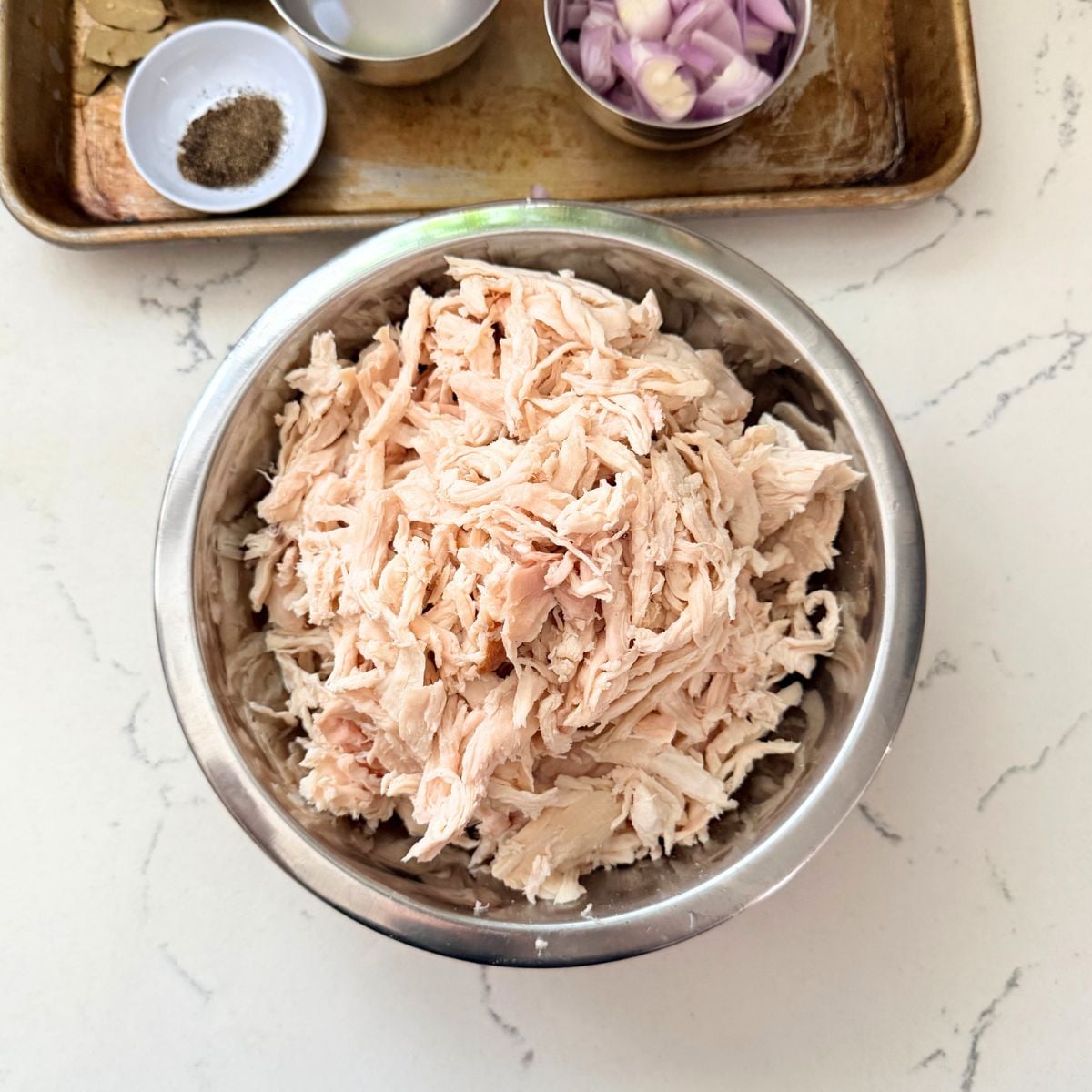
- Shred the chicken. Pull the meat off the rotisserie chicken and shred it along the grain with two forks or your hands. Thinner strands crisp better, so it's worth a few extra minutes here.
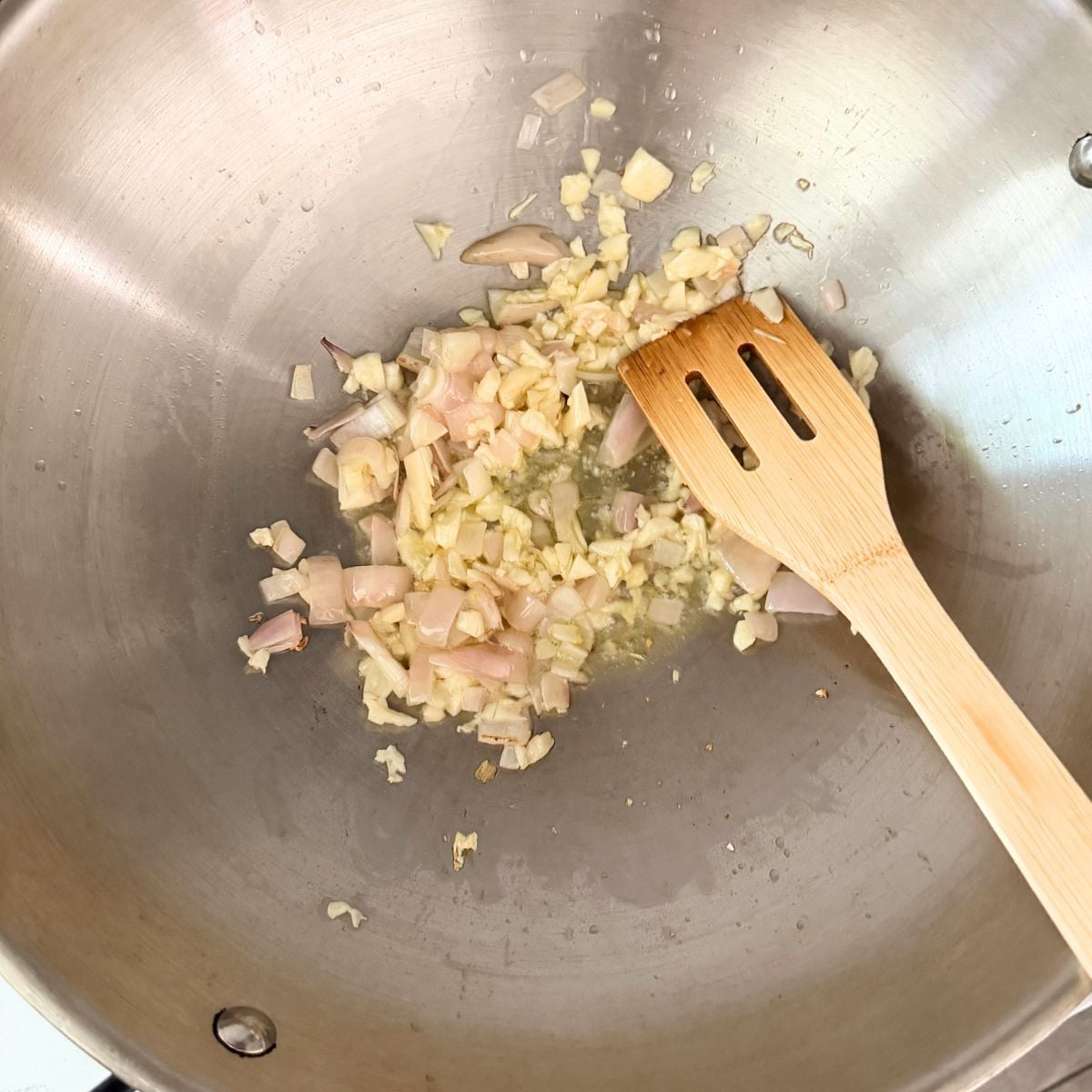
- Sauté the garlic. Heat the oil over medium and cook the garlic until fragrant and just starting to color. Don't let it go dark, since it keeps cooking through the rest of the recipe.
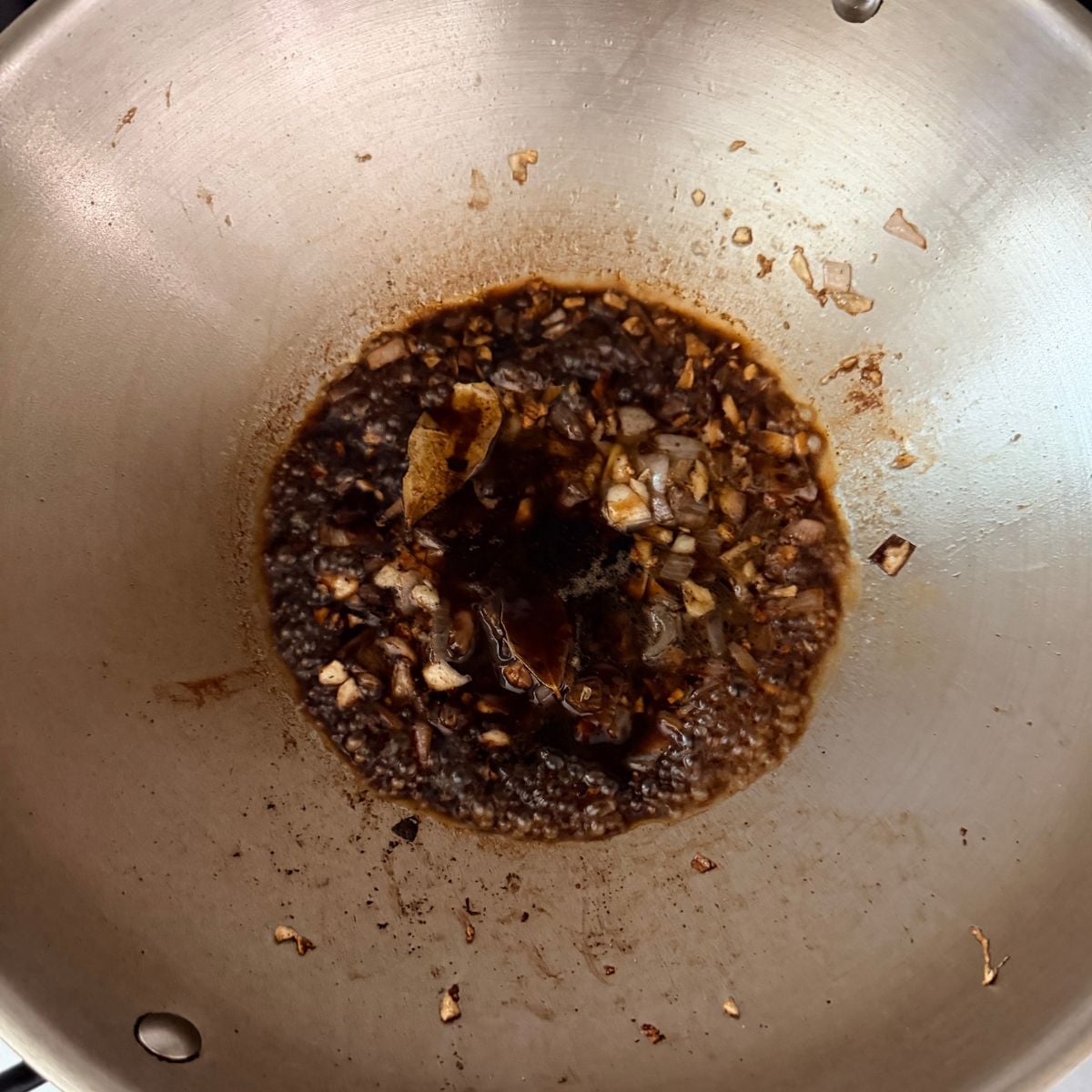
- Build the sauce. Add the bay leaves, soy sauce, vinegar, oyster sauce, brown sugar, and pepper. Let it come together in the pan before the chicken goes in, so the seasoning is even rather than concentrated wherever the sauce landed.
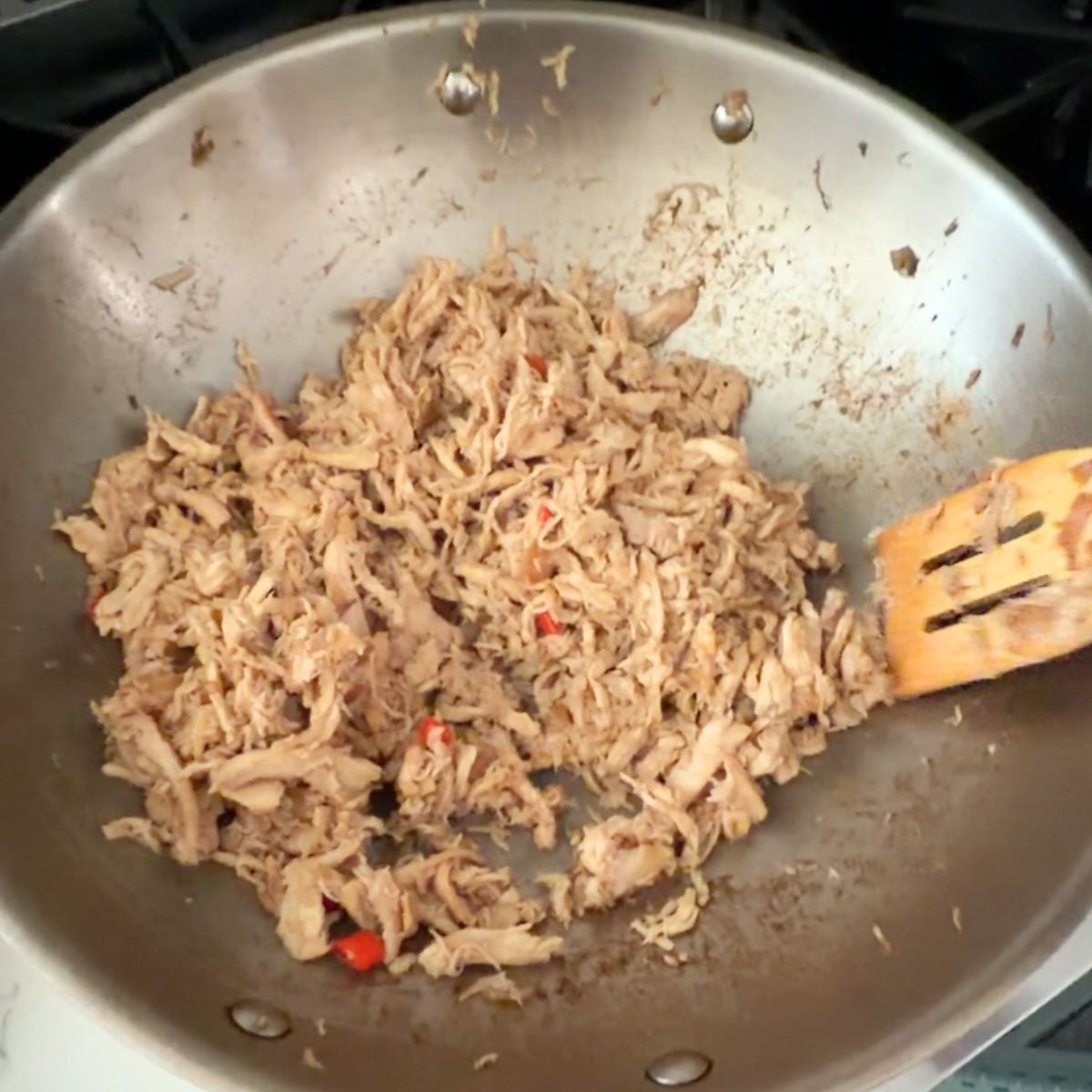
- Add the chicken and cook until dry. Stir to coat every strand. The pan will look wet at first, which is fine. Keep cooking until the liquid is gone and the flakes are browned and crisp at the edges. Don't stop when it looks done, stop when the pan is dry. Pull the bay leaves before serving.
How to Get Them Crispy
Crisp comes from getting the moisture out, not from browning. The flakes will look ready well before they actually are.
- Shred thin. Thick chunks hold water in the middle and turn chewy no matter how long you cook them. Thin strands dry all the way through.
- Use enough oil. A light coating isn't enough. The oil has to come partway up the flakes so it surrounds them, otherwise the meat steams in its own moisture instead of frying. Expect the chicken to absorb nearly all of it.
- Cook past the point where it looks done. The flakes brown before they're dry, so the browning isn't your signal. Keep going until there's no liquid moving in the pan.
- Don't crowd the pan. Piled-up chicken traps steam. Use a wide pan, or work in batches if you're doubling the recipe.
- Listen to it. The sizzle changes near the end. It goes from the wet, spitting sound of liquid cooking off to a dry, lighter crackle. That's the cue.
Using Leftover Adobo Instead
If you already have chicken adobo in the fridge, this is the original way to make flakes. Shred the meat along the grain and fry it with a little of its sauce. Skip the sauce-building step, since the flavor is already in the meat.
Expect it to take longer. Braised meat holds more moisture than rotisserie chicken, so you'll spend real time cooking that off before anything crisps.
Pork adobo works the same way.
How to Serve Adobo Flakes
The standard is silog: over garlic fried rice with a fried egg, runny yolk. That's how it shows up on Filipino breakfast menus and it's still the best version.
A 7-minute egg is the other way to go, with a jammy center you can spoon over instead of cut into. It's also easier to make several at once if you're feeding more than two people. Soy sauce mayak eggs work too, though they bring their own seasoning, so go lighter on the sauce elsewhere on the plate.
A few others worth trying:
- Stuffed into pandesal. The flakes stay crisp inside soft bread, which is the whole appeal.
- Over arroz caldo. Crunch on top of soft rice porridge, and it works on lugaw and congee the same way.
- Tossed into fried rice. Stir them in at the end so they don't soften.
- On a salad. Cucumber, tomato, and onion, with the flakes standing in for croutons.
The one rule: add them last. Anything wet will soften them within a minute or two, so the flakes go on top of the plate, not into it.
Storage and Reheating
Keep them in an airtight container in the refrigerator for up to 5 days. They lose their crispness as they sit, which is normal and fixable.
To bring them back, spread them in a dry pan over medium heat for a few minutes, no oil needed since there's plenty already in the flakes. An air fryer works too.
Don't microwave them. It heats them through but leaves them soft, which defeats the point.
Recipe FAQs
Yes, and it's the original way to make this dish. Shred the meat, fry it with a little of its sauce, and skip the sauce-building step. It takes longer, since braised meat holds more moisture that has to cook off first.
Yes. Breast crisps faster than dark meat and works well here, since it isn't being asked to stay juicy. Dark meat has more flavor if you have it.
Yes. Pork adobo flakes are just as common in the Philippines, and the method is the same.
No. There's enough oil in this recipe to surround the flakes, which is what matters. A light coating of oil is what leaves them chewy in the middle.
The air fryer is best for re-crisping flakes you've already cooked. Cooking them from raw shredded chicken that way doesn't give you the same result, since the sauce needs a pan to reduce in.
Up to 5 days in an airtight container in the refrigerator. They soften as they sit, so re-crisp them in a dry pan or air fryer before serving.
More Rotisserie Chicken Recipes
Looking for other recipes like this? Try these:
- 10 Easy Meals Using Costco Rotisserie Chicken: the full list of what I do with one, if you buy them as often as I do.
- Rotisserie Chicken Arroz Caldo: where the frame and bones go after the meat is picked off, so nothing is wasted.
- Chicken Sisig: chopped, sizzling, and another good use for meat that's already cooked.
- Easy Pancit with Chicken: shredded chicken tossed through noodles, and a natural partner to a rice dish at the same table.
- Cheesy Garlic Chicken Wrap: the fastest way to turn leftover cooked chicken into lunch.

Did you try this recipe?
Share how it turned out in the comment box below, and if you loved it, share it on Facebook, Pinterest & Instagram.
Thank you!

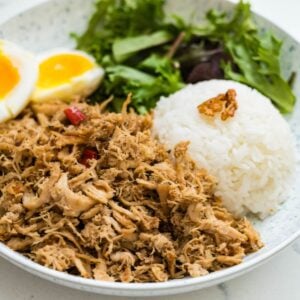
Chicken Adobo Flakes
Equipment
- Large skillet or wide frying pan
Ingredients
- 4 cups shredded rotisserie chicken
- ¾ cup olive oili for sautéing
- 6 cloves garlic minced
- ½ cup onion chopped
- 2 counts bay leaves
- ¼ cup soy sauce
- ¼ cup vinegar
- 2 tablespoons oyster sauce
- 1 ½ tablespoons brown sugar
- ½ teaspoon black pepper
Instructions
- Pull the meat off the rotisserie chicken and shred it along the grain with two forks or your hands. Thinner strands crisp better.4 cups shredded rotisserie chicken
- Heat the oil in a large skillet over medium heat. Add the garlic and onion and cook until fragrant and just starting to color. Don't let it go dark, since it keeps cooking through the rest of the recipe.¾ cup olive oili, ½ cup onion, 6 cloves garlic
- Add the bay leaves, soy sauce, vinegar, oyster sauce, brown sugar, and black pepper. Let the sauce come together in the pan before the chicken goes in, so the seasoning spreads evenly.2 counts bay leaves, ¼ cup soy sauce, ¼ cup vinegar, 2 tablespoons oyster sauce, 1 ½ tablespoons brown sugar, ½ teaspoon black pepper
- Add the shredded chicken and stir to coat every strand. The pan will look wet at first, which is fine.4 cups shredded rotisserie chicken
- Keep cooking, stirring often, until the liquid is gone and the flakes are browned and crisp at the edges. Don't stop when it looks done, stop when the pan is dry. Remove the bay leaves before serving.
Save This Recipe 💌
Notes
- Cook past the point where it looks done. The flakes brown before they're dry, so the color isn't your signal. A dry pan is.
- Shred thin. Thick pieces hold moisture in the middle and stay chewy no matter how long you cook them.
- Don't crowd the pan. Piled-up chicken traps steam instead of frying. Use a wide skillet, or work in batches if you're doubling the recipe.
- Expect the chicken to absorb nearly all the oil, so there's nothing to strain and save at the end. Plan for that when scaling up.
- Use cane or white vinegar. Balsamic and flavored vinegars throw off the balance.
- Sodium runs high between the soy sauce and the rotisserie chicken, which is already brined. Low sodium soy sauce cuts it noticeably without changing the flavor much.
- Using leftover adobo instead: shred the meat, fry it with a little of its sauce, and skip the sauce-building step. It takes longer, since braised meat holds more moisture that has to cook off first.