Pork and shrimp shumai is the one dish my kids order every time we go out for dim sum. They eat them plain, one after another, until the basket is empty.
That's why I started making them at home. The kids still eat theirs plain. Mine go on a plate of rice with plenty of calamansi soy sauce and chili oil, the way I grew up eating siomai.
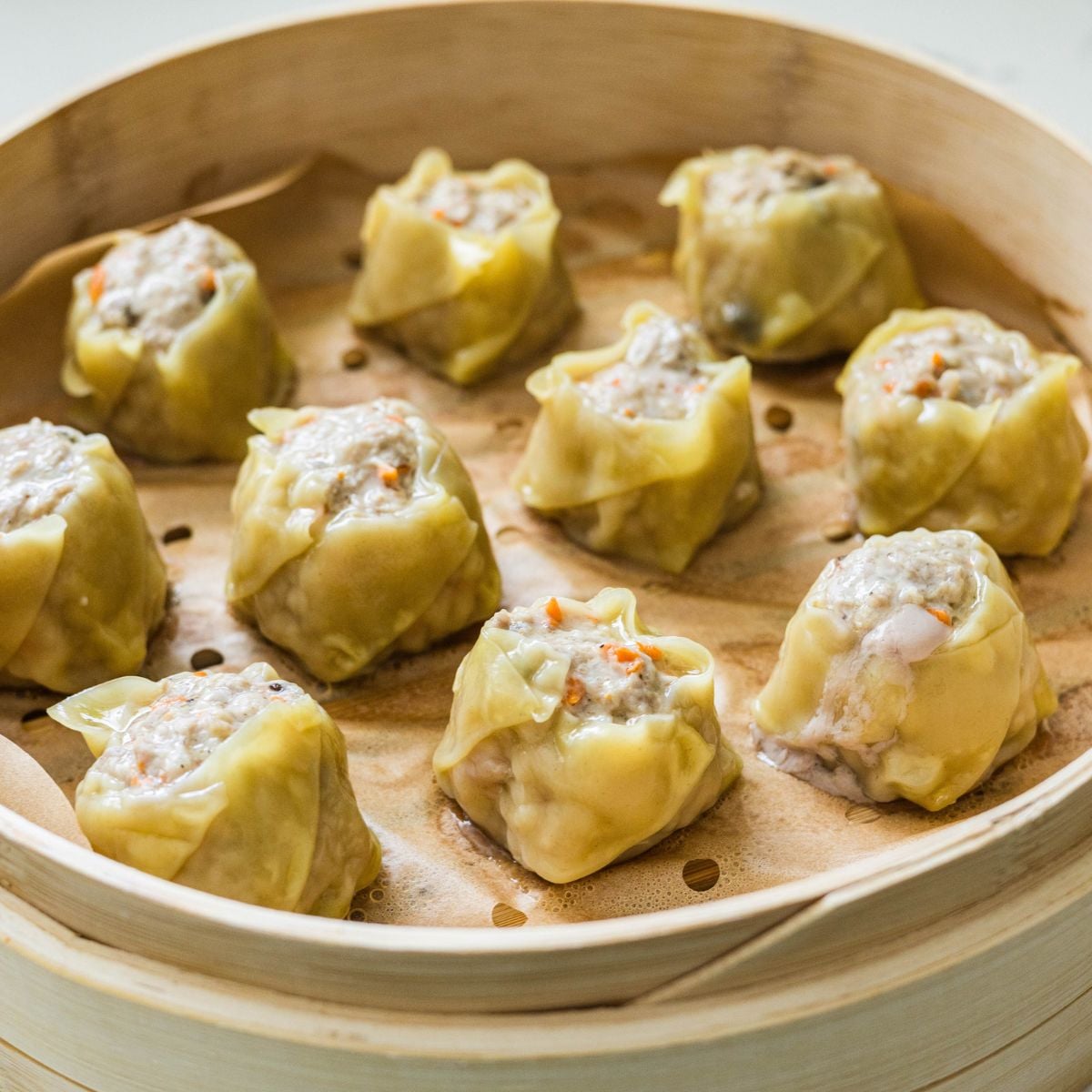
These open-top steamed dumplings are filled with pork, shrimp, shiitake, and ginger, then seasoned with oyster sauce and sesame oil. Each batch takes 15 minutes in the steamer.
The recipe makes 44, and I freeze half of them raw. On busy weeknights, they go straight from the freezer into the steamer, and dinner is done.
Want a smaller batch? Halve the recipe. If you have the freezer space, though, I'd double it instead.
Jump to:
- Why You'll Love This Pork and Shrimp Shumai
- What Is Shumai (Siomai)?
- Ingredients You'll Need
- Substitutions and Additions
- How to Fold Siomai
- How to Make Pork and Shrimp Shumai
- Rose's Top Tips
- Make Ahead and Freezing
- What to Serve With Siomai
- Storage
- Recipe FAQs
- More Filipino Recipes
- Did you try this recipe?
- Pork and Shrimp Shumai (Siomai)
Why You'll Love This Pork and Shrimp Shumai
- Kid-approved. This is the dim sum order my kids never passed up, and they eat these plain, straight from the steamer.
- One batch, two meals. The recipe makes 44 pieces. I freeze half raw, so dinner on a busy weeknight is just a matter of steaming them.
- Quick to cook. Each batch steams in 15 minutes. Most of the work is folding, and that goes faster once you find a rhythm.
- Snack or dinner. Serve them on their own as a snack or appetizer, or with rice and calamansi soy sauce for a full meal.
- Worth making in bulk. Folding 44 dumplings takes the same setup as folding 22. If your freezer has room, doubling the batch gives you twice the stash for the same cleanup.
What Is Shumai (Siomai)?
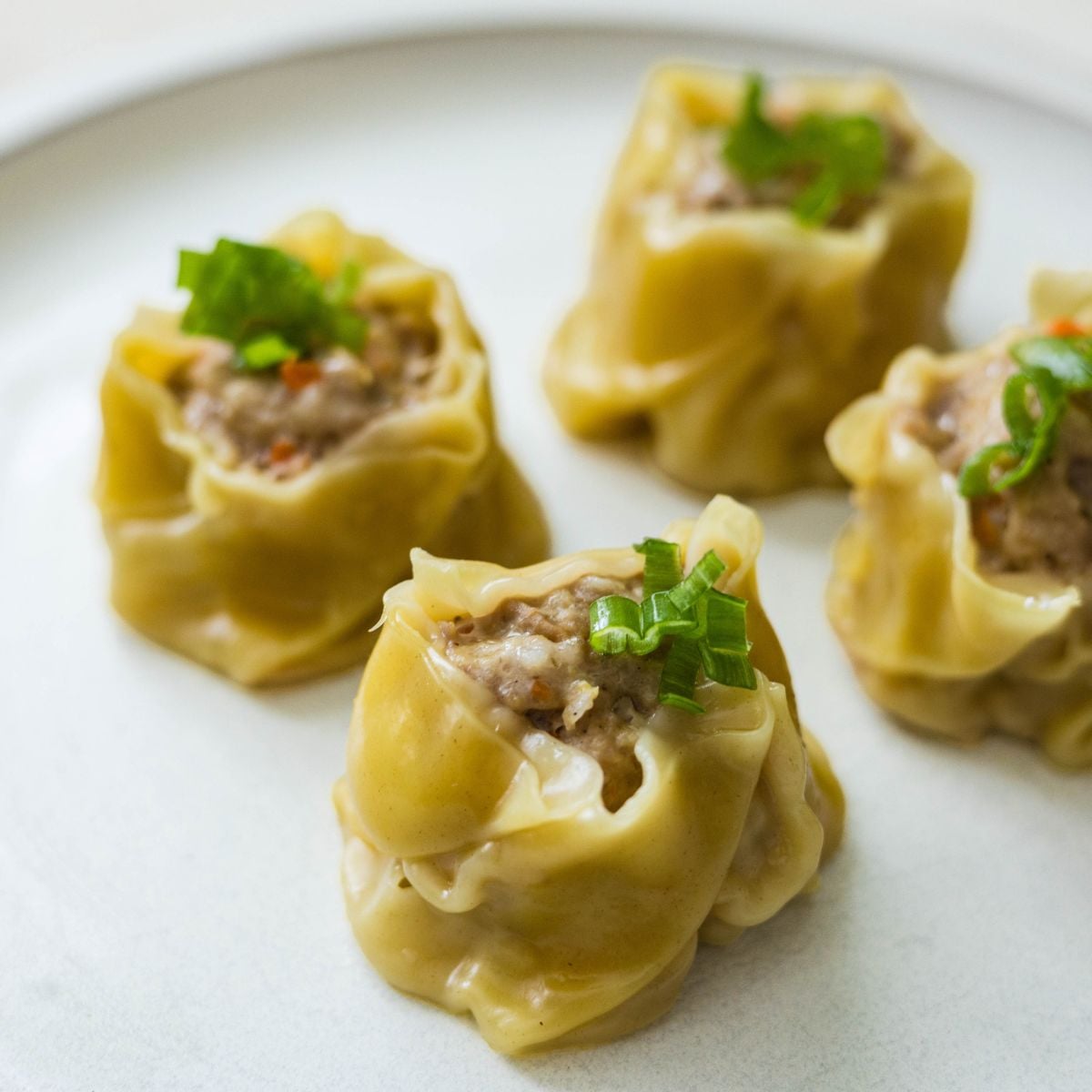
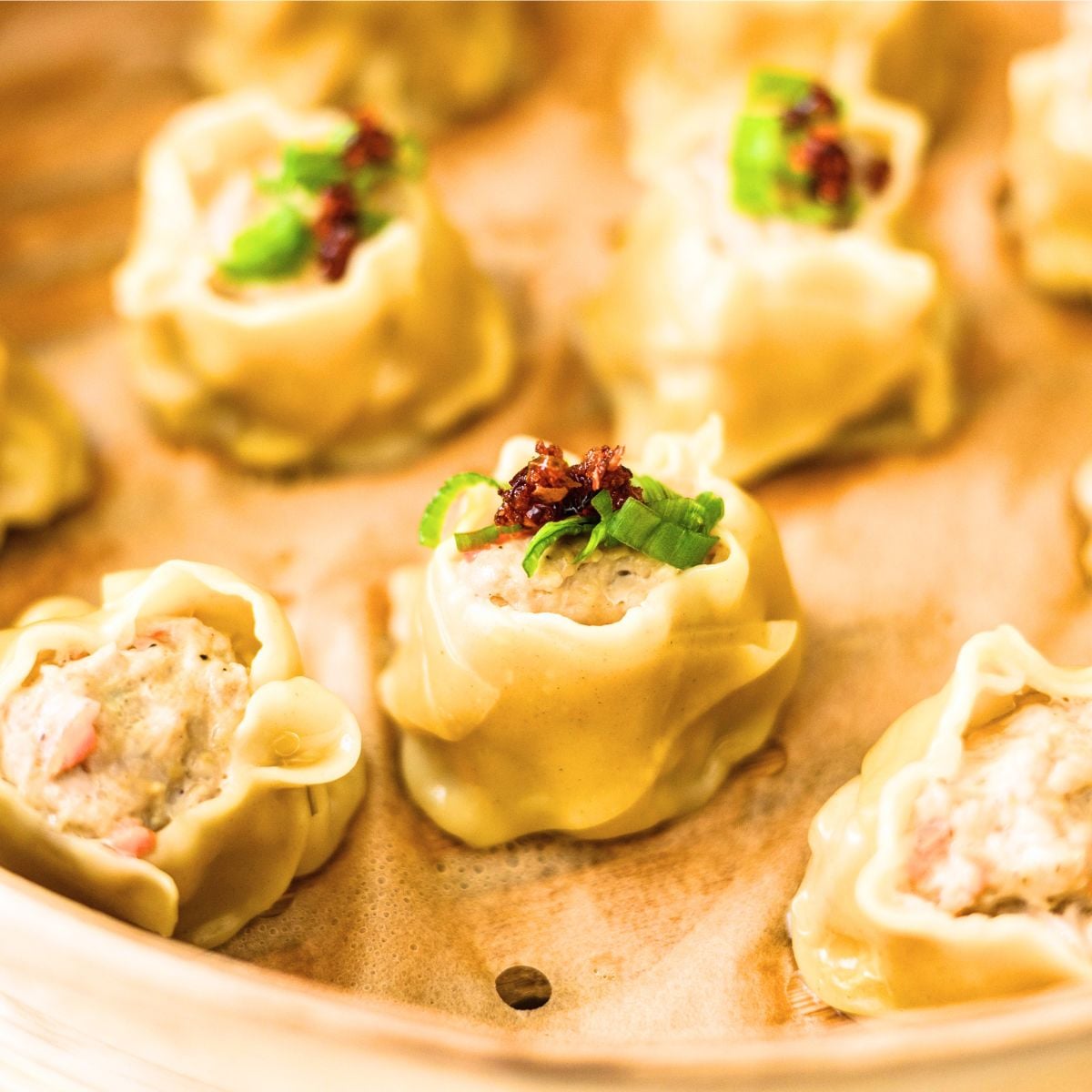
Shumai is a steamed Chinese dumpling with an open top, usually filled with pork and shrimp. It's a staple of Cantonese dim sum. The thin wrapper gathers around the filling like a small cup, leaving the filling visible on top.
You'll see the name spelled a few ways. Siu mai is closest to the Cantonese pronunciation. Shumai is the spelling most US restaurants and grocery stores use, and it's also the name in Japan. In the Philippines, it's siomai.
Siomai reached the Philippines through Chinese Filipino communities and became everyday food. You'll find it at food stalls and mall counters, often served over rice and eaten with soy sauce, calamansi, and chili garlic oil.
My version keeps a dim sum style filling with shiitake, ginger, and oyster sauce, then goes on the table the Filipino way, with rice and a calamansi dipping sauce.
Ingredients You'll Need
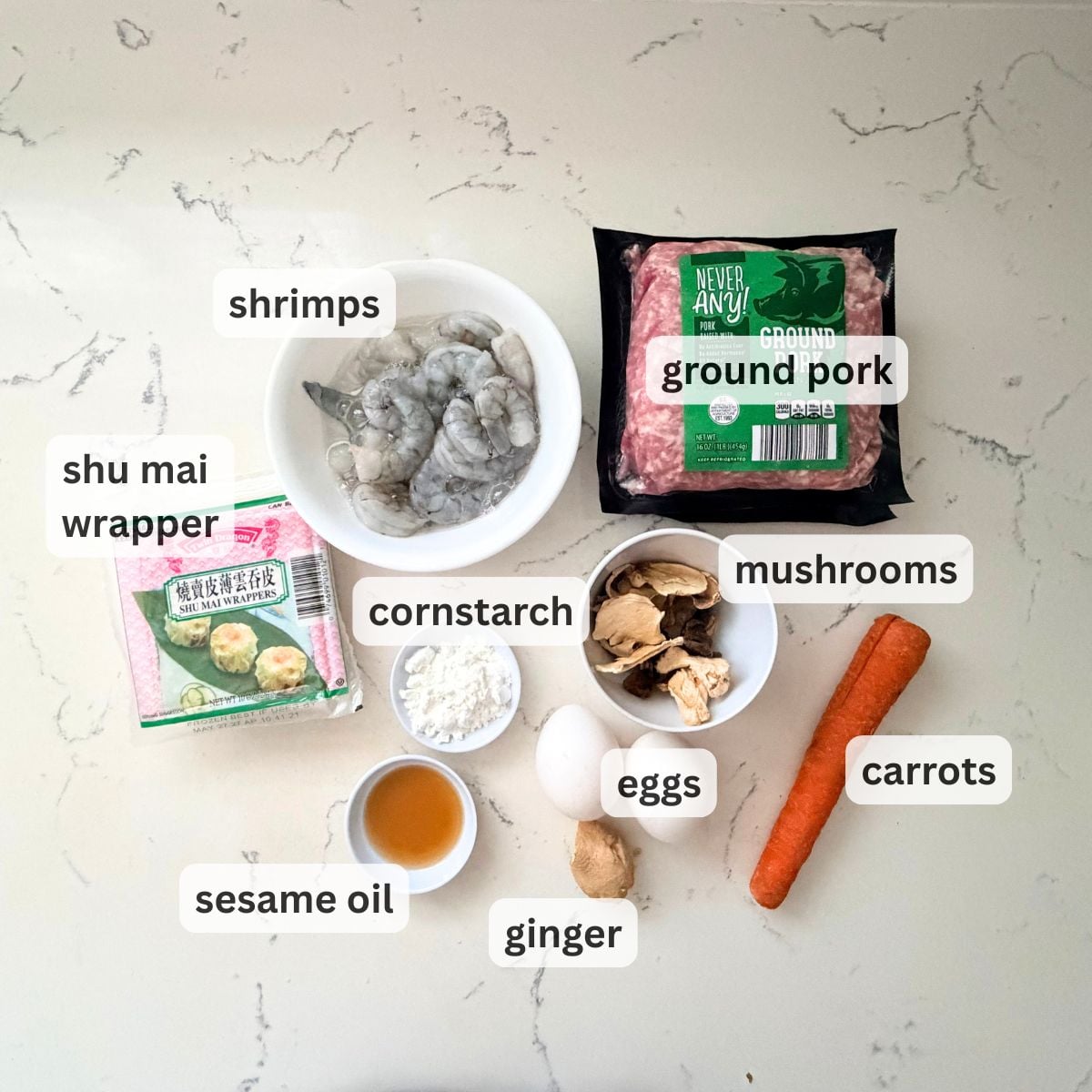
- Ground pork: Pork is the base of the filling, and its fat is what keeps each dumpling juicy as it steams. I use 80/20, but if you can find ground pork with even more fat, grab it. The extra fat makes the filling juicier. Lean pork tends to steam up dry and crumbly.
- Shrimp: Shrimp adds sweetness and a springy bite. The recipe uses twice as much pork as shrimp, so the shrimp comes through without taking over. Peel and devein them, then pat them dry. Wet shrimp makes the filling loose and harder to fold.
- Dried shiitake mushrooms: I use dried shiitake instead of fresh because drying concentrates their earthy flavor, and that depth makes the filling taste like dim sum rather than a plain meatball. Soak them until fully soft, squeeze out the excess water, trim off the tough stems, and chop them finely so they blend into the filling. Mushrooms that aren't fully soaked stay chewy in the finished dumpling.
- Ginger: Fresh ginger cuts through the richness of the pork and keeps the shrimp tasting clean. Grate or mince it finely, since a large piece of ginger is an unpleasant surprise in a small dumpling.
- Carrots: Carrots go into the filling for a little sweetness and bright orange flecks in every bite. Chop them finely so they soften during steaming and don't poke through the wrapper.
- Oyster sauce: This is where the filling gets its umami. Oyster sauce brings a rich, savory depth, with a hint of sweetness that plays well with the shrimp.
- Sesame oil: A small amount gives the filling its toasty aroma. It's strong, so measure it rather than pouring freely.
- Eggs: Eggs bind the pork and shrimp so the filling holds together inside the wrapper and doesn't crumble when you bite in.
- Cornstarch: Cornstarch holds onto the juices as the filling cooks, so they stay inside the dumpling instead of pooling in the steamer.
- Square Siomai wrappers: These thin wheat wrappers are sold at most Asian grocery stores. Square wrappers leave little corners when you fold them, and I'll show you how to handle those in the folding section below. Keep the stack covered while you work, because exposed wrappers dry out and crack.
See recipe card for quantities.
Substitutions and Additions
- Ground chicken instead of pork: Chicken works, but it's much leaner, so the filling won't be as juicy. Use ground thigh rather than breast if you can find it, since the extra fat helps.
- All pork, no shrimp: For shrimp allergies or a simpler shopping list, replace the shrimp with more ground pork. You'll lose the sweetness and springy bite, but the filling still holds together well.
- Fresh shiitake instead of dried: Fresh shiitake is easier since there's no soaking, but the flavor is milder. Chop them finely and squeeze out any extra moisture so the filling doesn't turn watery.
- Round wrappers instead of square: Round siomai or dumpling wrappers fold into a neater cup with no corners to tuck. Use the same folding method.
- Singkamas (jicama) or water chestnuts: Finely chopped, either one adds a light crunch that contrasts with the soft filling. Squeeze out excess liquid first so the filling doesn't get wet.
- Green onions: Thinly sliced green onions add a fresh, mild onion flavor to the filling.
- Garlic: A little minced garlic gives the filling a sharper, more savory edge. It pairs well with the ginger.
- Toppings: A pinch of finely chopped carrot, a green pea, or a dot of fish roe on top of each dumpling is purely cosmetic. It makes them look like the ones at dim sum restaurants but doesn't change the taste.
How to Fold Siomai
Siomai are among the easiest dumplings to shape because the top stays open. You don't have to pleat or seal anything. A cookie scoop makes the job faster and keeps every dumpling the same size, so they all cook in the same time.
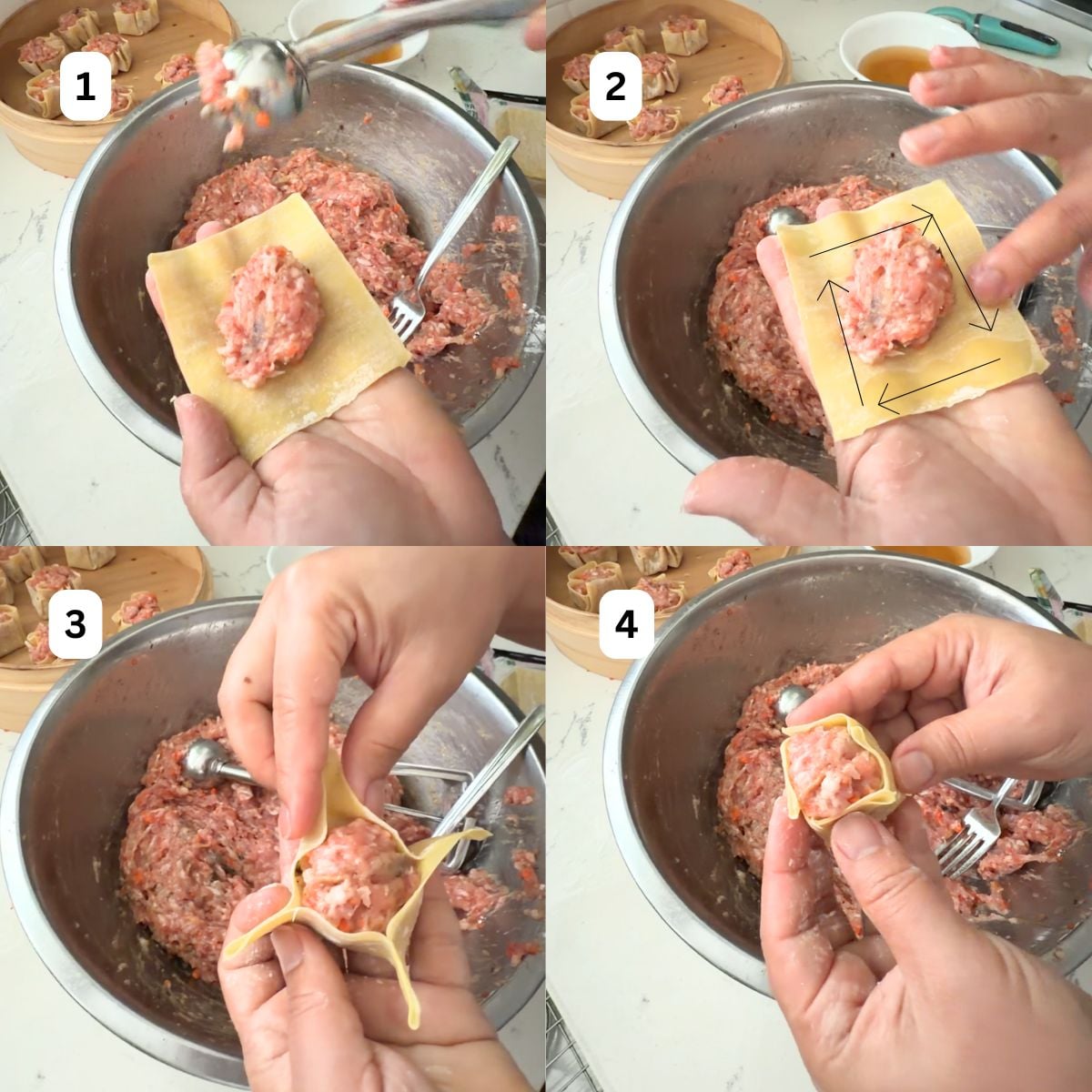
- Scoop the filling. Lay a square wrapper flat in your palm. Use a cookie scoop to drop a portion of filling in the center. Using the same scoop each time means no dumpling ends up undercooked in the middle while the others are done.
- Push the sides in. Working around the square, press the edges of the wrapper inward toward the filling. This starts gathering the wrapper so it's ready to wrap around the sides.
- Fold the corners forward. Press each corner of the wrapper and fold it forward toward the filling, working your way around the square. The wrapper will start gathering up the sides of the filling, with the folded corners sitting against the outside.
- Squeeze into a cup. Cup the dumpling between your thumb and fingers and squeeze gently all the way around. The wrapper should hug the filling, with the top left open. This snug fit keeps the wrapper and filling together while they steam.
How to Make Pork and Shrimp Shumai
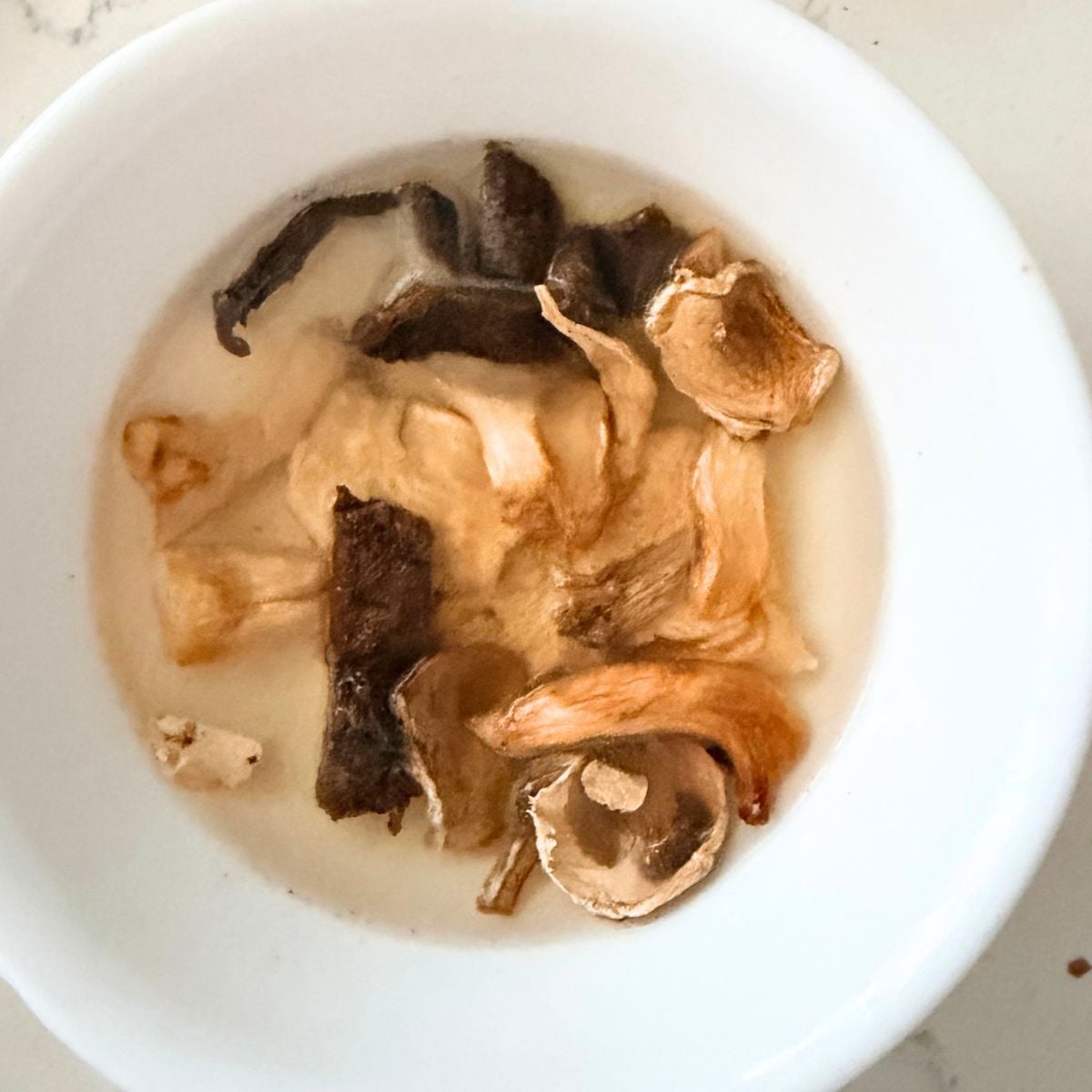
- Soak the shiitake. Soak the dried shiitake in hot water for 5-10 minutes until fully soft. Squeeze out the excess water, trim off the stems, and chop the caps finely. Mushrooms that aren't fully soaked stay chewy in the finished dumpling.
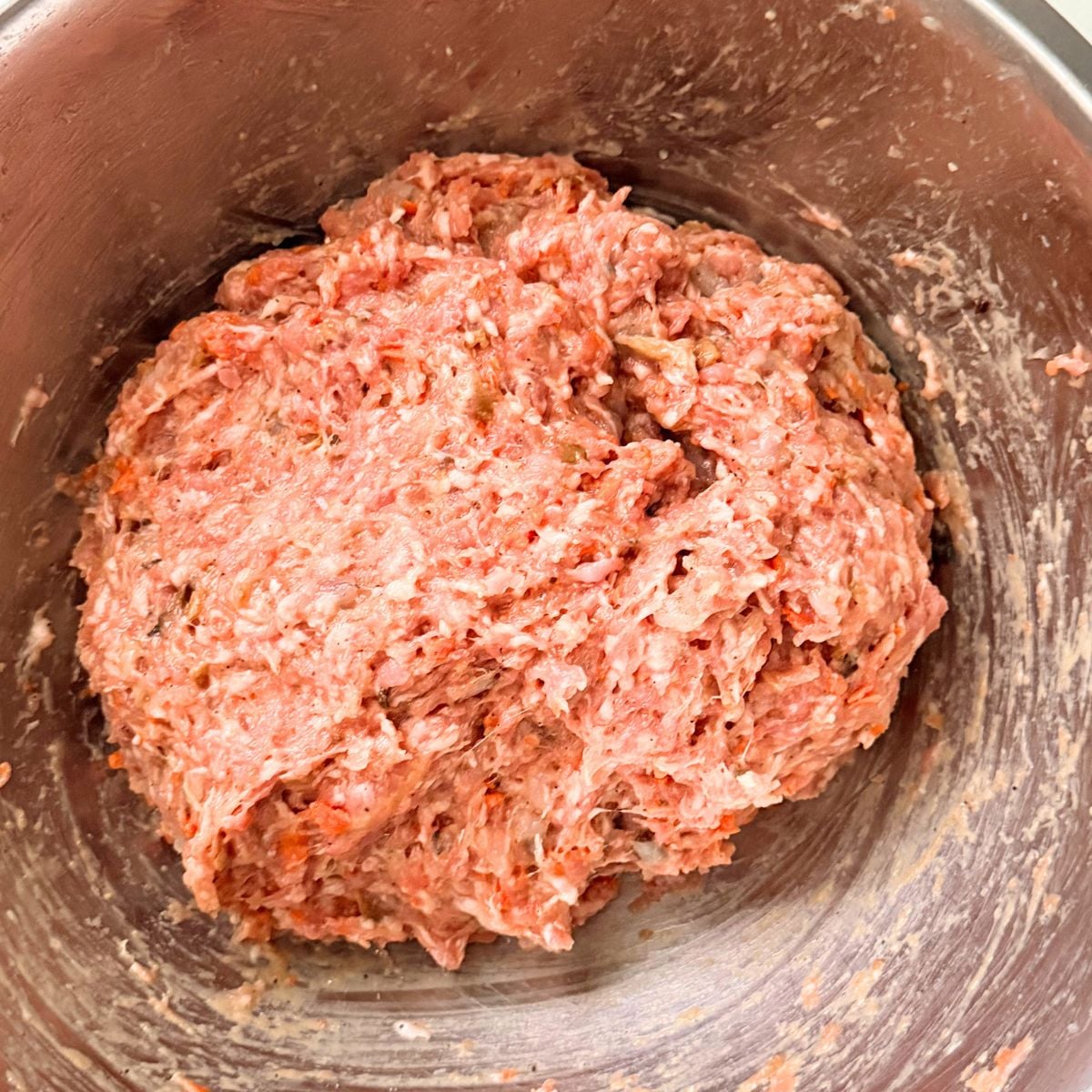
- Make the filling. Peel, devein, and pat the shrimp dry, then chop them. Finely chop the carrots and grate the ginger. In a large bowl, combine the pork, shrimp, shiitake, carrots, ginger, oyster sauce, sesame oil, eggs, and cornstarch, and mix until evenly combined and sticky. Dry shrimp and a well-mixed, sticky filling hold together inside the wrapper, so the dumplings don't crumble when you bite in.
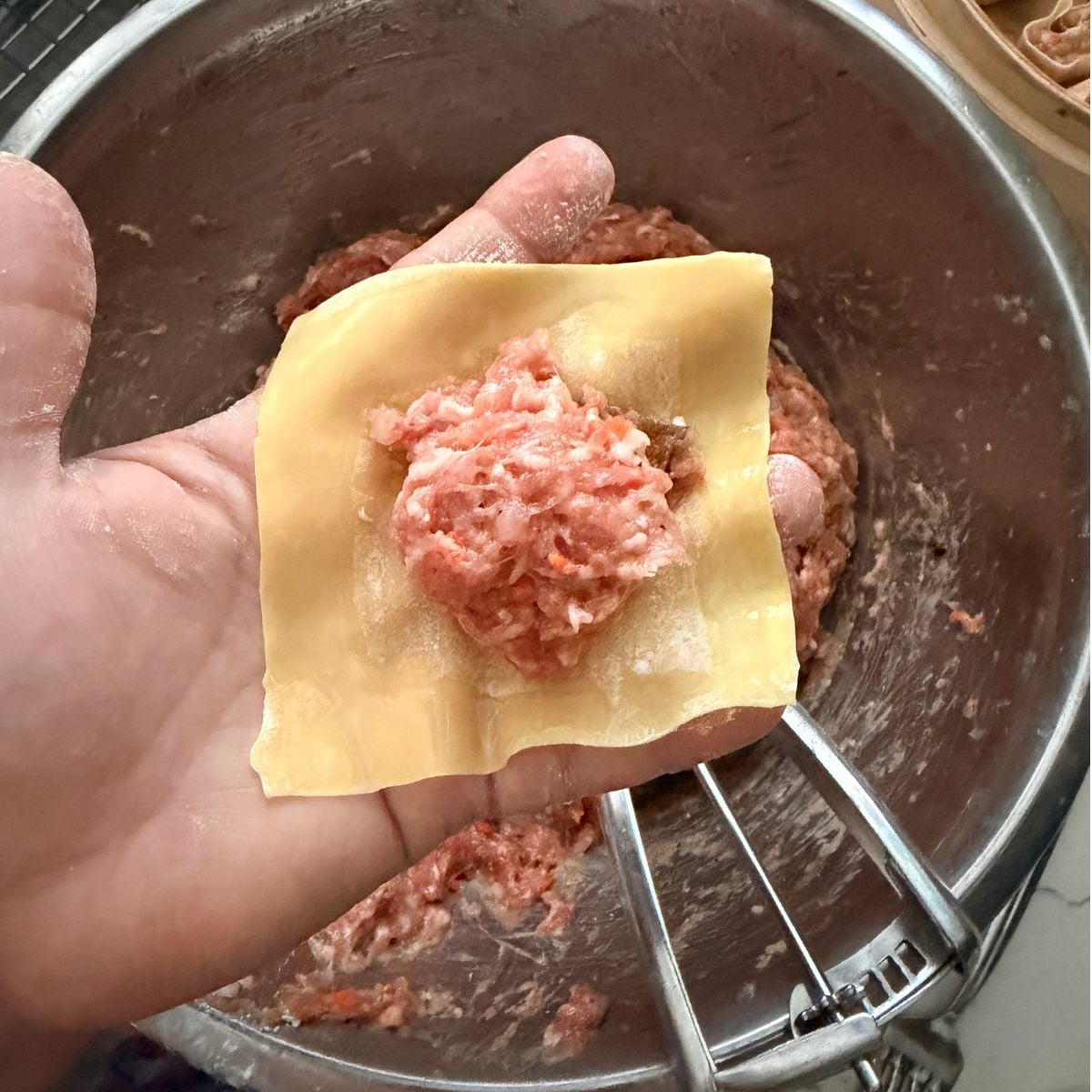
- Fold the siomai. Use a #40 cookie scoop (about 1-1 ½ tablespoon) to portion the filling onto the square wrappers, then fold each one following the steps above. Keep the unused wrappers covered so they don't dry out.
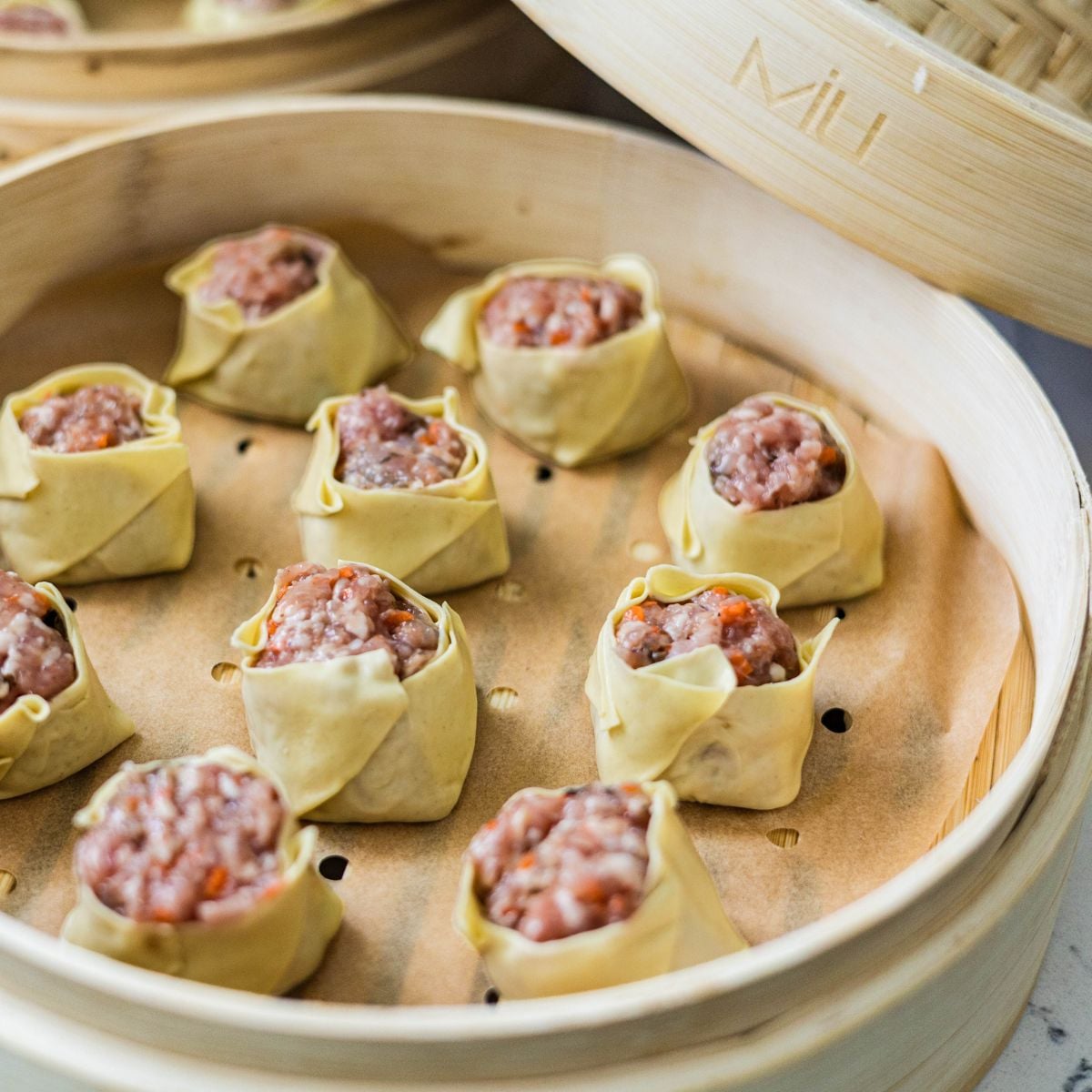
- Set up the steamer. Bring the water in your steamer to a boil. Line the basket with a parhcment liner so the dumplings don't stick. Arrange the siomai with a little space between each one so the steam can circulate.
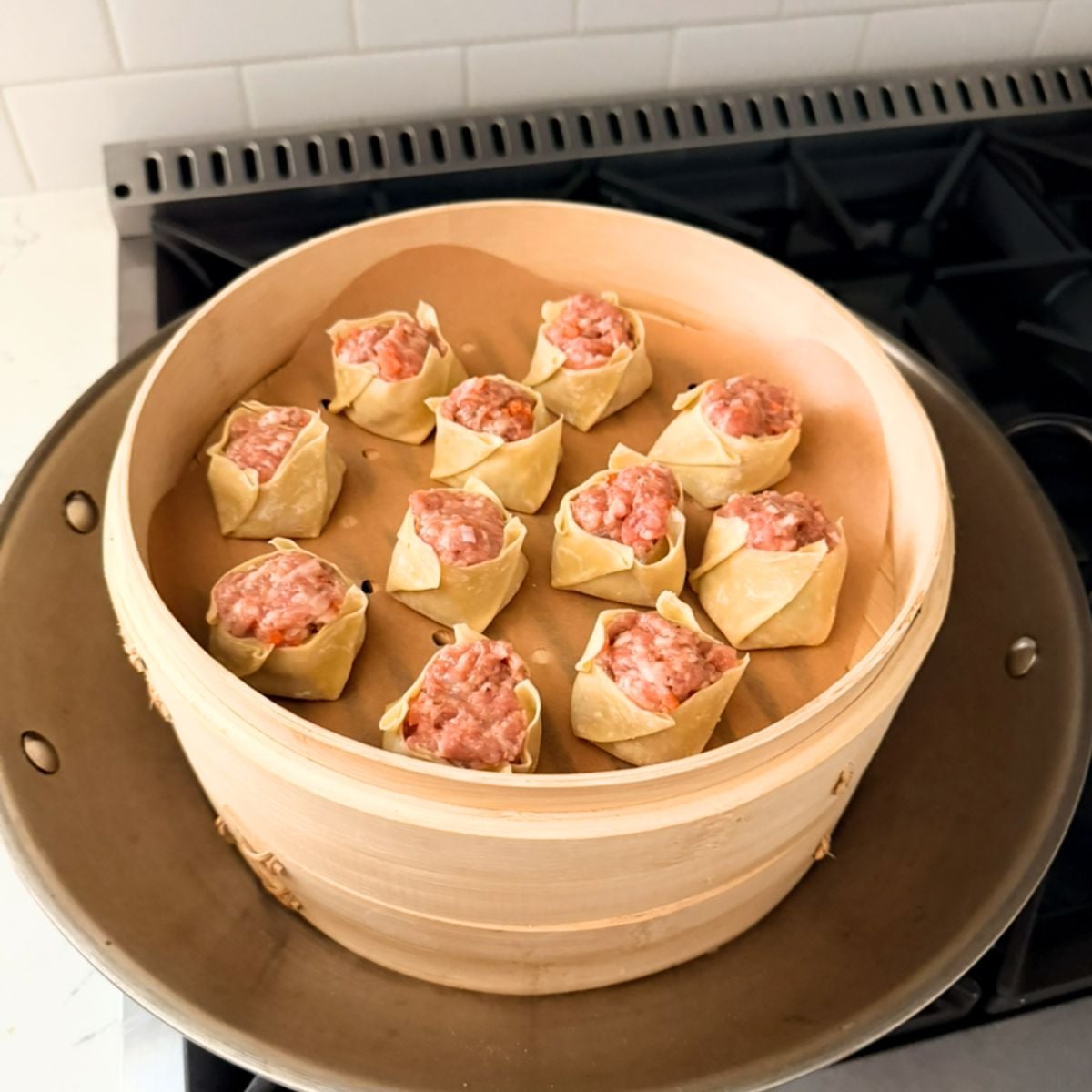
- Steam. Cover and steam each batch for 15-18 minutes, until the filling is cooked through. USDA guidance for ground pork is an internal temperature of 160°F, so check one with an instant-read thermometer if you're unsure.
- Serve. Serve hot with calamansi soy sauce and chili oil.
Rose's Top Tips
- Go for fattier pork. I use 80/20 ground pork, but if your store carries a higher fat percentage, use that. Fat is what keeps the filling juicy through steaming, so the more there is, the juicier the siomai.
- Use a cookie scoop. Scooping the filling is faster than spooning it, and every dumpling comes out the same size. Same size means the same cook time, so a whole batch finishes together and none are raw in the middle.
- Freeze them raw, on a tray first. Spread the folded siomai on a tray so they aren't touching, freeze until firm, then move them to a freezer bag. Freezing them separately first keeps them from sticking together, so you can grab just what you need.
- Make a double batch. The mixing, folding, and cleanup are the same effort whether you make 44 or 88. If you have the freezer space, doubling gets you twice the ready-to-steam dinners for barely more work.
Make Ahead and Freezing
This recipe makes 44 siomai, and I always freeze half. With a stash in the freezer, a homemade dim sum dinner is ready whenever you need it.
To make ahead: Fold the siomai, arrange them on a tray, cover tightly, and refrigerate for up to 1 day before steaming. For longer storage, freeze them instead.
To freeze: Freeze the siomai raw, right after folding. Spread them on a lined tray so they aren't touching, and freeze until firm. Then move them to a freezer bag, press out as much air as you can, and label it with the date. Freezing them separately first keeps them from sticking together, so you can take out just the number you need. They keep for a month in the freezer.
To cook from frozen: Don't thaw them. Put the frozen siomai straight into the steamer and steam for 20 minutes, until the filling is cooked through and reaches 160°F. Thawing makes the wrappers soggy and hard to move without tearing.
What to Serve With Siomai
Calamansi soy sauce with chili oil. This is my go-to dipping sauce. Mix soy sauce with fresh calamansi juice, then spoon in as much chili oil as you like. The soy sauce brings salt, the calamansi adds a bright, sour note that cuts through the rich pork, and the chili oil adds heat. I use my homemade chili oil, but store-bought works too.
If you can't find calamansi, a mix of lime and a little orange juice gets you close to its sweet-tart flavor.
Rice or garlic rice. My kids eat siomai plain, but I like mine over a bowl of hot rice with the dipping sauce spooned on top. For even more flavor, serve them with garlic rice. The toasted garlic goes well with the calamansi soy sauce and turns a snack into a full meal.
Pancit. Siomai and pancit make an easy Filipino spread for a party or a weekend lunch. The noodles fill out the table, and the dumplings are easy to grab as you go.
Storage
Refrigerator: Let leftover steamed siomai cool, then store them in an airtight container in the fridge for 3-4 days.
Reheating: Steam them for 10 minutes, until heated through. Steaming keeps the wrappers soft. The microwave works in a pinch if you cover the siomai with a damp paper towel so the wrappers don't dry out and turn tough.
Freezer: I freeze my siomai raw rather than cooked. The make-ahead and freezing section above covers how to freeze them and steam them straight from frozen.
Recipe FAQs
Yes. Square wonton wrappers are thin wheat wrappers, like the siomai wrappers I use, so they fold the same way. Look for the thinnest ones you can find. Thick wrappers stay doughy at the top after steaming.
Yes. Thaw the shrimp completely, then pat them very dry before chopping. Frozen shrimp holds extra water, and that water makes the filling loose and harder to fold.
The filling turns firm and opaque, and the shrimp pieces turn pink. For certainty, check one with an instant-read thermometer. USDA guidance for ground pork is 160°F.
The usual cause is lean pork or overcooking. Use ground pork with at least 20% fat, and don't steam them longer than they need. The cornstarch in the filling also helps hold the juices inside.
The filling probably wasn't mixed enough, or the shrimp went in wet. Mix until the filling turns sticky, and pat the shrimp dry first. The eggs and cornstarch bind everything, so don't skip them.
Yes. Set a heatproof plate on a rack inside a large pot with an inch or two of simmering water, line the plate, and cover the pot with a lid. Keep the water from touching the plate.
More Filipino Recipes
Looking for other recipes like this? Try these:
- Chicken Lumpiang Shanghai: Crispy Filipino spring rolls that fry up fast. Put them next to a plate of siomai and you have the two things that go first at any Filipino party.
- Filipino Chicken Adobo: Soy and vinegar braised chicken, the dish most people start with in Filipino cooking. Make it on a night you're steaming siomai from the freezer.
- Ginisang Sayote: A quick sauteed chayote side that lightens up a plate of dumplings and rice.
- Ube Turon: Saba bananas and ube wrapped and fried until the sugar sets into a crisp shell. Dessert once the siomai are gone.

Did you try this recipe?
Share how it turned out in the comment box below, and if you loved it, share it on Facebook, Pinterest & Instagram.
Thank you!


Pork and Shrimp Shumai (Siomai)
Equipment
- Steamer
- #40 cookie scoop
Ingredients
- 2 pounds ground pork 80/20 or higher fat
- 1 pound raw shrimp peeled, deveined, and finely chopped
- 6 to 8 dried shiitake mushrooms soaked in 1 cup hot water until soft and finely chopped
- 1 medium carrot finely grated or minced
- 1 thumb-size piece ginger finely grated
- 2 eggs
- 2 tablespoons oyster sauce
- 1 tablespoon sesame oil
- 1 tablespoon cornstarch
- 1 ½ teaspoons salt or to taste
- ½ teaspoon ground black pepper
- 40 to 50 square shumai or siomai wrappers
Instructions
- Soak the dried shiitake in hot water for 5-10 minutes, until fully soft. Squeeze out the excess water, trim the stems, and finely chop the caps.6 to 8 dried shiitake mushrooms
- In a large bowl, combine the pork, shrimp, shiitake, carrot, ginger, eggs, oyster sauce, sesame oil, cornstarch, salt, and pepper. Mix until evenly combined and sticky.2 pounds ground pork, 1 pound raw shrimp, 6 to 8 dried shiitake mushrooms, 1 medium carrot, 1 thumb-size piece ginger, 2 eggs, 2 tablespoons oyster sauce, 1 tablespoon sesame oil, 1 tablespoon cornstarch, 1 ½ teaspoons salt, ½ teaspoon ground black pepper
- Lay a wrapper flat in your palm and scoop the filling into the center. Press the edges of the wrapper inward, fold each corner forward toward the filling, then cup the dumpling in your hand and squeeze gently so the wrapper hugs the filling, leaving the top open. Repeat with the remaining wrappers, keeping the unused ones covered.40 to 50 square shumai or siomai wrappers
- Bring the water in your steamer to a boil and line the basket with a liner. Arrange the siomai with space between each one.
- Steam each batch for 15-18 minutes, until cooked through. Ground pork should reach an internal temperature of 160°F.
- Serve hot with soy sauce, calamansi, and chili garlic oil.
Save This Recipe 💌
Notes
- To freeze: Freeze the folded siomai raw on a lined tray until firm, then transfer to a freezer bag. Steam from frozen, without thawing, for 20-25 minutes.
- Storage: Refrigerate cooked leftovers in an airtight container for up to 3-4 days. Reheat by steaming until heated through.
- Wrappers: Use the thinnest square wrappers you can find. Thick ones stay doughy at the top.