

Gochujang is a pantry staple in our house. Ever since my family got hooked on tteokbokki, there's always a jar in the fridge, and it was only a matter of time before it ended up in shakshuka too.
This gochujang shakshuka takes the classic and gives it a Korean pantry upgrade: eggs poached in a tomato sauce built around gochujang instead of the usual paprika and cumin. If you love the sweet-spicy comfort of tteokbokki and the savory pull of mayak eggs, this is going to make sense to you immediately.
It works for dinner any night of the week, and holds up just as well as a warm, satisfying breakfast. If you love egg shakshuka with real heat, this one delivers.

Save This Recipe 💌
Jump to:
Why You'll Love This Recipe
- Real Korean flavor behind the heat, not just spice for spice's sake
- Nothing hard to find, just an easy shakshuka you can actually make tonight
- Works whether you're craving it for breakfast, lunch, or dinner
- One pan, minimal cleanup
- Built on pantry staples like canned tomatoes and gochujang, nothing to special-order
- Adjust the heat and add-ins however you want
What is Shakshuka?
Shakshuka (pronounced shahk-SHOO-kah) is a North African and Middle Eastern dish made with eggs poached in a spiced tomato sauce.
It originated in North Africa, particularly Tunisia, and later became popular across the Middle East, especially in Israel. This version isn't traditional, but it keeps the heart of the classic dish and adds gochujang for extra heat and depth.
Ingredients

- Olive Oil: For sautéing the vegetables and aromatics.
- Aromatics: Garlic and onion provide the base flavor for the sauce.
- Fresh or Canned Diced Tomatoes: The heart of the shakshuka sauce.
- Gochujang Red Chili Pepper Paste: Adds depth and heat to the dish.
- Green Bell Pepper: Adds a mild sweetness and texture to the sauce.
- Spices: Paprika, cumin, and chili powder for added warmth and flavor.
- Eggs: Poached to perfection in the savory sauce.
- Garnish: Cilantro or parsley to brighten the dish and add freshness.
See recipe card for quantities.
Substitution and Addition
- Tomatoes: Crushed tomatoes or tomato sauce work well in place of diced.
- Bell peppers: Red or yellow for a sweeter flavor than green.
- Extra heat: Cayenne pepper or fresh chiles, add a little at a time.
- Protein: Sausage or chorizo, browned before you start the sauce.
- Veggies: Spinach, zucchini, mushrooms, or eggplant all work stirred in.
Gochujang Substitutes (If You’re Out)
No gochujang in the fridge? It happens. Gochujang has a unique fermented, sweet-heat flavor that's hard to fully replace, but these swaps will still get you a good shakshuka.
Best gochujang substitutes for shakshuka:
- Sambal oelek + honey or sugar: Closest heat level. Add 1-2 teaspoons sweetener.
- Sriracha + miso paste: Heat plus savory depth. Use a 2:1 ratio, more sriracha than miso.
- Chili garlic sauce: Slightly sharper, still works well in tomato sauce.
- Red pepper paste (Turkish or Mediterranean): Milder, add extra chili powder if you want more kick.
- Tomato paste + chili powder + soy sauce: Not traditional, but effective in a pinch.
How to Make Gochujang Shakshuka

- Heat olive oil in a large skillet over medium heat. Add chopped onion and garlic and cook until the onion turns translucent.

- Add the diced tomatoes and stir to combine.

- Stir in the gochujang and spices. Simmer for 10-15 minutes, stirring occasionally, until the sauce thickens slightly.

- Add the green bell pepper and cook for about 3 minutes more.
- Make small wells in the sauce and crack an egg into each one. Season the eggs lightly with salt and pepper.
- Cover the skillet and cook on medium-low heat for 8-10 minutes, or until the eggs are done to your liking (slightly runny yolks are traditional).
- Remove from heat and garnish with chopped cilantro or parsley.

Shakshuka Variations
- Vegetable shakshuka: Stir in spinach, zucchini, mushrooms, or eggplant.
- Cheesy shakshuka: Crumble feta or goat cheese on top, or grate in some Parmesan.
- Spicier shakshuka: Add fresh chiles or a pinch of cayenne.
- Meaty shakshuka: Brown sausage, chorizo, or ground beef before you start the sauce.
- Vegan shakshuka: Swap the eggs for chickpeas or cubed tofu.
What to Serve with Shakshuka
- Crusty Bread: For scooping up the sauce.
- Korean Garlic Bread: Keeps the Korean flavors going.
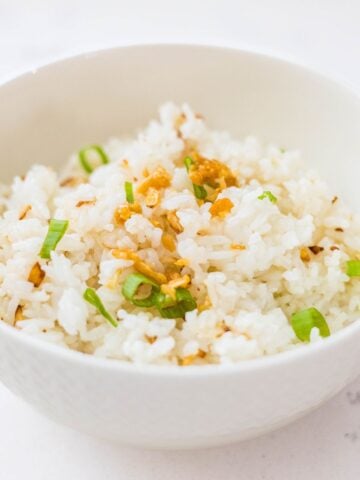
- Steamed Rice or Quinoa: Turns it into a heartier meal.
- Pita, Homemade Naan, or Flatbread: Same job as the bread, softer texture.
- Fresh Salad or Roasted Vegetables: Adds some crunch or greens on the side.
Rose's Top Tips
- Let the sauce thicken before adding the eggs. A thin sauce won't hold the eggs in place, they'll spread out instead of staying in neat wells.
- Make real wells, not just dents. Push the spoon down until you hit the bottom of the pan, or the eggs will slide around as they cook.
- Keep the lid on while the eggs cook. It traps steam so the whites set evenly without you having to flip or baste anything.
- Start with less gochujang than you think you need. You can always stir in more, but you can't take heat back out once it's in.
Recipe FAQs
Shakshuka originates from North Africa and is widely popular in the Middle East.
Shakshuka is often eaten with bread, pita, or rice to soak up the sauce.
Shakshuka sauce is typically made with tomatoes, peppers, onions, garlic, and spices.
Gochujang is used to add spice and umami to dishes like stir-fries, marinades, or sauces.
Yes, gochujang is best used as a cooking ingredient rather than eaten raw due to its intense flavor.


Did you try this recipe?
Share how it turned out in the comment box below, and if you loved it, share it on Facebook, Pinterest & Instagram.
Thank you!


Gochujang Shakshuka
Equipment
- 1 heavy bottom pan
Ingredients
- 3 tablespoon olive oil
- 2 cloves garlic, minced
- ¼ cup onion, chopped
- 1 can diced or crushed tomatoes 15 oz
- 2 teaspoon gochujang chili paste add more to your liking
- ¼ teaspoon paprika
- ¼ teaspoon cumin
- ¼ teaspoon chili powder
- ½ cup green bell pepper
- 3 whole eggs
- salt and pepper
- green parsley or cilantro
Instructions
- Heat olive oil in a large skillet over medium heat. Add minced garlic and chopped onions and cook until translucent.3 tablespoon olive oil, 2 cloves garlic, minced, ¼ cup onion, chopped
- Add crushed tomatoes, gochujang chili paste, paprika, cumin, chili powder, salt, and pepper. Stir well to combine.1 can diced or crushed tomatoes, 2 teaspoon gochujang chili paste, ¼ teaspoon paprika, ¼ teaspoon cumin, ¼ teaspoon chili powder, salt and pepper
- Simmer the sauce for 10-15 minutes, stirring occasionally, until it thickens slightly. Add bell peppers.½ cup green bell pepper
- Create small wells in the sauce and crack the eggs into each well. Season the eggs lightly with salt and pepper.3 whole eggs
- Cover the skillet and cook on medium-low heat for 5-7 minutes, or until the eggs are cooked to your liking (slightly runny yolks are traditional).
- Remove from heat and garnish with chopped cilantro or parsley.green parsley or cilantro
- Serve hot with crusty bread or steamed rice.
Save This Recipe 💌
Notes
- Simmer the sauce until it thickens slightly before adding the eggs.
- Use a spoon to create wells in the sauce to keep the eggs intact while cooking.
- Cover the skillet to help the eggs cook evenly without overcooking the yolks.
- Adjust the heat to your liking by increasing or decreasing the amount of gochujang.
Valerie says
How much paste am i supposed to add????
Rose Sioson says
Hi Valerie!! I'd start with 2 teaspoons but you can add more to your liking.