If you’ve made black bottom cupcakes before, this recipe will feel familiar. Matcha batter goes into the liners, the sweetened cream cheese goes on top, and they bake together, so there’s no frosting step afterward.
This version swaps the traditional cocoa base for matcha, giving the cupcakes an earthy green tea flavor with a creamy cheesecake-style center.
They take about 15 minutes to prep and 22 to 25 minutes to bake.
If you have extra matcha, try my matcha chocolate chip cookies next.

Save This Recipe 💌
Jump to:
- Why You'll Love This Recipe
- What Are Black Bottom Cupcakes?
- Choosing Matcha for Baking
- Ingredients
- How to Make Matcha Black Bottom Cupcakes
- How to Keep the Green from Turning Brown
- Rose's Top Tips
- Variations
- Want to Frost Them?
- What to Serve With Matcha Cheesecake Cupcakes
- Storage
- Recipe FAQs
- More Sweet Treats to Try
- Did you try this recipe?
- Matcha Cream Cheese Cupcakes (No Frosting Needed)
Why You'll Love This Recipe
- No frosting step. The cream cheese goes on before baking and sets into the topping, so you skip the piping bag and the wait for cupcakes to cool completely.
- No mixer for the batter. It is an oil cake, so a whisk and two bowls handle it. Only the cream cheese filling needs a hand mixer, and even that is optional if your cream cheese is soft.
- The cake base has no eggs, butter, or milk. Useful if you are short on any of them. The cream cheese topping still has dairy and egg, so these are not vegan as written.
- They freeze without falling apart. Wrap them individually and they keep for up to 3 months, which makes them worth doubling.
- One swap turns them back into classic black bottoms. Cocoa in place of the matcha, same method.
What Are Black Bottom Cupcakes?
Black bottom cupcakes are an old-fashioned filled cupcake. A dark chocolate batter goes in the liner, a spoonful of sweetened cream cheese goes on top, and both bake together.
The cream cheese does not sink or melt away. The egg in it sets, so it firms into a soft cheesecake layer sitting right in the middle of the cupcake. That is the whole appeal: the topping is built in, and nothing gets added after the oven.
This version keeps the method and changes the base. Matcha replaces the cocoa.
The swap works because matcha and cocoa play the same role here. Both are slightly bitter, and that bitterness is what keeps the sweetened cream cheese from tasting flat. A plain vanilla base would not do that.
Choosing Matcha for Baking
Matcha is sold as ceremonial or culinary grade, and the difference shows up in your cupcakes.
- Ceremonial comes from the youngest leaves and is meant for drinking. It is greener, milder, and costs several times more per gram.
- Culinary comes from later harvests. It is more astringent, which sounds like a downside but is not. It holds its flavor against sugar, flour, and 25 minutes of heat, where a mild ceremonial matcha mostly disappears.
Use culinary for these. You are paying for delicacy you will bake right out.
Two things worth knowing:
- The grades are not regulated. Any brand can print either word on the tin. Judge by color instead. Bright, almost electric green is fresh. Dull, yellowish, or olive means it has oxidized, and it will bake out brown and taste bitter no matter what the label says.
- Store it in the fridge once opened, sealed and away from light. Matcha fades fast at room temperature, and faded matcha is the most common reason homemade matcha bakes turn out brownish instead of green.
Ingredients
Matcha Cupcakes
- Matcha powder (unsweetened): Use culinary grade and check the color before you buy. Bright green bakes green. Dull or yellowish matcha bakes brown and tastes bitter. Sweetened matcha throws off the sugar balance, so it is not a substitute.
- All-purpose flour: Structure. A 1:1 gluten-free blend works, though the crumb comes out slightly denser.
- White sugar: Sweetens and keeps the crumb soft. Brown sugar works but tints the batter, which dulls the green.
- Baking powder and baking soda: Both, working together, are what lift an eggless batter. Skipping either gives you a flat, tight cupcake. Check the date on the baking powder, since old powder is the usual reason cupcakes come out short.
- Salt: Sharpens the matcha. Without it the whole cupcake tastes vague.
- Hot water: Split into two parts. A small amount blooms the matcha into a paste, the rest goes into the batter. Cold water will not dissolve matcha smoothly, so the hot portion matters.
- Oil: Keeps them moist for days, which butter does not. Avocado, canola, or vegetable all work. Coconut oil works too and adds a light coconut flavor. Do not swap in melted butter, since the batter is built around a liquid fat.
- Pure vanilla extract: Rounds out the matcha's edge.
- White vinegar: Reacts with the baking soda to help this eggless cupcake batter rise and stay light. Use plain white vinegar; you won’t taste it once the cupcakes are baked.
Cream Cheese Topping
- Cream cheese: Full-fat block, softened to room temperature. Tub-style spread has too much water and will run instead of setting. Cold cream cheese leaves lumps you cannot mix out later.
- White sugar: Sweetens the topping and balances the tang.
- Egg: This is what sets the topping. Without it the cream cheese melts into the batter instead of firming into a layer, so it is not optional.
- Pure vanilla extract: Softens the tang of the cream cheese.
See recipe card for quantities.
How to Make Matcha Black Bottom Cupcakes
- Heat the oven. Preheat to 350°F (180°C) and line a 12-cup muffin tin with paper liners.
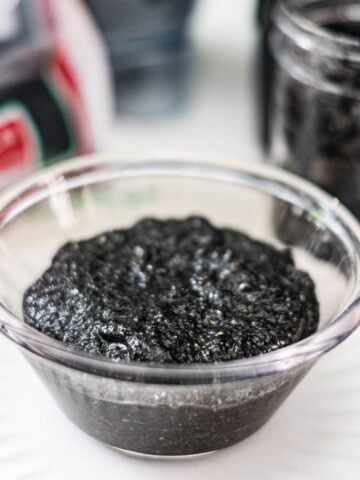
- Bloom the matcha. Whisk the matcha powder into ¼ cup of hot water until it is completely smooth with no specks floating on top. Sift the matcha first if it looks clumpy in the tin. This step is what gives you even color, so do not skip it and do not add the powder straight to the flour.
- Make the cream cheese topping. Beat the softened cream cheese on medium-low until smooth, then add the sugar, egg, and vanilla and beat until creamy. Stop as soon as it comes together. Overbeating whips air in, and that air makes the topping puff in the oven and then sink as it cools. Set it aside.
- Mix the batter. Whisk the flour, sugar, baking powder, baking soda, and salt in a large bowl. In a separate bowl, combine the remaining ¾ cup water, oil, vanilla, and the matcha paste. Make a well in the dry ingredients, pour in the wet, and stir just until you no longer see dry flour. The batter will look thin. That is correct. Stirring past this point makes them dense.
- Add the vinegar last. Pour the vinegar over the batter and stir for a few seconds, just until it disappears. You may see it bubble slightly where it hits. That is the vinegar reacting with the baking soda, and it is what gives these their rise. Keep this stir short and get the batter into the liners right away, since the lift starts fading the longer it sits.
- Fill the liners. Divide the batter evenly among the 12 cups. Add about 2 tablespoons of cream cheese topping to the center of each. A small ice cream scoop keeps them even. Drop it in the middle and leave it alone rather than spreading it, since spreading pushes it to the edges where it can leak down the liner.
- Bake for 22 to 25 minutes. They are done when the cream cheese layer looks set and no longer wobbles when you nudge the pan, and the cake around it springs back when pressed. A toothpick works only in the cake portion, not the center, since it will come out wet from the filling either way.
- Cool completely. Let them sit in the pan for 10 minutes, then move to a wire rack. The topping keeps firming as it cools, so they will seem softer straight from the oven than they end up.

How to Keep the Green from Turning Brown
Matcha loses color with heat and time. Your cupcakes bake for 22 to 25 minutes instead of the 15 to 18 a plain cupcake needs, because the cream cheese has to set, so this is worth paying attention to.
Three things make the difference:
- Start with fresh matcha. This is most of the battle. Dull, olive, or yellowish powder in the tin bakes brown no matter what you do. Bright green powder stays green.
- Do not overbake. Pull them as soon as the topping is set and the cake springs back. Every extra minute past that dulls the color and does nothing for the texture.
- Check your oven temperature. Many ovens run 25°F hot, which browns the tops before the centers set. An oven thermometer costs a few dollars and solves this permanently.
They will darken slightly from the raw batter shade no matter what. That is normal. What you are avoiding is the brown-green you get from tired matcha or an extra five minutes in the oven.
Rose's Top Tips
Stop stirring the batter the moment the dry streaks disappear.
An eggless oil batter has no egg protein holding it together, so it leans entirely on flour for structure. Every extra stir develops more gluten, and gluten is what turns a soft cupcake tough and tight. A few small lumps are fine and will bake out. An overmixed batter will not un-mix.
The batter should look thin and slightly loose when you stop. If it looks smooth and thick, you have gone too far.
Variations
- Classic Black Bottom Cupcakes: Replace the matcha with unsweetened cocoa powder and skip the blooming step, since cocoa mixes into the dry ingredients directly. Add the full 1 cup of water to the wet ingredients instead of splitting it.
- Chocolate Matcha Cupcakes: Add 1 tablespoon of cocoa to the dry ingredients. The matcha still comes through, but the color goes muddy, so expect brown-green rather than green.
- Lemon Matcha Cupcakes: Add the zest of one lemon to the dry ingredients. Zest only. Lemon juice reacts with the baking soda and throws off the rise.
- Almond Matcha Cupcakes: Swap the vanilla for almond extract in both the batter and the topping. Use half as much, since almond extract is much stronger.
- Coconut Matcha Cupcakes: Use melted coconut oil in place of the neutral oil and sprinkle shredded coconut over the cream cheese before baking.
- Mini Cupcakes: Fill mini liners about half full, add 1 teaspoon of topping, and bake for 10 to 12 minutes. Makes about 36.
Want to Frost Them?
You do not need to. The cream cheese layer is the topping, and that is the point of a black bottom cupcake.
But if you are making these for a party and want the height, a matcha cream cheese frosting works. Beat 4 ounces of softened cream cheese with 4 tablespoons of softened butter until smooth, sift in 1 ½ cups of powdered sugar and 1 teaspoon of matcha, then beat until fluffy. Pipe it around the cream cheese center rather than over it, so the baked layer still shows.
Cupcakes must be completely cool first. Any warmth and the frosting slides off.
Frosted ones need to stay refrigerated and are best within 3 days.
What to Serve With Matcha Cheesecake Cupcakes
These matcha cupcakes have a rich cream cheese center, so I like pairing them with simple drinks and desserts that complement the earthy matcha flavor.
- Green tea or coffee: Hot green tea, coffee, or an iced latte balances the sweetness of the cream cheese filling.
- Matcha ice cream: For a full matcha dessert, serve them with my Ninja Creami Matcha Ice Cream.
- Fresh berries: Strawberries, raspberries, and blueberries add a fresh, slightly tart contrast.
- Vanilla ice cream: A scoop of Ninja Creami Vanilla Ice Cream works well with the earthy matcha and creamy center.
- Fresh fruit: Mango, peaches, or oranges keep the dessert light and refreshing.
Storage
- Refrigerate: Because these cupcakes have a cream cheese filling, store them in an airtight container in the refrigerator for up to 4 days. Let them sit at room temperature for about 15–20 minutes before serving for the best texture.
- Freeze: Wrap each cupcake individually in plastic wrap, then place them in a freezer-safe bag or container. Freeze for up to 3 months. Thaw overnight in the refrigerator before serving.
- For serving: Avoid leaving the cupcakes at room temperature for extended periods because of the cream cheese filling.
Recipe FAQs
Use pure, unsweetened matcha powder for the best flavor and color. Culinary-grade matcha is a good choice for baking because it has a stronger flavor and is more affordable than ceremonial-grade matcha. Avoid sweetened matcha latte mixes since they contain added sugar and other ingredients.
Sift the matcha powder before using it, then whisk it with a small amount of hot water until smooth. Making a matcha paste before adding it to the batter helps distribute the powder evenly and prevents dry green clumps.
Matcha naturally has a slightly earthy, bitter flavor, but too much matcha can overpower the cupcakes. Measure the matcha carefully and use a good-quality powder. Overbaking can also make the flavor taste stronger and the cupcakes less tender.
Yes. You can leave out the cream cheese filling and bake the matcha cupcakes on their own. Start checking them a little earlier since cupcakes without the filling may finish baking faster.
The cupcakes should feel springy when lightly touched and the cream cheese center should look set. Insert a toothpick into the cake portion, rather than the cream cheese center. It should come out clean or with a few moist crumbs.
Yes. Because these cupcakes contain a baked cream cheese filling, store them in an airtight container in the refrigerator. They will keep well for up to 4 days. Let them sit at room temperature for about 15–20 minutes before serving for a softer texture.
Yes. Once completely cooled, wrap each cupcake individually and place them in a freezer-safe container or bag. Freeze for up to 3 months, then thaw overnight in the refrigerator before serving.
More Sweet Treats to Try
- Matcha Chocolate Chip Cookies - chewy matcha cookies loaded with chocolate chips.
- Ninja Creami Matcha Latte Ice Cream - creamy matcha ice cream made in the Ninja Creami.
- Red Velvet Brownies with Cream Cheese Frosting - rich red velvet brownies topped with cream cheese frosting.
- Cookies and Cream Cinnamon Rolls - soft cinnamon rolls with a cookies-and-cream twist.

Did you try this recipe?
Share how it turned out in the comment box below, and if you loved it, share it on Facebook, Pinterest & Instagram.
Thank you!


Matcha Cream Cheese Cupcakes (No Frosting Needed)
Equipment
- muffin pan
Ingredients
Toppings:
- 8 ounce cream cheese room temperature
- ⅓ cup white sugar
- 1 large egg room temperature
- 1 teaspoon pure vanilla extract
Matcha Green Tea Cupcake
- 1 ½ cups all-purpose flour
- 1 cup white granulated sugar
- 2 tablespoons matcha green tea powder unsweetened
- 1 teaspoon baking powder
- ½ teaspoon baking soda
- ¼ teaspoon salt
- 1 cup water (¼ cup reserved for matcha)
- ⅓ cup oil avocado, canola or vegetable oil
- 1 teaspoon pure vanilla extract
- 1 tablespoon white vinegar
Instructions
- Heat the oven. Preheat to 350°F (180°C) and line a 12-cup muffin tin with paper liners.
- Bloom the matcha. Whisk the matcha powder into ¼ cup of hot water until it is completely smooth with no specks floating on top. Sift the matcha first if it looks clumpy in the tin. This step is what gives you even color, so do not skip it and do not add the powder straight to the flour.2 tablespoons matcha green tea powder
- Make the cream cheese topping. Beat the softened cream cheese on medium-low until smooth, then add the sugar, egg, and vanilla and beat until creamy. Stop as soon as it comes together. Overbeating whips air in, and that air makes the topping puff in the oven and then sink as it cools. Set it aside.8 ounce cream cheese, 1 large egg, 1 cup white granulated sugar, 1 teaspoon pure vanilla extract
- Mix the batter. Whisk the flour, sugar, baking powder, baking soda, and salt in a large bowl. In a separate bowl, combine the remaining ¾ cup water, oil, vanilla, white vinegar, and the matcha paste. Make a well in the dry ingredients, pour in the wet ingredients, and stir just until you no longer see dry flour. The batter will look thin, and that’s normal. Avoid overmixing, since it can make the cupcakes dense.⅓ cup white sugar, 1 ½ cups all-purpose flour, 1 teaspoon baking powder, ½ teaspoon baking soda, ¼ teaspoon salt, 1 cup water, ⅓ cup oil, 1 teaspoon pure vanilla extract
- Add the vinegar last. Pour the vinegar over the batter and stir for a few seconds, just until it disappears. You may see it bubble slightly where it hits. That is the vinegar reacting with the baking soda, and it is what gives these their rise. Keep this stir short and get the batter into the liners right away, since the lift starts fading the longer it sits.1 tablespoon white vinegar
- Fill the liners. Divide the batter evenly among the 12 cups. Add about 2 tablespoons of cream cheese topping to the center of each. A small ice cream scoop keeps them even. Drop it in the middle and leave it alone rather than spreading it, since spreading pushes it to the edges where it can leak down the liner.
- Bake for 22 to 25 minutes. They are done when the cream cheese layer looks set and no longer wobbles when you nudge the pan, and the cake around it springs back when pressed. A toothpick works only in the cake portion, not the center, since it will come out wet from the filling either way.
- Cool completely. Let them sit in the pan for 10 minutes, then move to a wire rack. The topping keeps firming as it cools, so they will seem softer straight from the oven than they end up.
Save This Recipe 💌
Notes
- Use fresh culinary-grade matcha. Look for a bright green powder. Dull or yellowish matcha can taste more bitter and may bake up brown instead of green.
- Bloom the matcha first. Whisk it with the hot water until completely smooth before adding it to the batter. This helps prevent clumps and gives the cupcakes a more even green color.
- Use softened block cream cheese. Tub-style cream cheese contains more water and may not set properly. Cold cream cheese can also leave lumps in the filling.
- Do not overmix the batter. Stir only until the dry flour disappears. The batter should look thin and slightly loose; overmixing can make the cupcakes dense.
- Check doneness in the cake, not the center. The cream cheese filling will stay moist, so insert a toothpick into the matcha cake portion. The topping should look set and the cake should spring back when lightly pressed.
- Storage: Refrigerate in an airtight container for up to 4 days, or freeze individually wrapped cupcakes for up to 3 months.