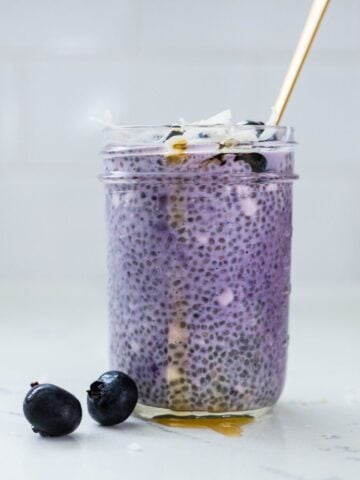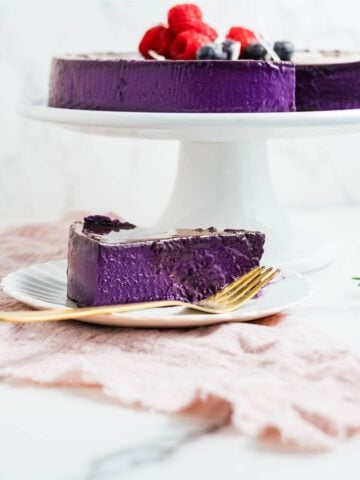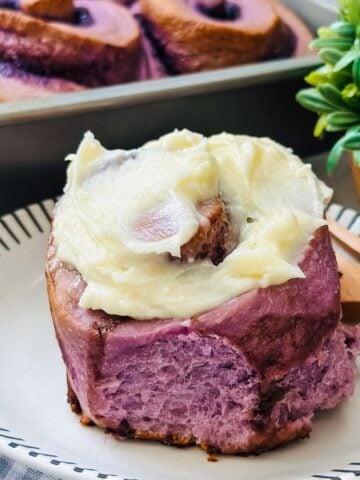
Ready to dive into the delicious world of ube with me? Embark on a sweet journey as we explore the magic of this vibrant purple yam together. Join my ube adventures for a taste of unique creations, delightful experiments, and the joy of turning ordinary moments into extraordinary culinary escapades. Let's savor the sweet side of life even if we are always on a rush– are you in?
What Is Ube?
Ube is a vibrant purple yam with a naturally sweet and nutty flavor. Commonly used in Filipino cuisine, it has gained popularity worldwide for its unique color and taste. Ube is often used to create a variety of desserts, including ice cream, cakes, pastries, and traditional Filipino sweets like "ube halaya." Its versatility and captivating hue make it a sought-after ingredient in both sweet and savory dishes.
What Is The Difference Between Ube and Taro
Ube and taro are two different root vegetables that are often confused due to their similar appearance and use in various dishes, especially desserts. Here are some key differences:
Save This Recipe 💌
- Plant Origin:
- Ube: Ube is a purple yam native to Southeast Asia. It is widely used in Filipino cuisine and is known for its vibrant purple color.
- Taro: Taro, on the other hand, is a root vegetable that comes from the taro plant, which is native to Southeast Asia and India. It has a light brown, hairy exterior.
- Color:
- Ube: Ube is distinctly purple, and its vibrant color remains even after cooking or processing.
- Taro: Taro is usually white or light purple on the inside with a beige or brownish skin. It can have purple specks or streaks but lacks the intense, uniform purple color of ube.
- Flavor:
- Ube: Ube has a sweet, nutty flavor, often compared to a combination of vanilla and pistachio.
- Taro: Taro has a mild, starchy flavor. It is less sweet than ube and is often used in both sweet and savory dishes.
- Culinary Use:
- Ube: Ube is frequently used in desserts like ice cream, cakes, and pastries. In Filipino cuisine, it is a key ingredient in dishes like halo-halo and ube halaya.
- Taro: Taro is versatile and can be used in both sweet and savory dishes. It is often used in Asian cuisine for making taro bubble tea, savory taro cakes, or taro chips.
While both ube and taro share some similarities, such as their starchy nature and use in desserts, their distinct flavors, colors, and culinary applications set them apart.
What Does Ube Taste Like?
Ube has a distinct sweet and nutty flavor, often described as a combination of vanilla and pistachio with hints of floral notes. Its taste is unique and can be slightly earthy, providing a delightful richness to dishes. The natural sweetness of ube makes it a popular choice for desserts, and its versatility allows it to complement both sweet and savory dishes. Overall, the flavor profile of ube contributes to its widespread appeal in various culinary creations.
You must use the category name, not a URL, in the category field.